

Every April 14th, I find myself drawn back to the menus.
Not the iceberg. Not the lifeboats. The menus.
Because food is how we understand people — how they lived, what they valued, and what “ordinary” looked like on the last ordinary evening of their lives. Downton Abbey fans know this instinctively. The series opens just days after the Titanic sank, with the news that two heirs to the Crawley estate were lost at sea. That single event sets the entire story in motion. But before it became a plot device, April 14, 1912, was a real evening when real people sat down to eat dinner, not knowing it would be their last.
Thanks to menus tucked into pockets by survivors, we know exactly what was served. And what strikes me most, after more than a decade of researching and cooking these dishes, is how much the food reveals about the rigid class system of the Edwardian era — the same system Downton Abbey spent six seasons unravelling.
Here are five dishes from that evening. I’ve chosen one or two from each class, because every passenger on the Titanic deserves to be remembered — not just the ones in evening dress.
1. Consommé Olga — First Class, Course One
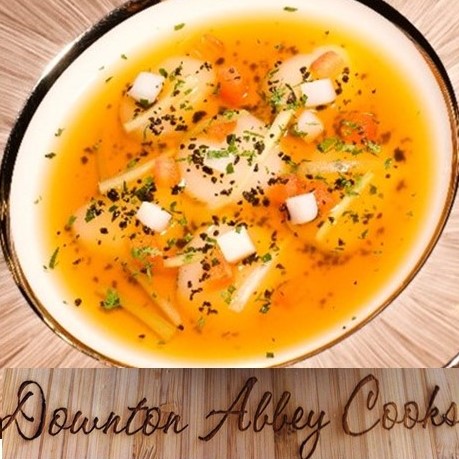
What it is: A crystal-clear beef consommé garnished with scallops, julienned celeriac, and a splash of port wine.
Why it matters: This was the very first course served to first-class passengers that evening. Consommé was the ultimate status dish in Edwardian fine dining — not because of expensive ingredients, but because of the skill and time required to clarify it. A proper consommé requires building an egg-white “raft” that slowly filters the stock into something almost jewel-like in its clarity. It was a dish that announced: we have a kitchen staff of 80, and they have nothing better to do than make your soup transparent.
For Downton fans, this is pure Mrs. Patmore territory — the kind of dish that separates a cook from a chef.
Difficulty: Intermediate — the clarification process requires patience, not complexity.
👉 Get the full Consommé Olga recipe
2. Asparagus Salad with Champagne-Saffron Vinaigrette — First Class, Course Eight

What it is: Fresh asparagus dressed in a vinaigrette made with champagne vinegar and saffron threads.
Why it matters: This was the eighth of ten courses. Eight. The fact that a salad appeared this late in the meal tells you everything about Edwardian dining conventions — following the classic Escoffier structure, salad came after the roast, not before. It was a palate cleanser, not a starter.
But here’s the detail that always gets me: asparagus in mid-April, in 1912, on a ship in the middle of the Atlantic. This was a hothouse vegetable, grown in glass greenhouses, likely loaded at Cherbourg or Queenstown. The sheer logistics of serving fresh asparagus at sea in April is a quiet testament to the ambition — and the hubris — of the entire Titanic enterprise.
This is also one of the easiest Titanic dishes to make at home, especially right now when asparagus is coming into season.
Difficulty: Easy — 3 minutes of cooking, plus the vinaigrette.
👉 Get the full Asparagus Salad recipe
3. Baked Haddock with Sharp Sauce — Second Class 
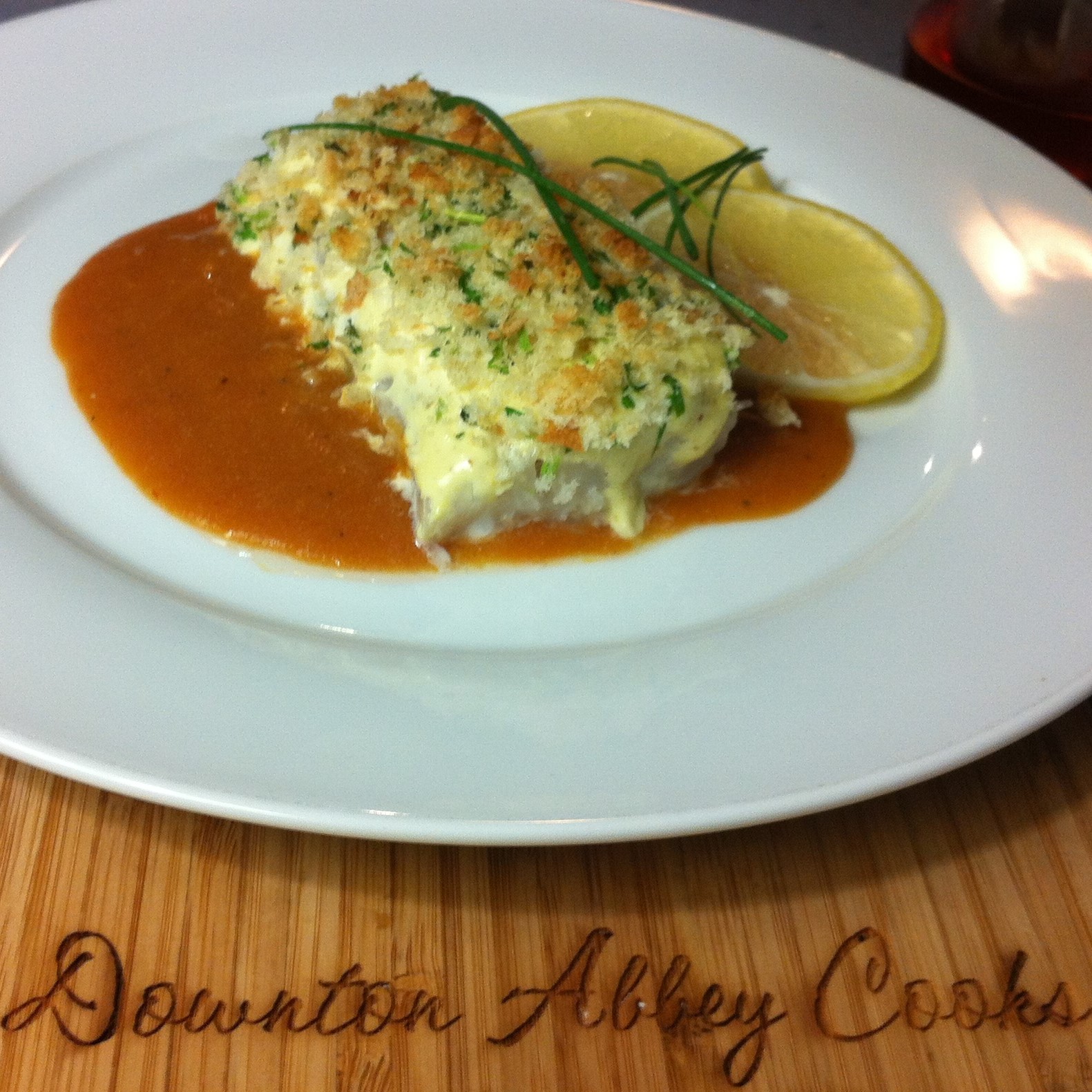
What it is: Simply baked haddock fillets served with a tangy, mustardy brown sauce.
Why it matters: Second class on the Titanic is the forgotten middle. Everyone romanticizes first class or feels sympathy for steerage, but second-class passengers — teachers, clergy, small business owners — tend to disappear from the narrative. Their menu, though, was genuinely impressive. Multiple courses, quality ingredients, skilled preparation. It would rival first-class service on many ships of the era.
This haddock dish is a perfect example: unpretentious, well-executed, satisfying. The “sharp sauce” — a vinegar-and-mustard-based reduction with Worcestershire and a hit of hot pepper — is the kind of thing Mrs. Patmore would have made for the servants’ hall at Downton, and it would have been the best thing on the plate.
If you’re hosting a Titanic dinner but find a ten-course first-class menu intimidating, the second-class menu is your best friend.
Difficulty: Easy — about 30 minutes start to finish.
👉 Get the full Baked Haddock with Sharp Sauce recipe
4. Cabin Biscuits — Third Class (Steerage)
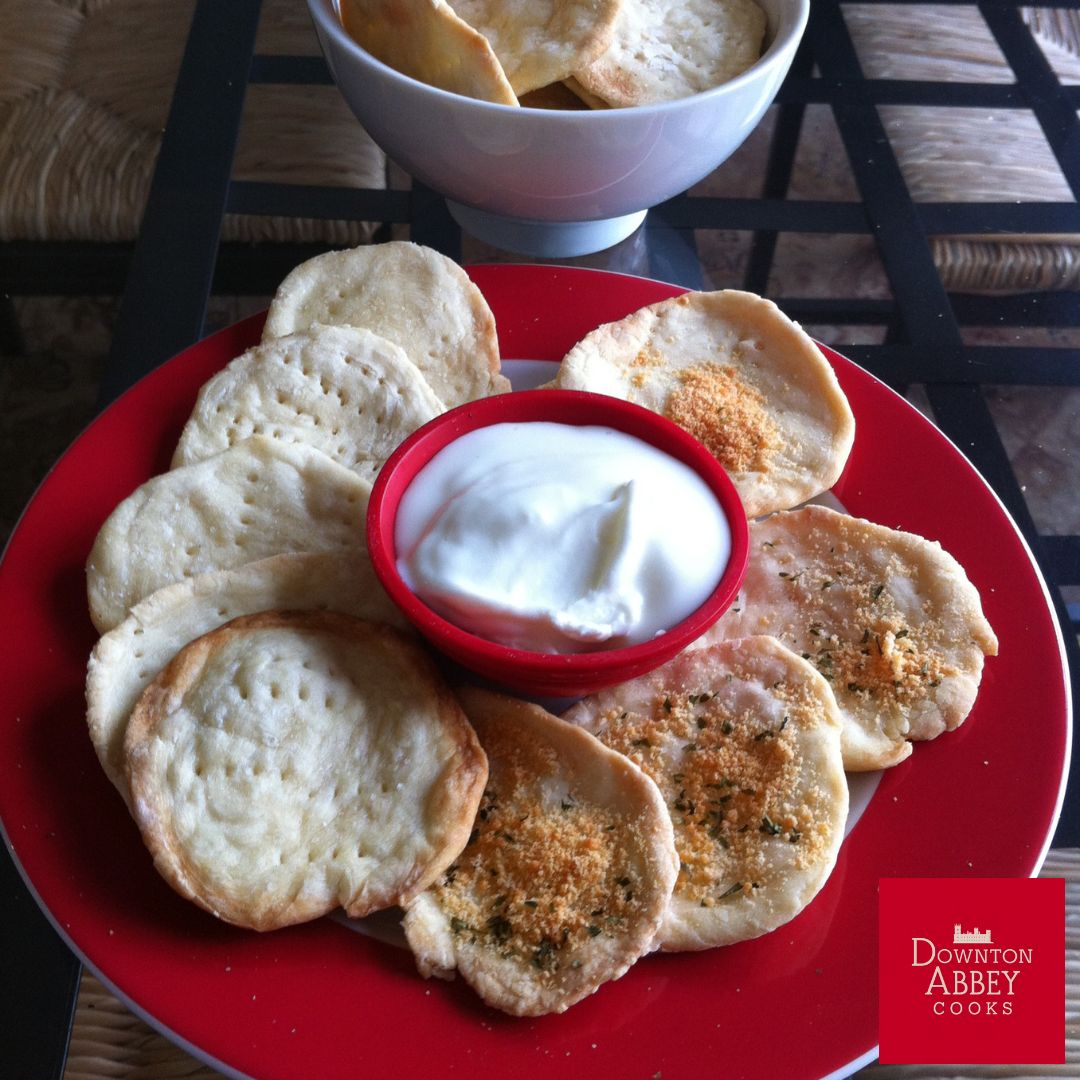
What it is: A simple, hard cracker made from flour, water, salt, and a little shortening — also known as the ship’s biscuit or hardtack.
Why it matters: This is the dish that puts the entire Titanic experience into perspective. While first-class passengers worked their way through Filet Mignons Lili and Punch Romaine, third-class passengers — most of them emigrants heading to a new life in America — were eating crackers originally designed to survive months at sea without spoiling.
But here’s what’s important to remember: even the steerage food on the Titanic was better than what many of these passengers had eaten at home. The ship served them roast beef, fresh bread, soup, and plum pudding daily. For people leaving poverty in Ireland, Scandinavia, and Eastern Europe, the Titanic’s third-class dining saloon may have been the finest restaurant they’d ever entered.
As Downton Abbey fans, we understand this tension between upstairs and downstairs. The cabin biscuit is the edible version of that divide.
Difficulty: Very easy — a great baking project with kids, too.
👉 Get the full Cabin Biscuit recipe
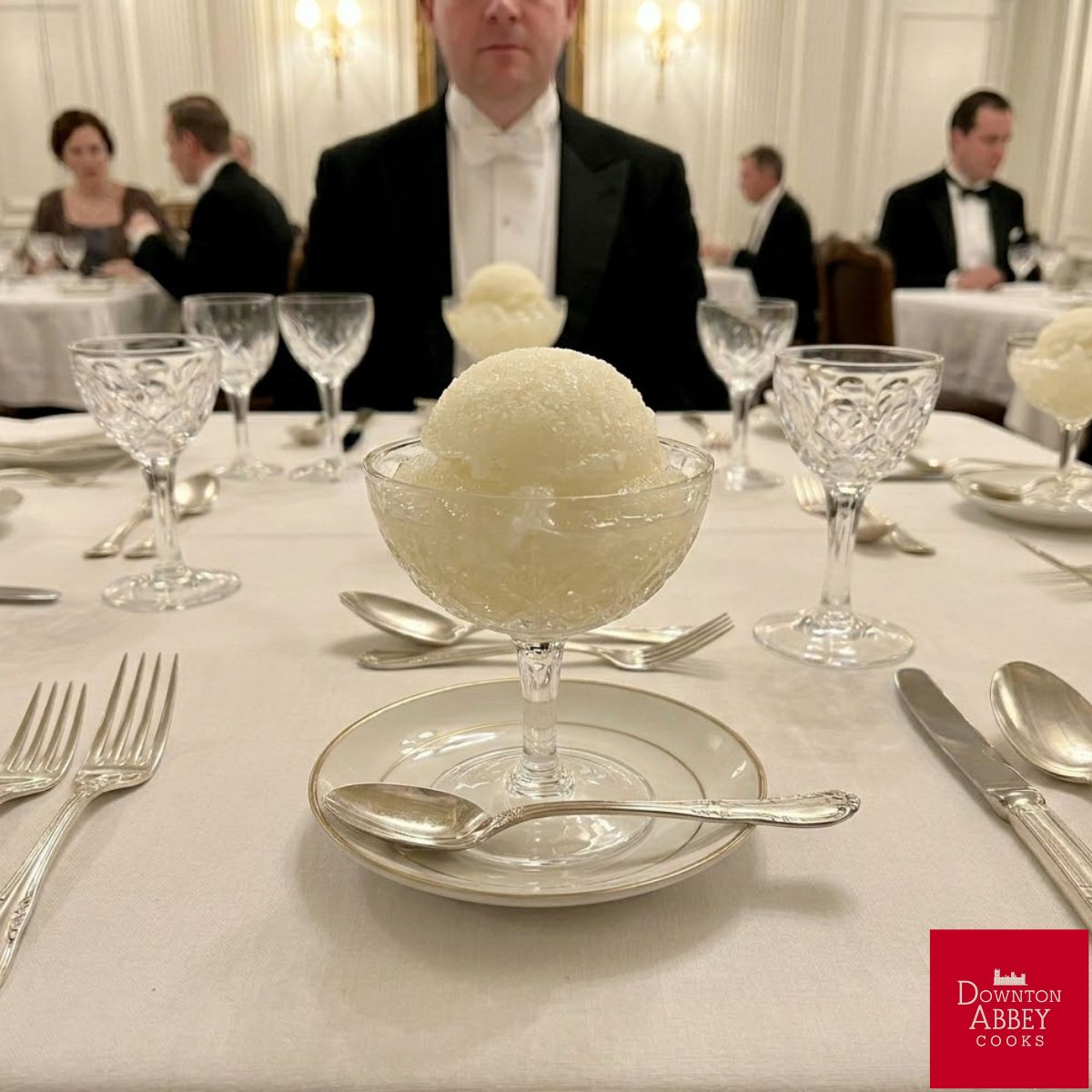
5. Punch Romaine — First Class, Between Courses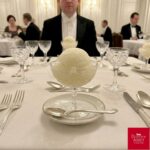
What it is: A champagne and white wine slush with citrus and rum, served as a palate cleanser between the heavy meat courses.
Why it matters: This is the single most famous dish from the Titanic, and for good reason. Punch Romaine was the ultimate Edwardian indulgence — an alcoholic shaved ice championed by Auguste Escoffier himself, designed to refresh diners mid-meal so they could keep eating. It was served between the fourth and fifth courses of the ten-course dinner.
It’s also the dish with the most haunting timing. By the time first-class passengers were sipping their Punch Romaine on the evening of April 14th, the Titanic was just hours from striking the iceberg. There is something almost unbearable about imagining people enjoying champagne slush in a gilded dining room while the ship steamed toward disaster.
This is the single best dish to serve if you’re doing anything — anything at all — to mark April 14th. It takes minutes to make, it’s delicious, and it carries more history in a single glass than most entire dinner parties.
Difficulty: Easy — essentially a blender drink.
👉 Get the full Punch Romaine recipe
How to Use These Recipes on April 14th
You don’t need to attempt the full ten-course first-class dinner (though I have — and I’ve written about that experience here). Here are some simpler ways to mark the anniversary:
- The Solo Tribute: Make the Punch Romaine. Raise a glass at 11:40 PM — the moment the Titanic struck the iceberg. Remember.
- The Dinner Party: Serve the Consommé Olga as a starter, the Baked Haddock as a main, the Asparagus Salad alongside, and the Punch Romaine between courses. Four dishes, three classes represented.
- The Family Activity: Bake Cabin Biscuits with your children and use them as a starting point for talking about what life was like for the emigrants in steerage — and why this story still matters 114 years later.
Why This Still Matters
This week marks 114 years since the Titanic sank. It also falls less than three years after the OceanGate Titan submersible imploded while carrying five people to the Titanic wreck site — a disaster driven by the same hubris that built an “unsinkable” ship in 1912. We keep returning to this story because it asks a question we haven’t finished answering: what happens when ambition outruns caution?
For me, cooking these dishes is the most honest way I know to honour the 1,517 people who died that night. Food is connection. It’s the most human thing we do. And on April 14th, it’s a way to sit at the same table — metaphorically — with the people who sat at theirs, 114 years ago, not knowing what was coming.
Great food has a history. This one deserves to be remembered.
Pamela Foster is a food historian and the creator of Downton Abbey Cooks, where she has been researching and recreating historic recipes for over 15 years. She has prepared every dish from the Titanic’s last dinner menus across all three classes. Browse the complete First Class menu, Second Class menu, and Third Class menu recipe collections.