

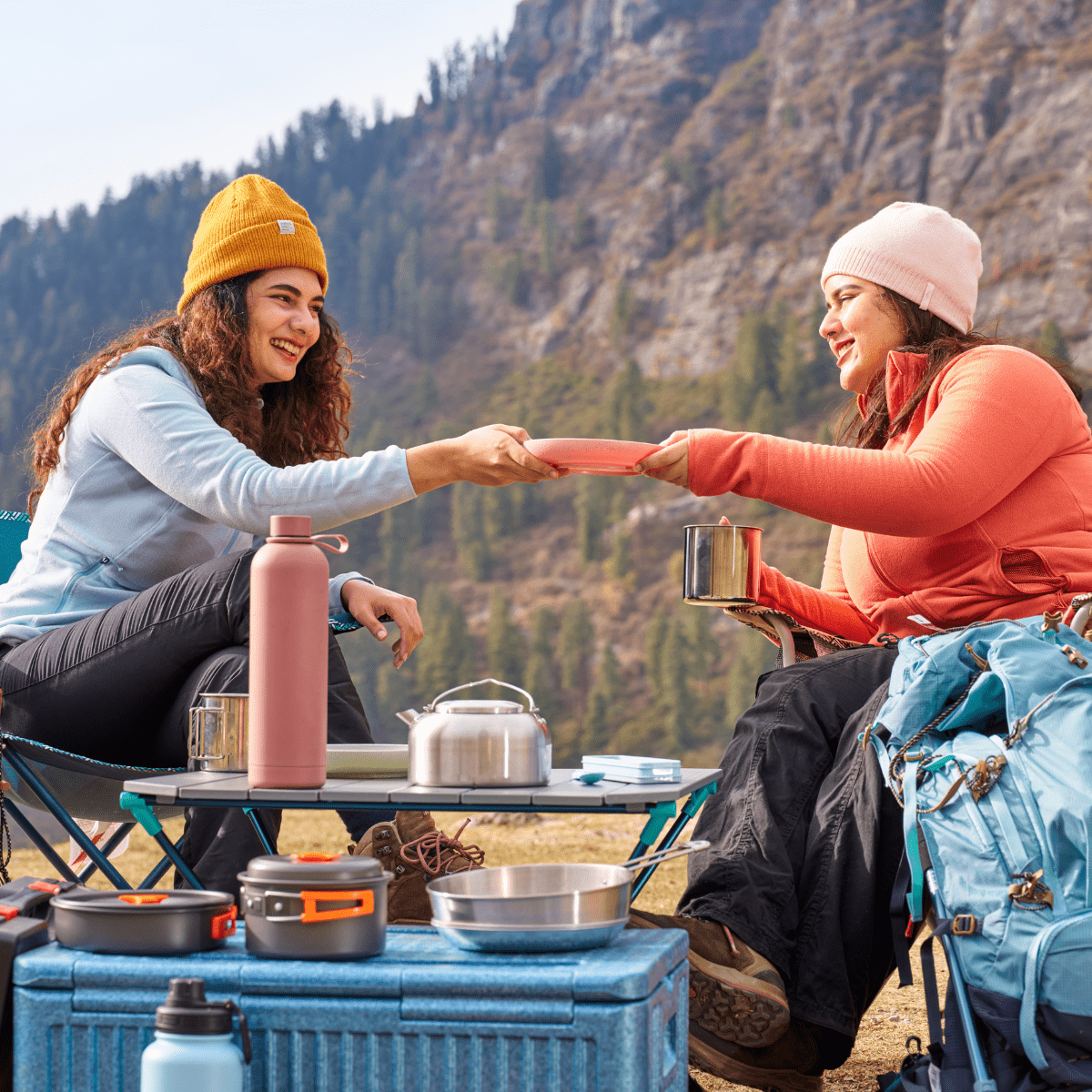
That might mean prioritizing sleep, prepping smarter meals, or packing a few essentials that help manage changes in the body. For example, some women bring along MENO vaginal moisture capsules to avoid dryness that can get worse in cold, dry air.
Knowing what your body needs (and actually preparing for it) makes a big difference when the goal is to enjoy the moment, not just survive it. If you’re looking for some hints and tips, we’ve got the information for you!
How To Get Quality Rest in the Wild
A full night of uninterrupted sleep can feel like a luxury at home, so it’s no surprise that camping brings new sleep challenges. Cooler temperatures, uneven ground, and unexpected noises can make rest hard to come by, but sleep is just as important when you’re spending your days outdoors.
If pressure points are a concern, a thicker sleeping pad or camp cot can be worth the extra space in your trunk. A quality sleeping bag that matches the expected temperature helps regulate body heat, especially if night sweats are still present. It also helps to pack a real pillow, not a travel-size afterthought.
Earplugs, eye masks, and a solid wind-down routine can go a long way toward making the tent feel like a place you actually want to crawl into.
Bathroom Setups, Body Changes, and Staying Fresh
Using the bathroom while camping has never been glamorous, but it comes with a few extra considerations in midlife. Hormonal shifts can lead to increased urgency, lighter sleep, and more frequent nighttime bathroom trips. Being prepared makes a huge difference in comfort and confidence.
If your campsite doesn’t have bathrooms, portable toilet setups or pee funnels can be a game-changer. Consider bringing gentle, fragrance-free wipes and pH-balanced cleansers to support vaginal health, especially when access to clean water is limited.
Breathable cotton underwear and moisture-wicking clothing help keep things comfortable, particularly in warm or humid climates. Planning for hygiene, even without amenities, lets you focus on the relaxation you came for.
What To Eat, Drink, and Pack for Energy and Comfort
Midlife camping means listening to your body more intentionally. Meals that once felt fine after a long hike may now cause bloating or fatigue. Planning meals that are easy to digest and balanced with fiber and protein can help prevent energy dips.
Staying hydrated is also key, but drinking tons of water right before bed isn’t always ideal. Sipping water throughout the day and including a few electrolyte drinks can help keep energy stable without overloading your bladder at night.
Some women also pack supplements or vitamins they take daily, especially if camping more than a night or two. Whether it’s collagen powder, magnesium, or a go-to anti-inflammatory, packing what works for your body is part of making the trip feel good, not just doable.
Movement, Recovery, and Taking It at Your Own Pace
Camping often involves more physical activity than expected, even if hiking wasn’t on the itinerary. Walking across uneven ground, setting up gear, and carrying bags can add up. In your 40s and 50s, it’s normal to feel those movements more than before, so pacing and recovery matter.
It helps to plan for your body’s needs. That might mean bringing supportive footwear, using trekking poles on longer walks, or stretching in the morning before activity. Compression socks, reusable ice packs, or a massage ball can all be helpful additions to your gear bag.
Listen to how your body responds throughout the day, and don’t push to keep pace with younger campers. Going at your own pace allows you to enjoy the experience without needing a recovery week afterward.
Managing Temperature Swings and Nighttime Comfort
As estrogen levels shift, temperature regulation can become more unpredictable. Even mild weather can feel extreme overnight. Dressing in layers you can easily add or remove, choosing moisture-wicking sleepwear, and bringing a lightweight blanket in addition to your sleeping bag can help maintain comfort without constant overheating or chills.
Why It’s Worth It
Camping in your 40s and 50s is less about pushing limits and more about choosing what feels good. It’s the quiet mornings, the unhurried meals, and the freedom to unplug without the pressure to do it all. The more intentional the prep, the more relaxing the trip. Being able to adapt, adjust, and still find joy in the outdoors is a reminder of how capable and resilient you are at every age.