

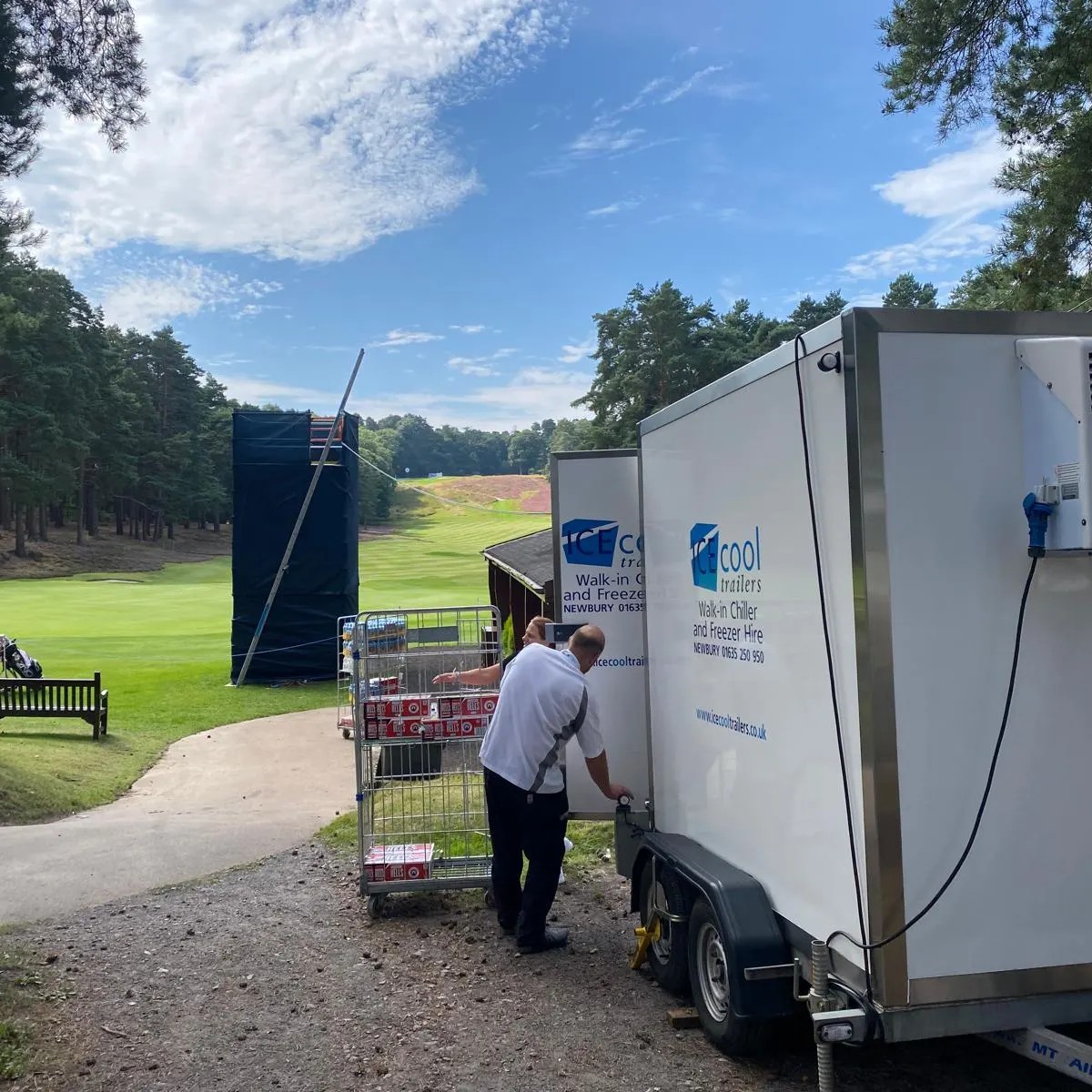
One practical solution that has gained traction is the use of mobile freezers. These versatile machines not only maintain the freshness of food but also play a substantial role in reducing waste. By providing additional space for storage and helping manage inventory effectively, mobile freezers can ensure minimal loss of perishable goods during high-traffic events.
The Role of Mobile Freezers in Food Preservation
At festivals, the demand for food sharply fluctuates. Some stalls may experience long queues, while others may find themselves with a surplus of prepared items by the end of the day. Mobile freezers act as a buffer in such situations. When stock begins to pile up at certain stalls, rather than discarding uneaten food, vendors can temporarily store their products in mobile freezers. This not only prevents spoilage but also enables them to redistribute food to other vendors or consider repurposing it in the following days of the festival.
Moreover, mobile freezers provide crucial flexibility. Having access to high-quality temporary cooling equipment for busy venues can be invaluable, especially when unexpected situations arise – be it sudden weather changes or equipment failures. Modern mobile freezer units are equipped with state-of-the-art technology that ensures optimal temperature control, preserving the quality of ingredients.
In addition, the logistics of running a festival can often be unpredictable. Last-minute changes to menus, estimated crowd sizes, or even the types of food being served can render traditional cooling solutions inadequate. Mobile freezers can swiftly adjust to these changes, allowing vendors to respond to real-time demands without sacrificing quality or creating waste.
Enhancing Inventory Management
Efficient inventory management is crucial for any successful event. Properly utilised mobile freezers can enhance this aspect, allowing vendors to keep track of what they have on hand. By avoiding over-preparation, vendors can gauge how much food they need based on real-time sales data gathered throughout the festival. Here’s how this impacts food waste:
1 Enhanced Planning: With access to temperature-controlled storage, vendors can buy ingredients in larger quantities without the fear of spoiling. They’ll have peace of mind knowing they can freeze leftovers to be used later.
2 Reducing Uncertainty: The unpredictability of festival crowds can lead to over-ordering. Mobile freezers allow for adjustments in real-time and can hold additional stock without risking spoilage.
3 Flexible Solutions: If one stall’s offerings are less popular than anticipated, vendors can quickly redistribute their stock among other stalls. This strategic sharing can keep food moving and help all vendors maximise their profit while minimising waste.
Collaboration Between Vendors
The community spirit of festivals often promotes collaboration rather than competition. Mobile freezers facilitate this camaraderie by allowing food vendors to share resources and reduce waste collectively. For example, if one stall has excess items that are nearing their expiry, they can share with neighbouring stalls, who can incorporate these items into their menus.
Furthermore, by establishing formal agreements or collaborative practices among vendors, such as pooling resources for cooling equipment, organisers can foster a culture of sharing and sustainability. This collaboration not only reduces waste but also enhances the diversity of food options for festival-goers.
Adapting to Environmental Concerns
In recent years, a heightened awareness of environmental issues has led many consumers to favour businesses and events that adopt sustainable practices. Thus, investing in mobile freezers is not just a matter of convenience; it aligns with ethical considerations around food waste.
Many modern mobile freezers are designed with energy efficiency in mind, helping vendors minimise their carbon footprint while still providing excellent service. Additionally, by reducing waste, festivals can not only enhance their sustainability credentials but also appeal to an audience that prioritises environmental consciousness.
Real-World Success Stories
Several festivals have adopted mobile freezers and have reported significantly reduced levels of food waste. For example, in festivals celebrating local produce, vendors using mobile freezers have reported being able to prepare larger quantities of their food while still maintaining quality. Their conscientious planning, enhanced by the added storage capabilities of mobile freezers, enables them to offer fresher dishes while reducing unnecessary waste.
Moreover, some festivals have set targets regarding food waste and successfully met them through strategic partnerships with local charities, redistributing untouched food that vendors stored throughout the event. The added structure provided by mobile freezers allows for an efficient redistribution process, ensuring that food reaches those in need rather than ending up in landfills.
Conclusion
The benefits of integrating mobile freezers at festivals extend far beyond merely keeping food cold. These units serve as essential tools in the fight against food waste, enhancing inventory management and fostering collaboration among vendors. By providing a flexible solution to food storage challenges, mobile freezers play a crucial role in minimising waste and promoting sustainability in a vibrant festival environment.
As food events continue to evolve, it is clear that mobile freezers will remain a cornerstone in the quest for responsible consumption and resilience in the face of changing demands. Organisers, vendors, and attendees alike can contribute to a future where festivals not only celebrate food but do so in a way that respects our planet.