

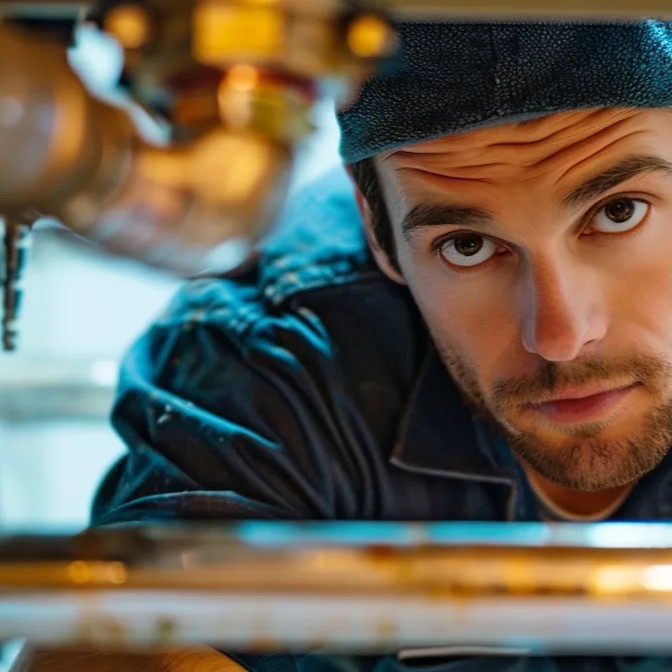
Below, we’ll delve into the importance of regular plumbing inspections, preventative maintenance, and its impact on water conservation and energy efficiency.
Regular Plumbing Checks for Optimal Home Efficiency
Regular plumbing inspections help identify minor issues before they become major problems. Homeowners who schedule yearly checkups report a 20% reduction in emergency repair costs. Such proactive measures ensure that plumbing systems operate efficiently without unexpected failures.
By addressing worn-out seals or small leaks early, households can prevent severe water damage. Faulty pipes or fixtures often go unnoticed until they cause significant damage. Maintaining a regular inspection schedule keeps these potential threats in check, ensuring a safe and efficient home.
Consider hiring certified professionals for your plumbing inspections. Professionals utilize advanced tools and technology to diagnose issues accurately. Research has shown that professionally handled systems last 15% longer. Refer to guidelines on routine checks with resources like plumber.
Preventative Maintenance to Avoid Plumbing Emergencies
Engaging in preventative plumbing maintenance minimizes the risk of plumbing emergencies. Homeowners who adopt this approach experience fewer sudden breakdowns, sparing them the inconvenience and high costs of emergency repairs. Preventative care fosters peace of mind and a well-functioning system.
A study found that toilets account for 20% of water usage in homes, often due to unnoticed leaks. Regularly checking for such issues can significantly reduce water wastage. Simple measures like replacing faulty valves or seals can alleviate potential problems. Increasing your home’s water efficiency is attainable with routine checks.
Homeowners are encouraged to create a preventative maintenance plan. This includes keeping an eye out for warning signs like slow drains or unusual sounds. Addressing these issues promptly can preempt costly repairs and conserve water and energy resources.
Enhancing Water Conservation with Routine Plumbing Care
Dedicated plumbing care advances water conservation efforts at home. Fixing leaks and installing efficient fixtures can reduce water consumption by up to 30%. Such practices not only benefit the environment but also bring down monthly water bills.
A key component of water conservation is identifying and resolving leaks. Even small drips can waste up to 3,000 gallons of water annually. Efficient plumbing care focuses on sealing these leaks promptly to prevent water waste. Ensuring that all water fixtures function optimally remains crucial.
Routinely inspect plumbing components for wear and tear. Replace outdated fixtures with water-efficient models to drastically cut usage. Access reliable resources from home improvement experts to guide conservation efforts effectively.
Boosting Energy Efficiency through Plumbing System Upkeep


Maintaining plumbing systems boosts overall energy efficiency in homes. Well-functioning systems ensure that hot water heaters and other appliances operate seamlessly. This reduces energy usage, lowering utility bills by up to 15% annually.
Efficient water heaters and insulated pipes ensure minimal energy loss. When systems are regularly maintained, there is a marked reduction in energy demand due to leaks or inefficient fixtures. Addressing such maintenance tasks can have a significant positive impact on home energy usage.
Committed homeowners should regularly assess their plumbing setups. Routine maintenance includes replacing inefficient appliances and ensuring all components are well-insulated. Simple steps can make a substantial difference, leading to enhanced thermal efficiency throughout the home.
Ultimately, regular plumbing upkeep is critical for maintaining a cost-effective and environmentally friendly home. Investing time in routine checks ensures all systems run smoothly, promoting efficiency in both water and energy use.