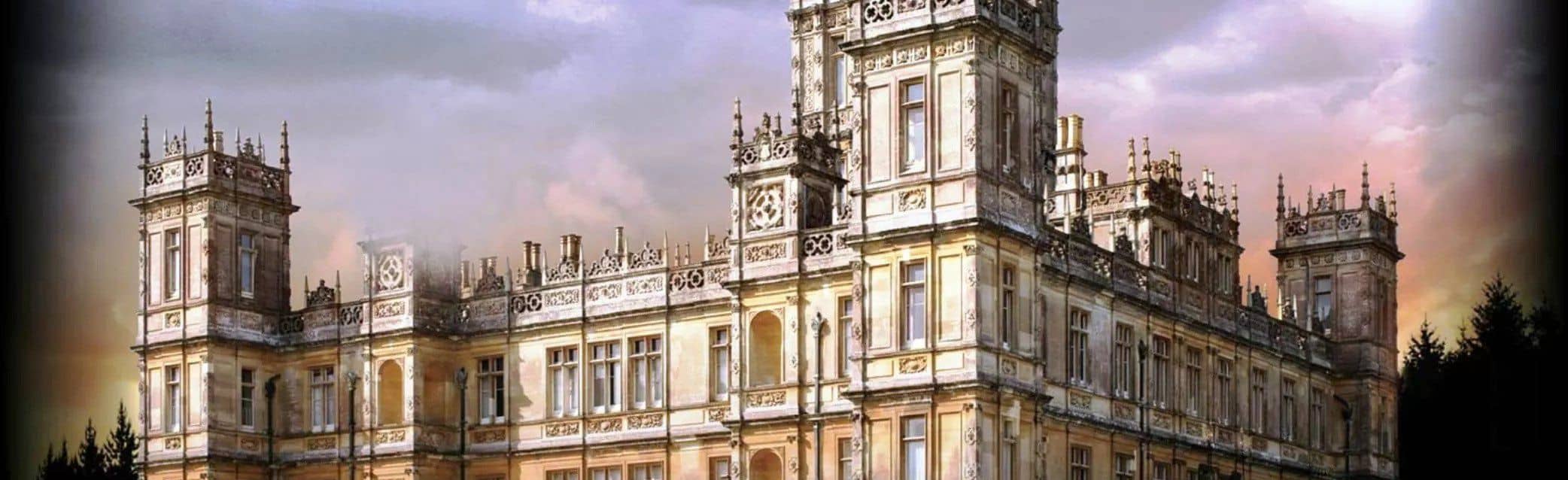
 Few television dramas make a dinner table as revealing as Downton Abbey. Behind the polished silver, carefully folded napkins, and elaborate courses lies a world governed by hierarchy, habit, and unspoken expectations. A meal at the Crawley family’s country estate is never simply about satisfying hunger. It is a performance in which every guest and servant knows their place.
he series begins in 1912 and follows a household navigating enormous social changes. Its dining scenes capture a moment when aristocratic customs remained powerful even as war, new technology, and shifting attitudes challenged the old order. What appears effortless upstairs requires planning and physical work downstairs. Fans who would rather see the real castle behind the show can also browse black friday travel deals 2026 on guided tours of England.
Looking closely at those meals reveals how Edwardian and early twentieth-century households used food to express status, reinforce family relationships, and negotiate change. The smallest details, from seating arrangements to the timing of service, help tell the larger story of Downton Abbey.
Dinner Was a Display of Status and Modern Comfort
At Downton, the dining room communicates wealth before anyone tastes the first course. Fine china, crystal glasses, linen, and polished furniture establish an atmosphere of precision. Guests dress for dinner, and the household follows rituals that distinguish formal evening meals from everyday eating.
This world was also experiencing changing ideas about domestic comfort. Wealthy country houses gradually adopted improved plumbing, electricity, and newer approaches to health, although access varied widely. Today’s specialized wellness market offers an illuminating contrast: oxify.com features modern hyperbaric chamber equipment, technology far removed from the treatments and household conveniences available to the Crawleys. The comparison underscores how definitions of luxury and personal care evolve over time.
For the family, however, the central luxury was service itself. A beautifully presented meal depended on a team of workers making every detail appear effortless.
The Household Ran on Two Very Different Routines
While the family gathered in formal rooms, servants followed a demanding schedule of food preparation, cleaning, dressing assistance, and table service. Mrs Patmore supervised the kitchen, Daisy learned its relentless routines, and the footmen carried meals upstairs according to established expectations.
Even personal comfort differed sharply across the house. Upstairs residents enjoyed privacy and attentive service; downstairs staff had limited time and fewer amenities. Modern homes can devote dedicated areas to relaxation, with products from https://saunakits.com/ offering one example of today’s personal sauna options. Such installations belong to a very different domestic era, yet they highlight how strongly ideas about rest depend on the resources and space available.
The downstairs dining table mattered too. It was where servants ate, exchanged news, and developed relationships beyond their professional roles, making it one of the household’s most revealing settings.
Etiquette Determined the Rhythm of Every Meal
 Formal dining followed rules that helped guests understand their positions within society. Seating reflected rank and family relationships, while conversation was expected to remain controlled and appropriate. Even the arrival and removal of dishes depended on careful coordination.
The series uses these rules to build tension. A pointed remark can be more disruptive than a dramatic confrontation when everyone is expected to maintain impeccable manners. The Dowager Countess, in particular, often turns dinner conversation into a contest of timing and wit.
Etiquette also shaped the servants’ work. Footmen needed to anticipate requests without intruding, and mistakes could attract unwanted attention. What viewers see as an elegant ritual is therefore also a system of discipline and labor.
Elaborate Menus Reflected Class and Occasion
Formal dinners in wealthy British households could involve several courses, with soups, fish, meat, vegetables, savory dishes, and desserts appearing in sequence. Menus varied with the
season, the occasion, and the household’s resources. French culinary terminology also conveyed sophistication among fashionable diners.
Food at Downton serves as a social signal. A dinner prepared for important visitors carries different expectations from a quieter family meal, and the kitchen must adapt accordingly. Special occasions bring additional pressure because the quality of hospitality reflects upon the entire household.
Yet food history is not just a catalogue of impressive dishes. Ingredients needed to be purchased, stored, prepared, and served at precisely the right moment. These logistical demands reveal why a large country house required experienced cooks and coordinated staff.
Breakfast and Afternoon Tea Had Their Own Meaning
Not every meal was as theatrical as dinner. Breakfast could be less formal, especially for family members following separate schedules. The breakfast room offered a setting for discussing newspapers, correspondence, and plans before the day became busy.
Afternoon tea created another kind of social encounter. Tea, small sandwiches, and cakes encouraged visits and conversation without the full ceremony of an evening dinner. Such gatherings could still carry expectations about manners, invitations, and social standing.
For the household staff, these apparently simple occasions added more tasks to an already crowded day. The contrast between the family’s leisure and the servants’ responsibilities is central to the series’ portrayal of domestic life.
Changing Times Gradually Reached the Dining Room
Downton Abbey is compelling partly because its traditions never stand still. War, economic pressure, and shifting class relationships challenge assumptions about who belongs at the table and how a great house should operate.
As characters take on unfamiliar roles and form relationships across social boundaries, shared meals become places where change is negotiated. Older generations defend conventions, while younger figures question their relevance. The dining room records these tensions through conversations, invitations, and occasional breaches of protocol.
That is why the series’ food scenes remain memorable. They reveal character through conduct rather than explanation, showing who feels secure, who is excluded, and who is ready to challenge expectations. Beneath the gleaming silver and impressive menus, Downton’s table tells a story about a society learning to live differently.