

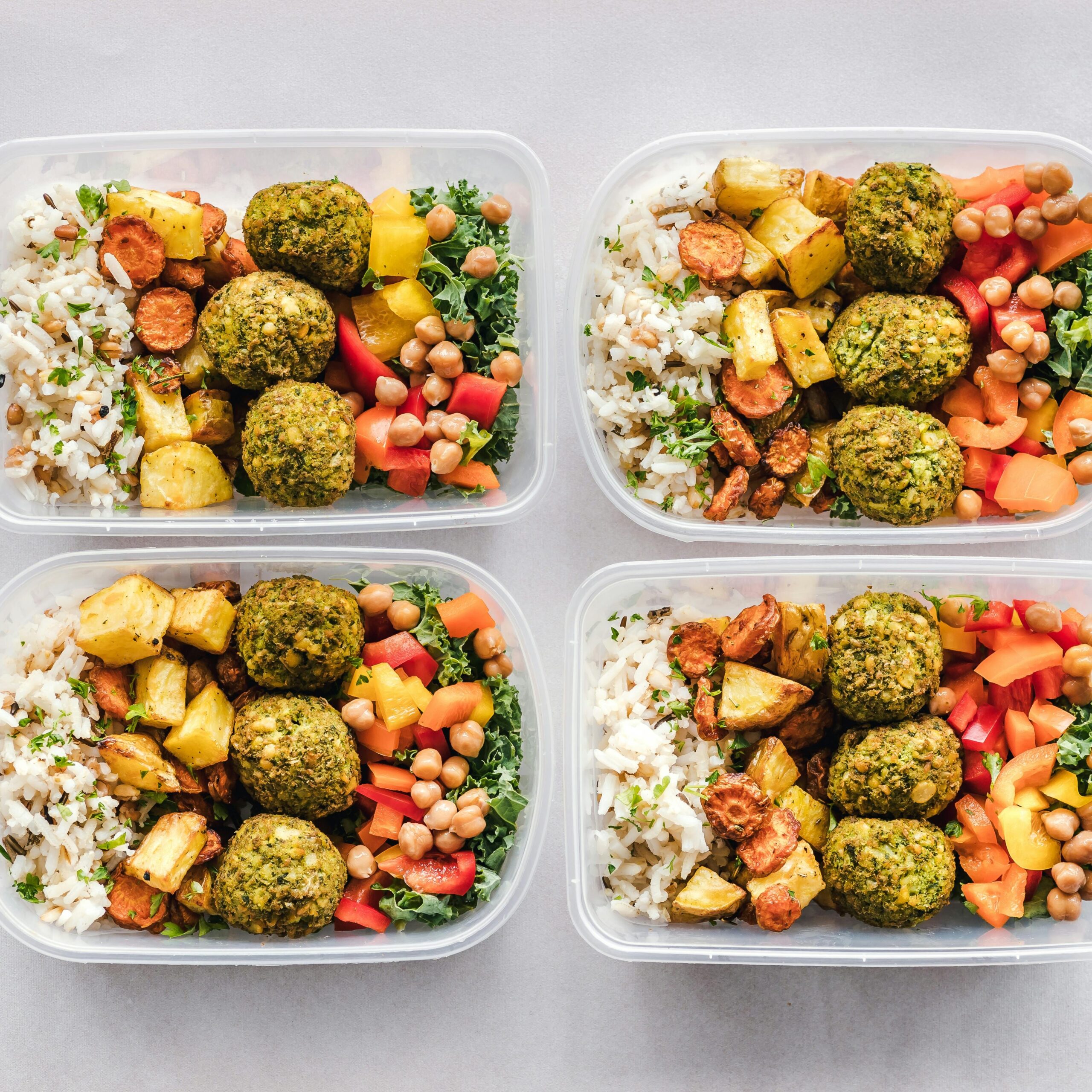
In this blog, we will share practical, realistic ways to manage family meal planning without losing your patience or paycheck.
Why Meal Planning Still Matters
Even as grocery prices swing up and down depending on the week’s headlines—whether it’s a fuel crisis, drought in California, or another freight hiccup in Asia—families still need to eat. But not everyone has time to scroll endless recipe blogs or waste another hour trying to figure out dinner with hungry kids circling the kitchen. That’s where meal planning keeps its edge.
Planning meals ahead of time isn’t about creating Pinterest-perfect schedules or freezing lasagna for the apocalypse. It’s about reducing stress, cutting waste, and using what you already have. In a time when inflation keeps the average grocery bill higher than it was even two years ago, knowing what you’re going to cook before shopping helps avoid last-minute takeout and forgotten spinach wilting in the crisper.
Some meals can even be streamlined with the right tools. If you’re already juggling work, school pickups, and the daily game of “what’s for dinner,” investing in faster cooking methods can buy back time you didn’t know you had. A good example is finding dishes that work well in high-pressure settings without losing flavor. Many families have started adding an Instant Pot lamb shanks recipe into their rotation, not because they’re trying to impress anyone, but because it’s rich, satisfying, and comes together with far less hovering than a traditional roast. Meals like these—flavorful, simple, and built for leftovers—anchor a practical plan. You get more from your time and ingredients, and fewer last-minute sprints to the store.
But meal planning isn’t just about what goes on the plate. It also affects how you shop, how your kitchen runs, and how much waste you’re throwing out each week. A solid system isn’t rigid—it just removes the guesswork.
Start With the Non-Negotiables
Before you build out a plan, map out your week. Know which nights are tight on time. If your kid has soccer practice on Wednesday, that’s not the night to try something new. Keep those nights low-effort—leftovers, sandwiches, or a reheated pasta bake. Save the creative stuff for when you’ve got room to experiment.
Build your plan around what you already have. Every fridge has a few neglected items—use them. Make a list of what’s in the freezer, what’s nearing its expiration date, and what you have in bulk. If you’ve got a big sack of rice and unopened curry paste, that’s a dinner waiting to happen. Planning from your pantry first stops you from doubling up on things you didn’t need and forces some variety.
Also think in terms of core ingredients. A pack of chicken thighs can stretch across tacos, stir fry, and soup. Cook once, use twice. That’s not laziness—it’s survival.
Keep the Plan Flexible, Not Fragile
The goal isn’t to map out every forkful for seven days straight. Instead, create a loose structure. Pick four to five meals, leave room for leftovers, and always include a wildcard night. That’s the night when you order pizza, eat cereal, or piece together snacks. Everyone does it, so plan for it.
Your plan should adjust to life, not resist it. If your Thursday plan falls through because your meeting ran long or the baby refused to nap, shift the meal to Friday. Frozen proteins can be thawed later. Veggies that were meant for soup can still go in a stir fry. Build in meals that don’t expire on a timeline.
And if someone complains? Let them cook instead. Meal planning is a team sport when it works best.
Save Recipes That Actually Work
Everyone has been burned by a beautiful photo leading to a disaster on the plate. You don’t need fifty new recipes every month—you need ten that consistently work. When you find meals your family eats without complaint, save them. Write them down, bookmark them, whatever works.
Keep them where you can see them when planning. A simple rotation of hits keeps things from getting stale without needing a new cookbook every week. Include a mix of fast meals, freezer-friendly options, and something that feels a little special. Even the most practical meal plan benefits from one dish that makes everyone pause mid-bite.
No one needs to reinvent dinner. You just need meals that don’t break the budget, burn out the cook, or leave dishes piled up until morning.