

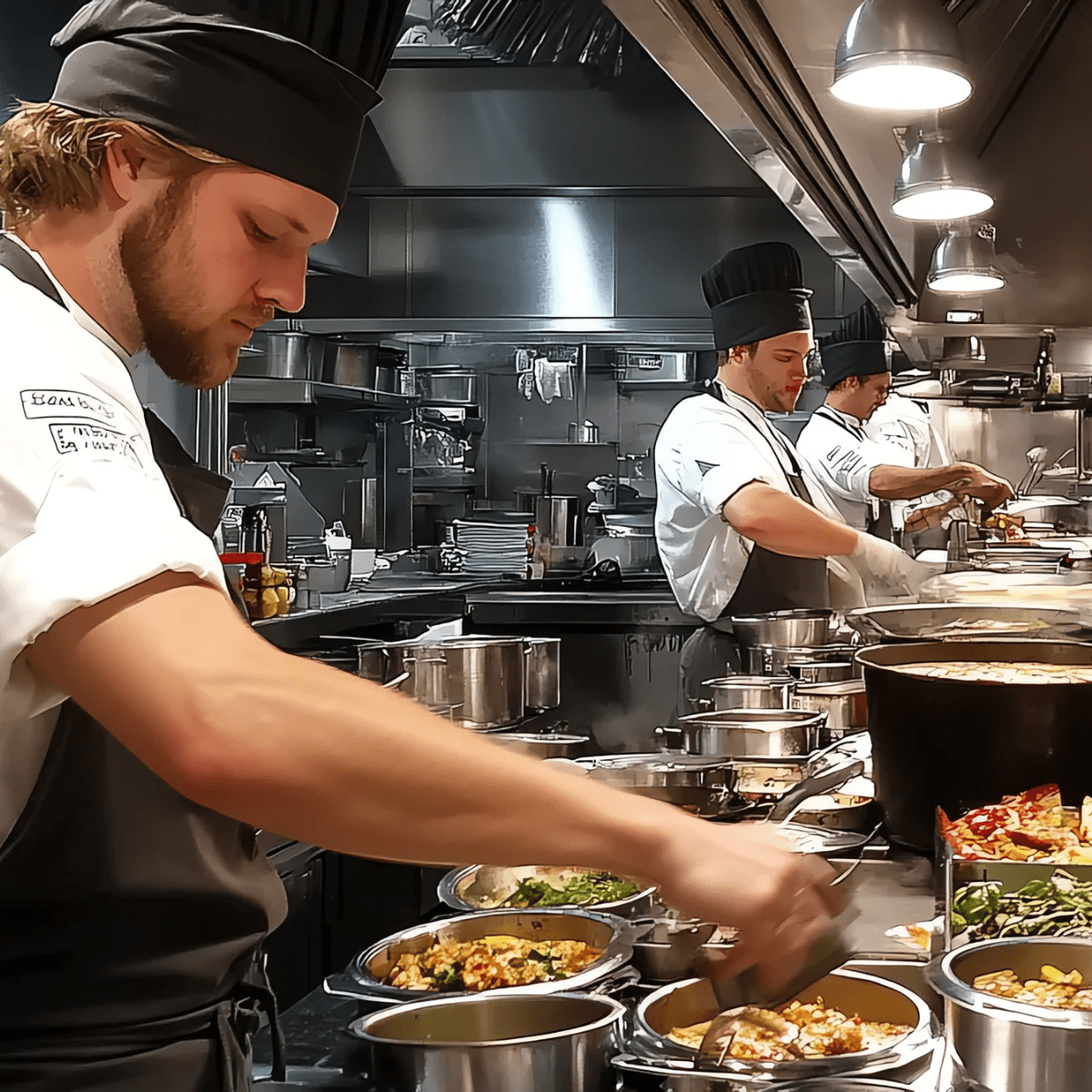
The New Baseline For High Performance Kitchens
Efficiency used to mean shaving seconds off prep, but chefs now treat it as a full system mindset. When gear supports tight margins, the entire line runs with more confidence. Compact technologies once written off as overkill for serious kitchens are proving their value when dinner service turns into a sprint. Precision controls and rapid recovery times give teams a stronger sense of control during peak pushes, and that steadiness matters far more than any shiny new gadget. Chefs talk less about replacing heritage equipment and more about integrating new pieces that allow them to push skill further. Even a classic wood fired environment benefits when chefs can supplement workflow with tools designed to maintain heat stability, especially when experimenting with doughs destined for a home pizza oven crowd but refined for a professional palate.
Heat Control Becomes A Creative Asset
Every chef knows heat is both best friend and greatest liability. As technology shifts, kitchens gain more ways to steer thermal behavior instead of wrestling with it. Modern ovens and induction setups offer response times that feel almost conversational, which means fewer moments wasted coaxing gear to behave. When heat responds predictably, technique can open up rather than narrow. This reliability allows chefs to explore textures and flavors they might have avoided when older equipment demanded constant babysitting. It also makes teams more flexible during service, since stations can adapt quickly when covers surge or menus evolve mid season. Control creates room for curiosity, and that curiosity drives new menus more than any external trend cycle.
Prep Work Enters Its Own Evolution
Prep is where consistency takes root, and tech is changing how kitchens protect standards day after day. High volume spaces rely on discipline, but precision tools reduce the cumulative strain that wears teams down over long weeks. Small format equipment built for accuracy helps with tasks that used to be notorious energy drains, from repetitive slicing to time sensitive emulsions. When baseline work becomes less punishing, teams stay sharper for creative problem solving, which is where restaurants stand apart. These small shifts also improve training, because new cooks can learn calibration and technique with fewer roadblocks. When foundational work becomes smoother, chefs can devote more energy to ingredients and flavor instead of troubleshooting fatigue points.
Digital Tools That Support Intuition
Technology in the kitchen works best when it disappears into the background. Chefs have little patience for anything that interrupts service flow, but they have embraced digital systems that support timing, planning, and communication. Platforms built for professionals allow teams to track prep cycles, maintain par levels, and streamline communication without adding friction. Many of these tools have evolved from spaces that once catered solely to culinary blogs, but have since grown into sophisticated systems designed for the demands of high volume operations. The benefit is subtle but real, since stability in planning frees the creative side of the kitchen to move with more confidence. Chefs rely on intuition rooted in experience, and technology that organizes the noise around them protects that intuition rather than contradicting it.
Equipment That Marries Craft And Modern Build
The conversation around kitchen equipment has become more grounded and intentional. Chefs are no longer debating whether modern tools belong in professional kitchens, but how those tools can support established techniques at scale. Advances in build quality, insulation, and heat distribution have made consistency more reliable without stripping away nuance. Modern equipment allows chefs to execute time-tested methods with greater repeatability, ensuring signature dishes hold up night after night. Rather than replacing craft, today’s gear reinforces it by reducing variability and giving chefs a stable foundation to work from, even as menus evolve or service demands increase.
Innovation in the professional kitchen works when it respects skill and amplifies it. New tools serve chefs best when they clear space for imagination, protect consistency, and give teams the confidence to lean into flavor and technique. The kitchens that thrive will be the ones that welcome change with a practical eye and a steady hand, building environments where modern gear and timeless craft move together with purpose.
FAQs for Inquisitive Readers
Can you give me an example of compact technology once considered overkill but now valuable during busy service?
A strong example is a high-speed countertop combi oven. These units were once dismissed as unnecessary compared to full-size combis, but they have become indispensable in tight kitchens during peak service. They allow chefs to roast, steam, reheat, and finish plates rapidly with precise humidity and temperature control, helping stations recover quickly when tickets pile up.
What equipment helps chefs better control heat instead of constantly managing it?
Induction burners are a clear example. Unlike traditional gas, induction responds instantly to input changes and delivers consistent heat without ambient temperature creep. Digitally controlled gas burners also fall into this category, offering preset output levels that reduce guesswork and allow chefs to maintain steady heat across long services.
What small-format equipment reduces energy drain during repetitive or delicate prep work?
A high-precision immersion blender with variable speed control is a good example. Tasks like emulsifying sauces, purées, and vinaigrettes used to require constant manual adjustment and physical effort. Modern precision blenders maintain consistency while reducing fatigue, especially during large prep cycles or menu resets.
What digital systems have evolved to support high-volume kitchen operations?
A Kitchen Display System (KDS) is the most common example. What started as a simple ticket replacement has evolved into a core operational tool. Modern KDS platforms manage ticket timing, station coordination, pacing, and order prioritization in real time, helping kitchens maintain flow during high-volume service without relying on verbal callouts or paper tickets.