
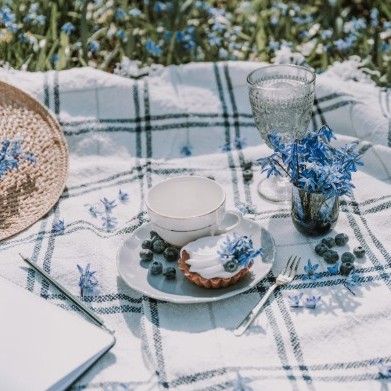
When the English Picnic Was a Full Social Performance
A Victorian picnic was not a blanket, a sandwich and a lazy afternoon. For the English upper classes, it was a portable dining room: cold meats, pies, lobster, puddings, servants, linen, bottles and enough social rules to make a garden party look relaxed.
That is what makes English aristocracy food so fascinating. It was rarely casual, even outdoors. A picnic could move to the grass, but hierarchy came with it.
The Hamper Was a Status Object
The wicker hamper became one of the great symbols of the Victorian picnic. It was practical, yes, but also theatrical. A large hamper told guests that the host had planned properly and had the staff, kitchen and money to make outdoor dining feel almost indoor.
The contents were heavy. Cold roast beef, boiled beef, lamb, roast fowl, duck, ham, tongue and pies appeared in period menus. This was not snack food. It was a demonstration of household order.
Mrs Beeton Set the Standard
Isabella Beeton’s household writing helped define how respectable middle and upper-class families thought about food, service and planning. Her picnic menu for a large party was famous for its scale. It listed meats, fish, salads, desserts, drinks and equipment with the calm confidence of someone preparing a campaign.
Historical British recipes from the period were built for keeping, carrying and serving cold. Veal-and-ham pie made sense because it travelled well. Cold roast meat could be sliced neatly. Lobster added luxury without needing a hot kitchen in the field.
What Was Actually Served
A proper Victorian picnic leaned toward abundance rather than delicacy. Guests were not meant to nibble. They were meant to eat.
Why a Picnic Needed So Much Order
A picnic sounds simple until it has to feed 40 people without a kitchen. That demanded knives, plates, glassware, cloths, corkscrews, salt, mustard, serving spoons and someone who knew where everything was packed. The aristocratic picnic was leisure built on labour.
This is where the class system becomes visible. The guests experienced freedom. The servants carried the weight. The grass looked charming because someone else had handled the logistics.
Sport, Timing and the Same Appetite for Order
Old picnics also had a scoring logic: quantities, timing, weather, transport and guest numbers all had to be read before the day worked. Cricket carries a similar rhythm because the match can turn slowly, then suddenly, after one spell or one loose session. A fan reading Victorian menus may see why cricket betting online now leans on the same appetite for order: match state, weather, toss, wicket condition and batting depth all matter before odds make sense. Smart staking begins with structure rather than excitement, especially when live markets shift after every over. Bankroll control keeps the experience measured when momentum starts to feel louder than data. The game rewards attention, not impulse.
The modern betting screen has its own version of the packed hamper: tools, markets, statistics and account controls arranged for quick use. Cricket bettors often move between scorecards, player form, strike rates and live odds before deciding whether a price is worth taking. For users who track overs, session runs and player props, MelBet gives one place to compare markets without losing the thread of the match. That convenience matters most when a game changes after a wicket, a sudden spell of swing or a slower surface under evening humidity. A better decision usually comes from reading the whole table, not only the headline odds. The point is discipline dressed as entertainment.
The Sweet Course Was Not an Afterthought
Victorian picnic sweets were surprisingly elaborate. Blancmange, cheesecakes, jam puffs and fruit turnovers gave the meal a finish that felt domestic and polished. The sugar course showed that the picnic was still a meal with sequence and ceremony.
Tea mattered too. It gave structure to the afternoon and softened the weight of cold meats and pies. Even outside, the English habit of pausing over tea kept the day from becoming merely practical.
What Modern Picnics Borrowed
Modern picnics kept the basket, the cloth and the romance. They dropped most of the labor. Few people now want to carry roast duck, tongue and six lobsters to a field unless they are staging a period drama or feeding a very hungry cricket club.
The useful lesson is balance. Victorian hosts understood food that travelled well, could be served cold and still felt generous. That is why pork pies, cucumber sandwiches, fruit, tea and lemonade still feel right outdoors.
The Taste of a Social Code
The Victorian picnic was never only about food. It was about who served, who sat, who poured, who chose the spot and who got to call the whole thing effortless. The menu was edible etiquette.
A cold pie on the grass can look innocent. In the 19th century, it carried money, manners, kitchen discipline and social rank in every slice.