
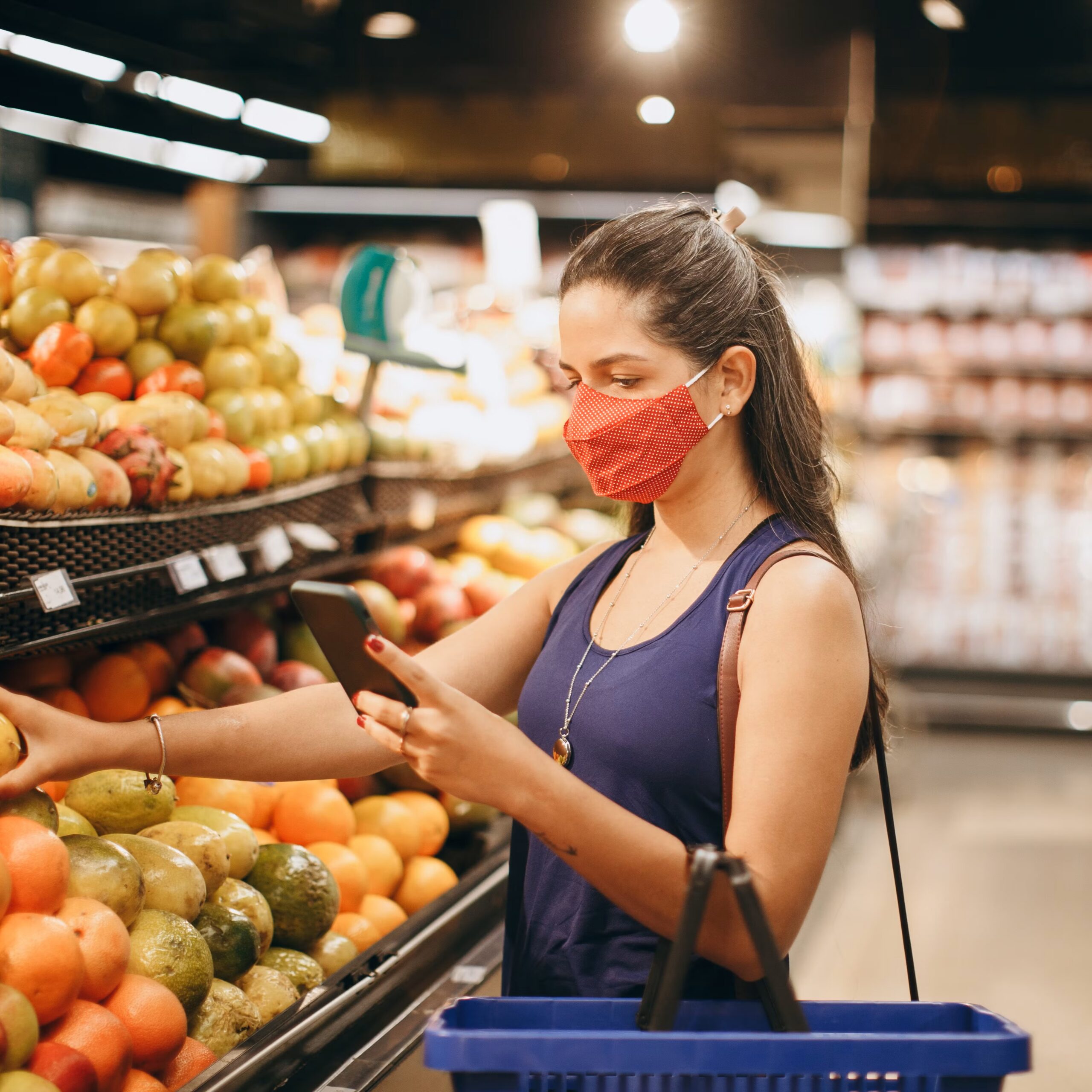
 Have you ever looked at a bright red apple in your kitchen and wondered how it got so perfect?
You probably think you made a great choice at the grocery store. You walked down the aisle. You looked at the pile and picked the best one.
But that apple’s quality was decided long before you ever saw it. It started out in a field miles away. It went through a long journey before it reached your countertop.
We often think food quality is about what we do in our homes. But the truth is, the hard work starts much earlier. If the food is not handled well on its way to you, nothing you do in your kitchen can save it.
Below, we’ll explore why food quality begins long before the food reaches your kitchen.
Harvesting at the Right Time Keeps Food Fresh
Think about picking a tomato from a backyard garden. If you pick it while it is still green and hard, it will not have that sweet, juicy flavor we all love. On the other hand, if you leave it on the vine for too long, it will become mushy and attract bugs.
Commercial farming works the same way but on a much larger scale. Farmers have to find the perfect moment to pick crops to ensure they reach your kitchen with the best taste and texture.
When food is harvested at its peak, it contains the highest amount of vitamins and nutrients. It also has the strongest natural defenses against bruising and rot during travel.
Sadly, a lot of food never makes it to our tables because of timing and supply chain issues. According to a 2026 study published in the International Journal of Science and Research Archive, the United States food supply chain loses between 30% and 40% of all produced food before it ever reaches consumers.
This is why experts are pushing for a big change in how we value our crops. “With all the love and labor we put into producing food, we should make sure that every ingredient is put to its highest and best use, ideally in the human supply chain,” says Amanda Oenbring, CEO of the Upcycled Food Association.
Processing Facilities Play a Big Role
After harvest, many food items head straight to processing facilities. They turn raw crops into the convenient foods you love. That is, washed salad mixes, frozen vegetables, canned goods, milled flour, or packaged meats.
They wash, sort, cut, package, and sometimes cook or freeze food within hours of arrival. The best facilities treat every batch with care, using technology to spot defects, remove contaminants, and lock in freshness.
Food processing facilities require strict hygiene to prevent bacterial contamination. Poor sanitation accelerates food spoilage and poses severe health risks to consumers. In the UK, for instance, Salmonella cases are at a decade high. Salmonella infections rose from 10,389 cases in 2024 to 10,406 in 2025.
To prevent these outbreaks, plants rely on deep-cleaning protocols. Keeping a giant food plant spotless is not as simple as wiping down a kitchen counter at home. Food plant cleaning requires a structured sanitation program.
Fayette Industrial notes that structured programs synchronize sanitation efforts with operational schedules, streamline compliance documentation, and foster a culture of clarity and accountability within cleaning teams.
Temperature Control Protects Freshness
After the food is harvested and processed, it gets loaded onto trucks, trains, or planes to travel to distribution centers and grocery stores. During this trip, there is one invisible enemy that can ruin everything very quickly, and that is heat.
According to a 2024 University of Michigan study, the world wastes a third of its food. Better refrigeration alone could stop nearly half of this loss, saving 620 million metric tons of food a year. It would also reduce related greenhouse gas emissions by 41%.
Temperature fluctuations during transport or storage accelerate ripening, bacterial growth, and nutrient degradation. Keeping perishables at the right chill (not too cold to cause freezer burn, not warm enough for bacteria) preserves everything from texture to taste.
You can keep this chain going right at home. Put your groceries away as soon as you get back, and keep your fridge at 40°F (4°C) or lower and your freezer at 0°F (-18°C). Be smart about using the coldest parts of the fridge, and avoid packing the shelves too tightly so cool air can flow freely.
FAQs
1. What can consumers do to check supply chain quality at the store?
Look for firm textures, vibrant colors, and intact packaging. Avoid bruised produce or items with ice crystals, which signal poor temperature control or improper handling during transit.
2. How does soil health affect food quality before harvest?
Nutrient-rich soil directly determines the vitamin and mineral content of crops. If the soil lacks essential nutrients, the harvested food will be less nutritious, regardless of how fresh it looks.
3. Does local food always have better quality than shipped food?
Often yes, because shorter transit times mean crops can ripen fully on the vine. That preserves higher peak nutrient levels and reduces the risk of transport-related bruising or temperature spoilage.
Key Statistics
| Statistic / Metric | Year / Source | Impact & Context |
| 30% to 40% of food supply lost | 2026 (Int. Journal of Science & Research Archive) | Lost in the US supply chain before reaching consumers; costs $218 billion annually. |
| 1/3 of global food wasted | 2024 (University of Michigan) | One-third of all food worldwide is wasted; 41% of related emissions could be cut with better refrigeration. |
| 620 million metric tons | 2024 (University of Michigan) | Amount of food that could be saved globally each year through optimized refrigeration. |
| 10,406 Salmonella cases | 2025 (UK Data) | Up from 10,389 cases in 2024, highlighting the strict need for processing plant sanitation. |
Food quality truly begins long before it reaches your kitchen, in the fields, processing plants, and refrigerated trucks.
You are the final step in this long journey. Once you buy the food, you have to maintain the quality. Put your milk and meat in the fridge right away. Wash your fruits before you eat them. Use a clean cutting board for your vegetables. Store your bread in a dry place. That way, you protect all the hard work that came before you.