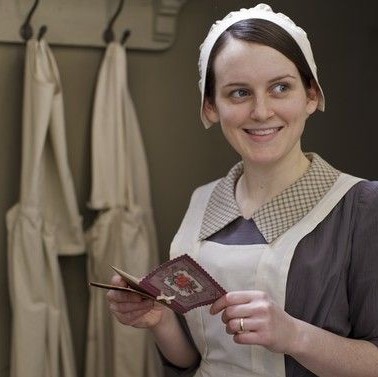
The elegant world of Downton Abbey perfectly captures the romance and refinement of Valentine’s Day celebrations in the early 20th century. During the Downton era spanning 1912 to 1930, February 14th was marked by elaborate social customs, Post-Edwardian Valentine’s Day traditions, and romantic celebrations both upstairs and downstairs that would make even the Dowager Countess approve.
Victorian and Post-Edwardian Valentine’s Day Cards: The Art of Romantic Correspondence
During the 1910s and 1920s, the exchange of Valentine’s cards was an intricate social dance. Ladies and gentlemen of means selected ornate Victorian and Post-Edwardian Valentine cards adorned with silk ribbons, embossed flowers, and delicate lace paper. These weren’t the simple cards we know today—they were works of art, often hand-painted and embellished with actual fabric and pressed flowers.
The Language of Love in Downton’s Era
The era prized subtlety in romantic expression. Young ladies might receive cards signed with merely an initial, leading to delicious speculation in drawing rooms across England. Popular Post-Edwardian Valentine’s verses were remarkably sophisticated, with references to classical literature and poetry—a far cry from today’s simple declarations.
Post-Edwardian Courtship and Valentine’s Day Traditions
For the upper classes, Valentine’s Day in the 1920s offered rare opportunities for romantic interaction within the strict boundaries of social etiquette. A carefully chaperoned Valentine’s tea might be arranged, where young men could present their intentions by gifting flowers, each bloom carrying its own secret message in the language of flowers that remained popular from Victorian times through the 1920s.
Valentine’s Day Below Stairs: How Downton Abbey Servants Celebrated
While the family above stairs exchanged elaborate cards and gifts, the servants weren’t left out of the Valentine’s festivities in Post-Edwardian England. Kitchen maids might receive simple penny postcards from admirers, while footmen and valets could leave small tokens for their sweethearts among the household staff—though always under the watchful eye of the butler and housekeeper.
For housemaids earning £12-20 annually and footmen making £25-40, elaborate Valentine’s gestures were financial impossibilities. The ornate cards that graced Lady Mary’s breakfast tray might cost what a scullery maid earned in a week. Instead, servants exchanged penny Valentine postcards or created homemade valentines using pressed flowers from the estate gardens, ribbon scraps from the sewing room, or handkerchiefs embroidered during rare moments of leisure.
Downton Abbey Romance: Carson and Mrs. Hughes
Senior servants like Mr. Carson and Mrs. Hughes navigated courtship with particular delicacy—their positions demanded propriety and set the tone for the entire household. When Carson finally acknowledged his feelings for Mrs. Hughes, any Valentine’s gesture would have been private and dignified, perhaps a carefully chosen book of poetry or quality writing set that respected her position.
Anna and Bates: Valentine’s Day in Service
For upper servants like Anna and Bates, Valentine’s Day presented its own complications. A lady’s maid’s time belonged entirely to her mistress—Anna couldn’t simply disappear for a romantic moment when Lady Mary might need her. Their stolen moments in linen closets and brief conversations in hallways were the reality of servant courtship in the 1920s, with Valentines tucked into pockets to be read later in the brief privacy of a servant’s bedroom.
Mrs. Patmore’s Kitchen: Valentine’s Treats Below Stairs
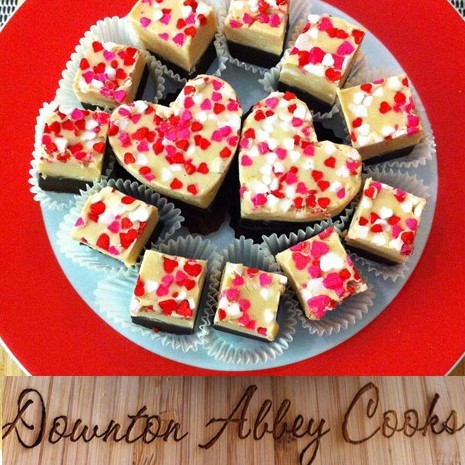
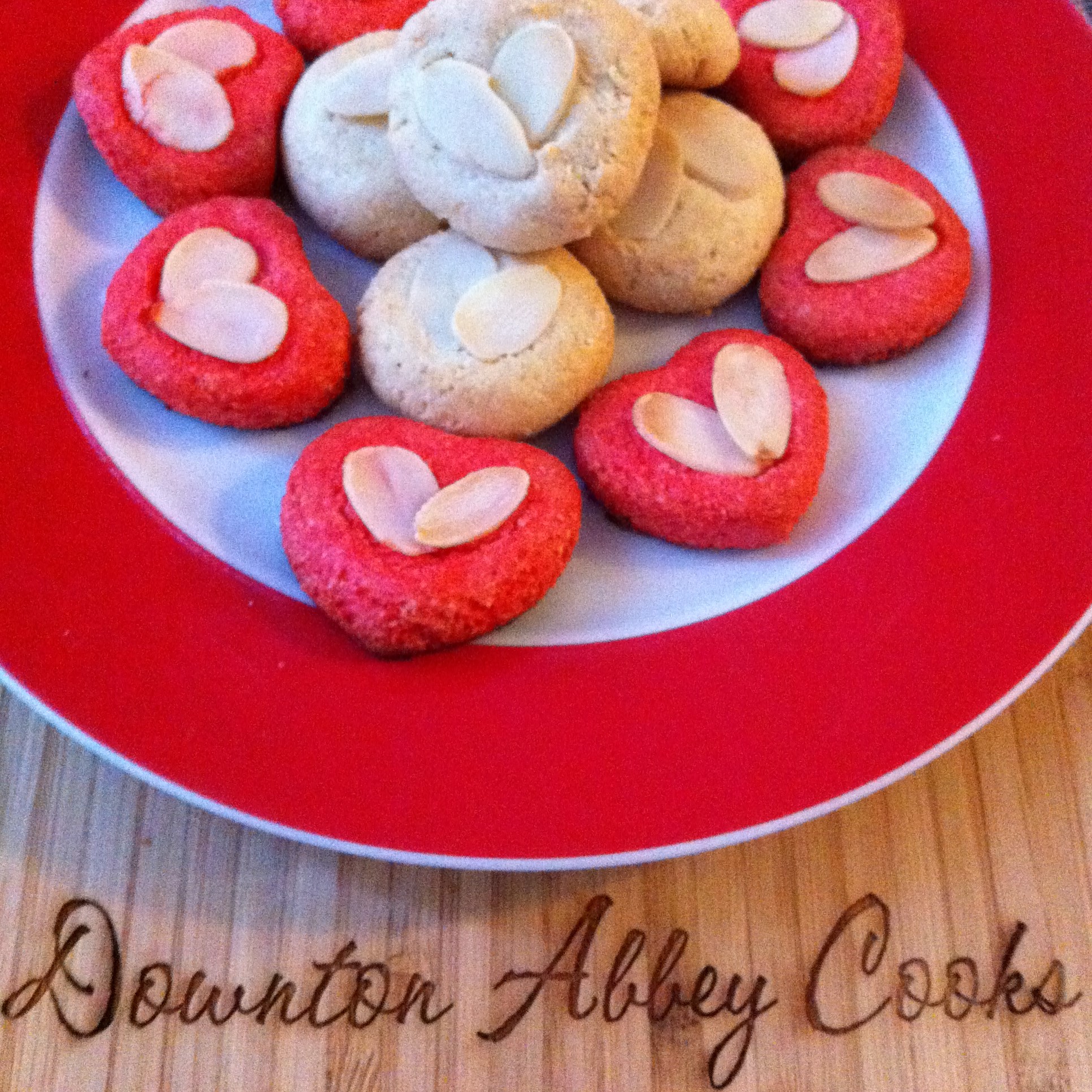
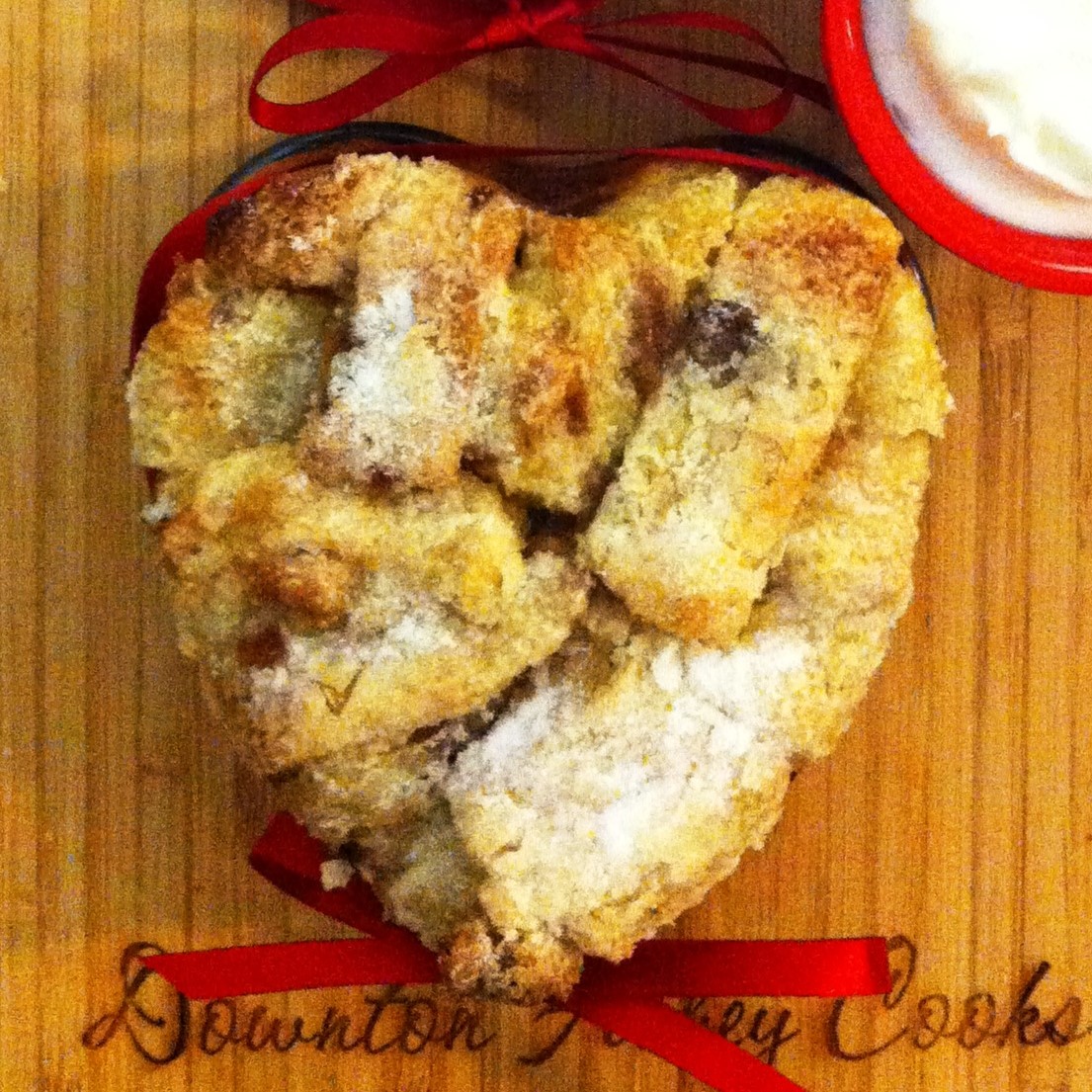
Mrs. Patmore might mark the occasion with special treats at the servants’ hall table, though never acknowledging them as Valentine’s indulgences—that would be too frivolous. She might turn a blind eye to Daisy cutting biscuits into heart shapes, and if time permitted, create a Valentine’s dinner for servants that brought warmth to the hardworking household staff.
Servants’ Hall Valentine’s Day Menu (Historical Recipes):
- Traditional Cottage Pie – savoury minced beef in rich gravy topped with creamy mashed potatoes
- Glazed Carrots and Parsnips – simple roasted root vegetables with butter
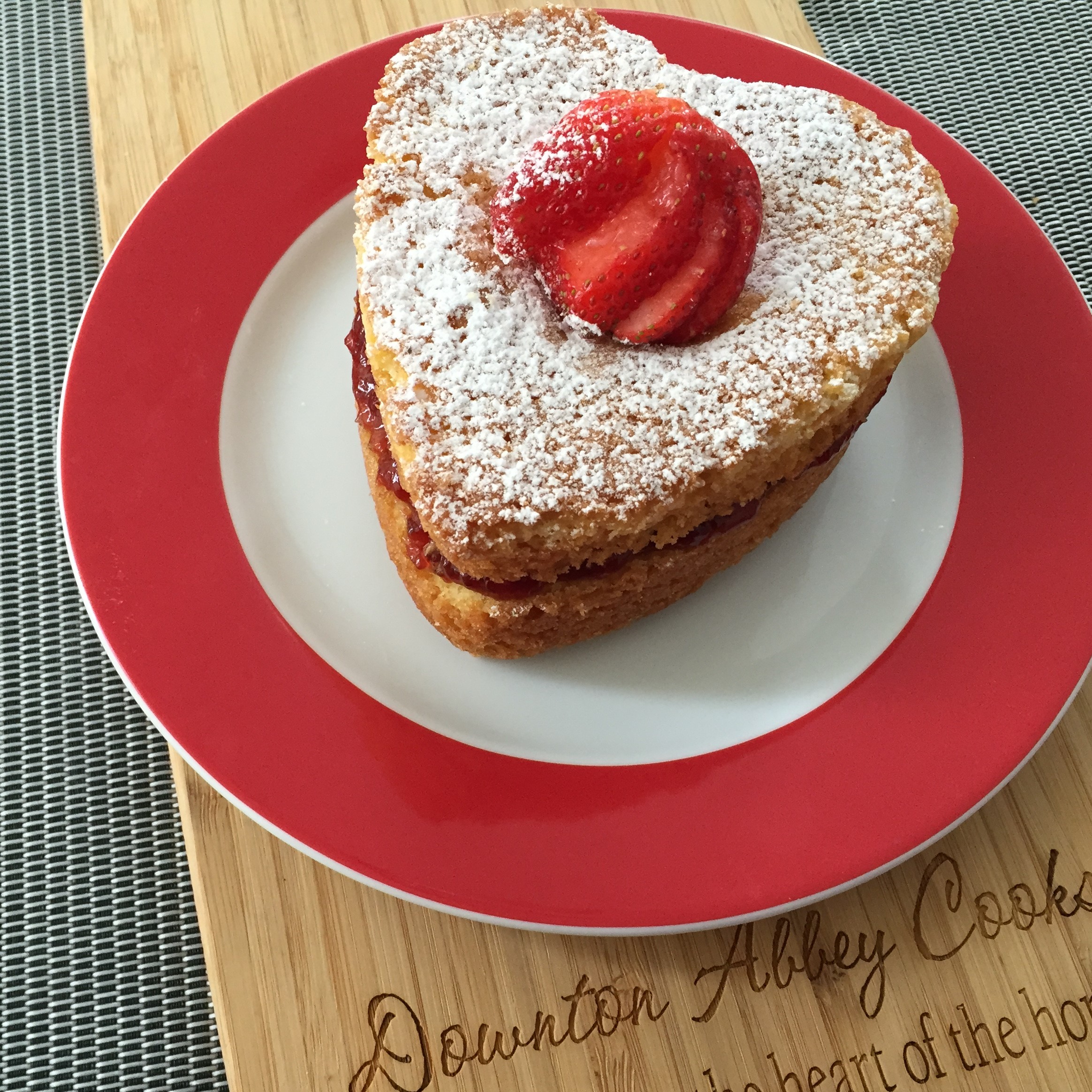
- Heart-Shaped Jam Tarts – buttery shortcrust pastry filled with strawberry or raspberry jam
- British Treacle Tart with Custard – golden syrup filling served warm with pouring custard
- Strong Builder’s Tea – proper tea with milk and sugar, or rich cocoa
The servants’ Valentine’s celebration lacked the elegance upstairs, but made up for it with warmth and genuine affection shared among those who worked side by side. The most meaningful gestures were often the smallest: a cup of tea brought unbidden during a rare quiet moment, a kind word after a difficult day, or taking on an extra task so a sweetheart could retire early.
Post-Edwardian Valentine’s Day Dinner Menu: Upstairs Dining
The era was known for its elaborate dining, and Valentine’s Day in Post-Edwardian England was no exception. A proper romantic Valentine’s dinner menu might include:
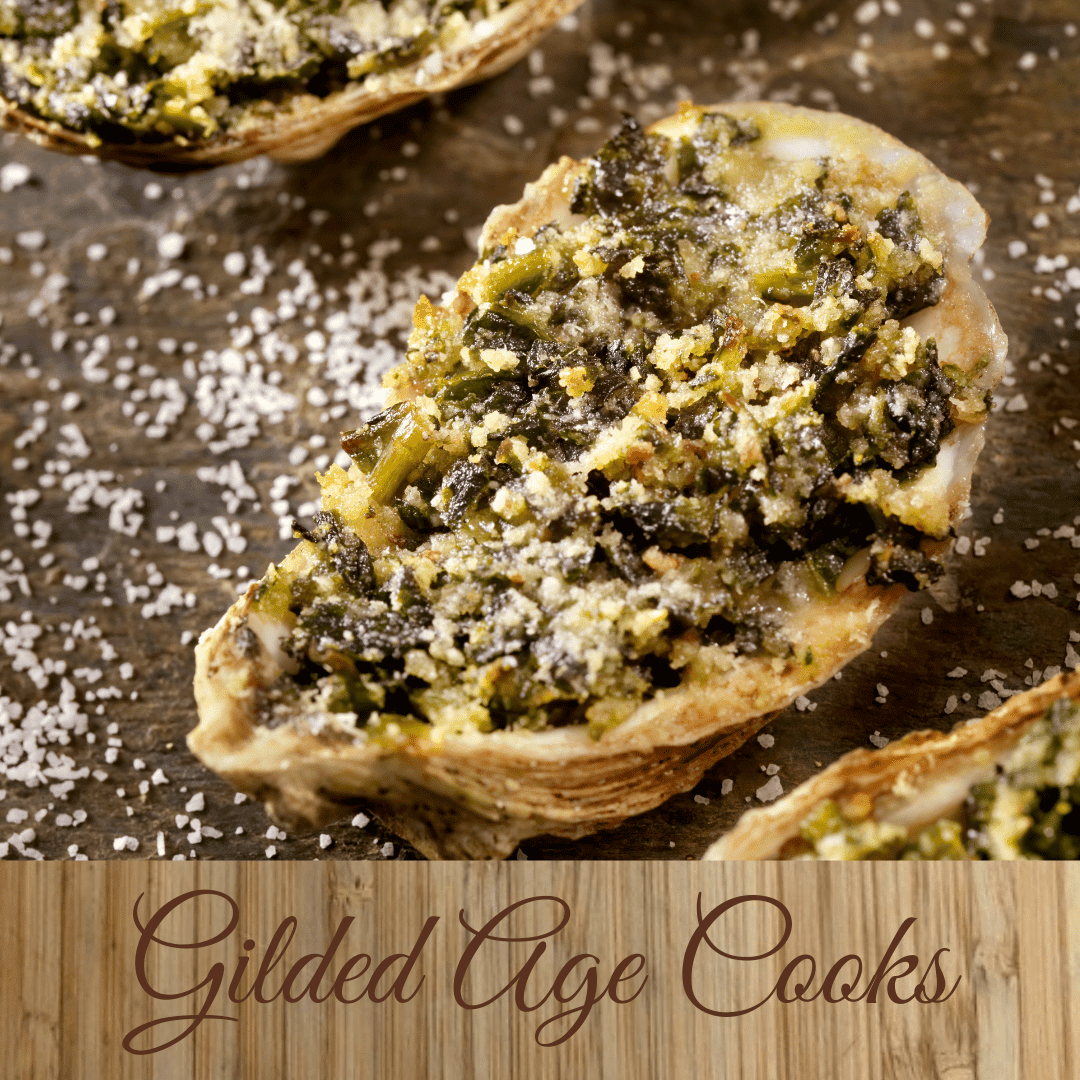
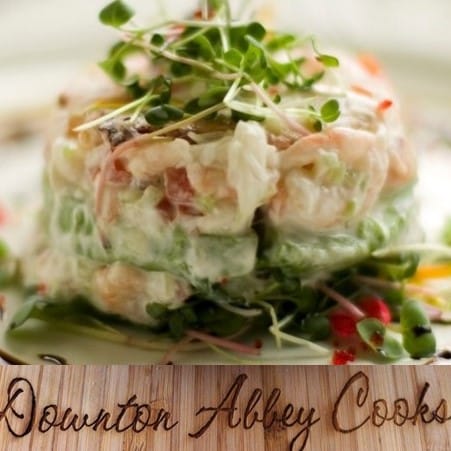
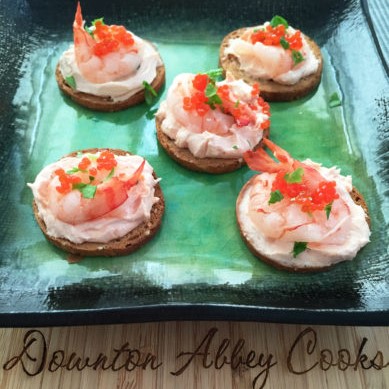
- Oysters served on beds of ice with mignonette sauce
- Rich French Onion Soup – a warming, elegant starter
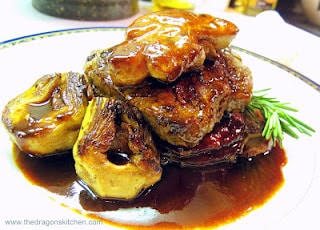
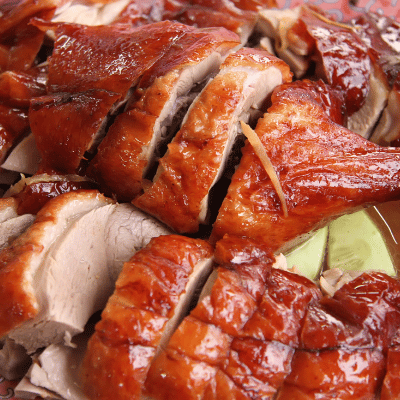
- Beef Wellington or Roasted Duck with Cherry Sauce – impressive centrepiece dishes
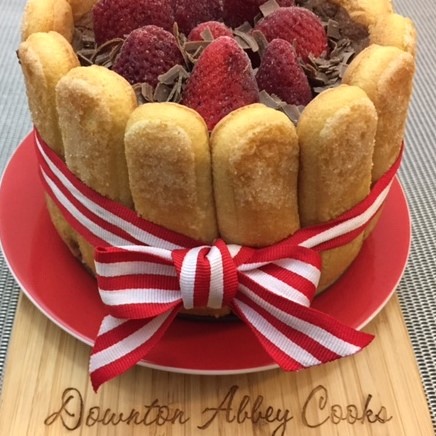
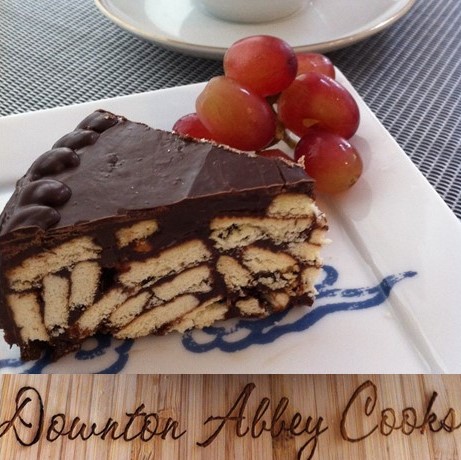
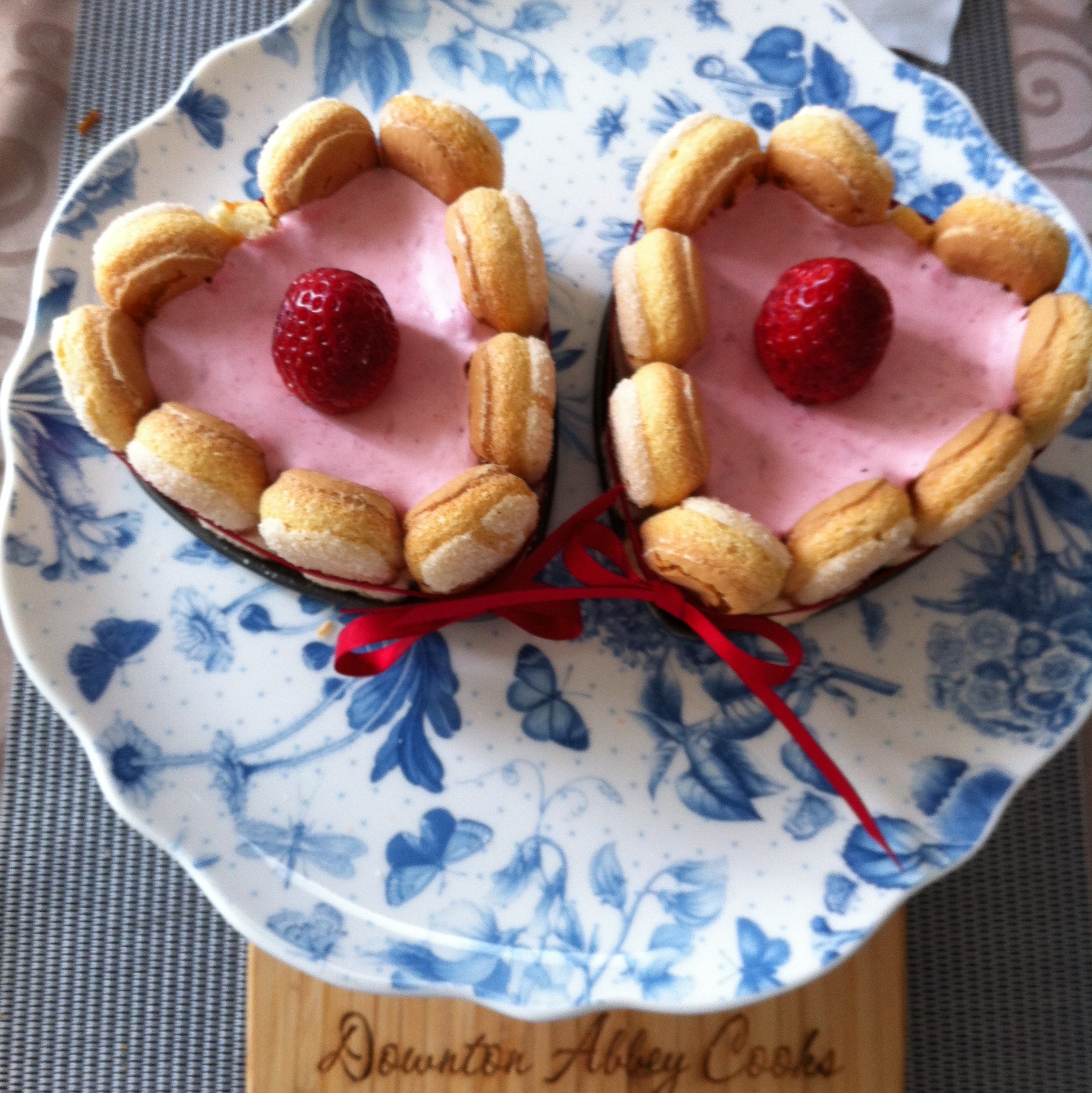
- Charlotte Russe decorated with crystallized rose petals
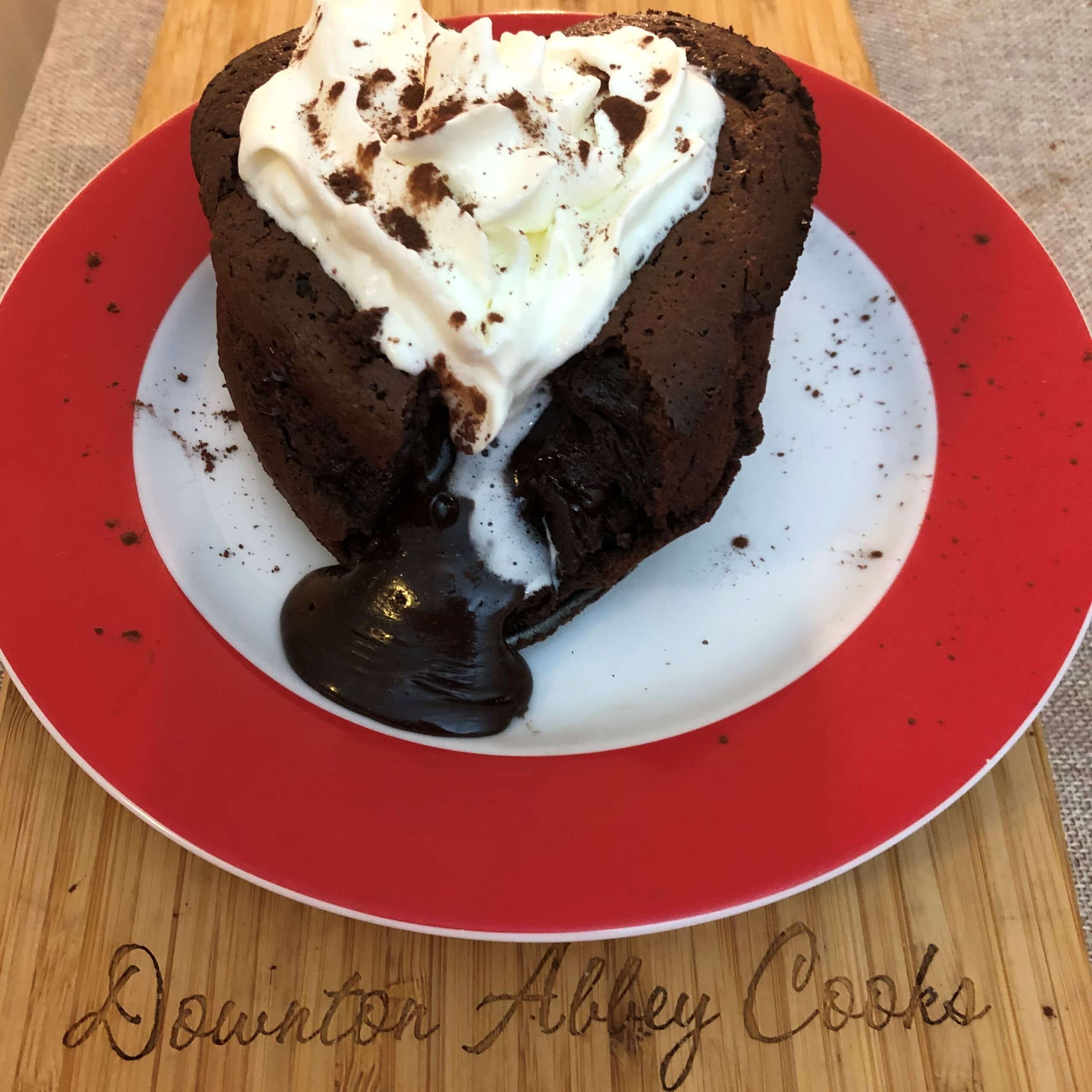
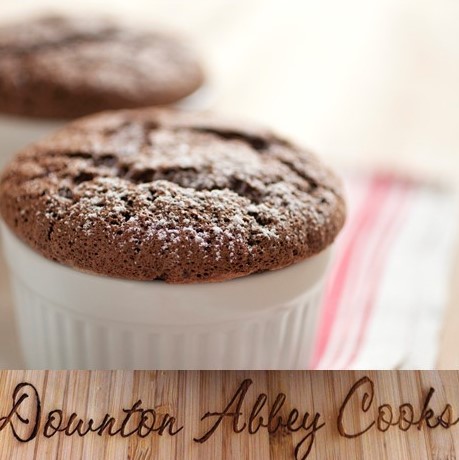
- Hand-moulded chocolate truffles served with coffee in the drawing room
Valentine’s Day Music in the Downton Era
Evening entertainment often centred around the piano in the drawing room, where romantic Post-Edwardian ballads and love songs would be performed. Popular Valentine’s songs of the era included “Let Me Call You Sweetheart” (1910) and “Love’s Old Sweet Song” (1884), which remained favourites well into the 1920s.
Celebrating Valentine’s Day with Downton Abbey Traditions
While we may no longer observe the elaborate social rituals of the Downton era, their Valentine’s Day celebrations remind us of a time when love was expressed through carefully chosen words, meaningful gestures, and exquisite attention to detail. Whether celebrating upstairs with elegant dining or below stairs with hearty British comfort food and warm companionship, perhaps we could all benefit from bringing a touch of this heartfelt sincerity back to our modern Valentine’s celebrations.
In an age before text messages and emoji hearts, Valentine’s Day from 1912 to 1930 represented love at its most authentic—a celebration where every card, flower, gesture, and meal carried deep meaning. Romance flourished both upstairs and downstairs, each in its own way, proving that love transcends social boundaries. It was truly, as Lady Mary might say, “perfectly lovely.”
Romantic Recipe Suggestions