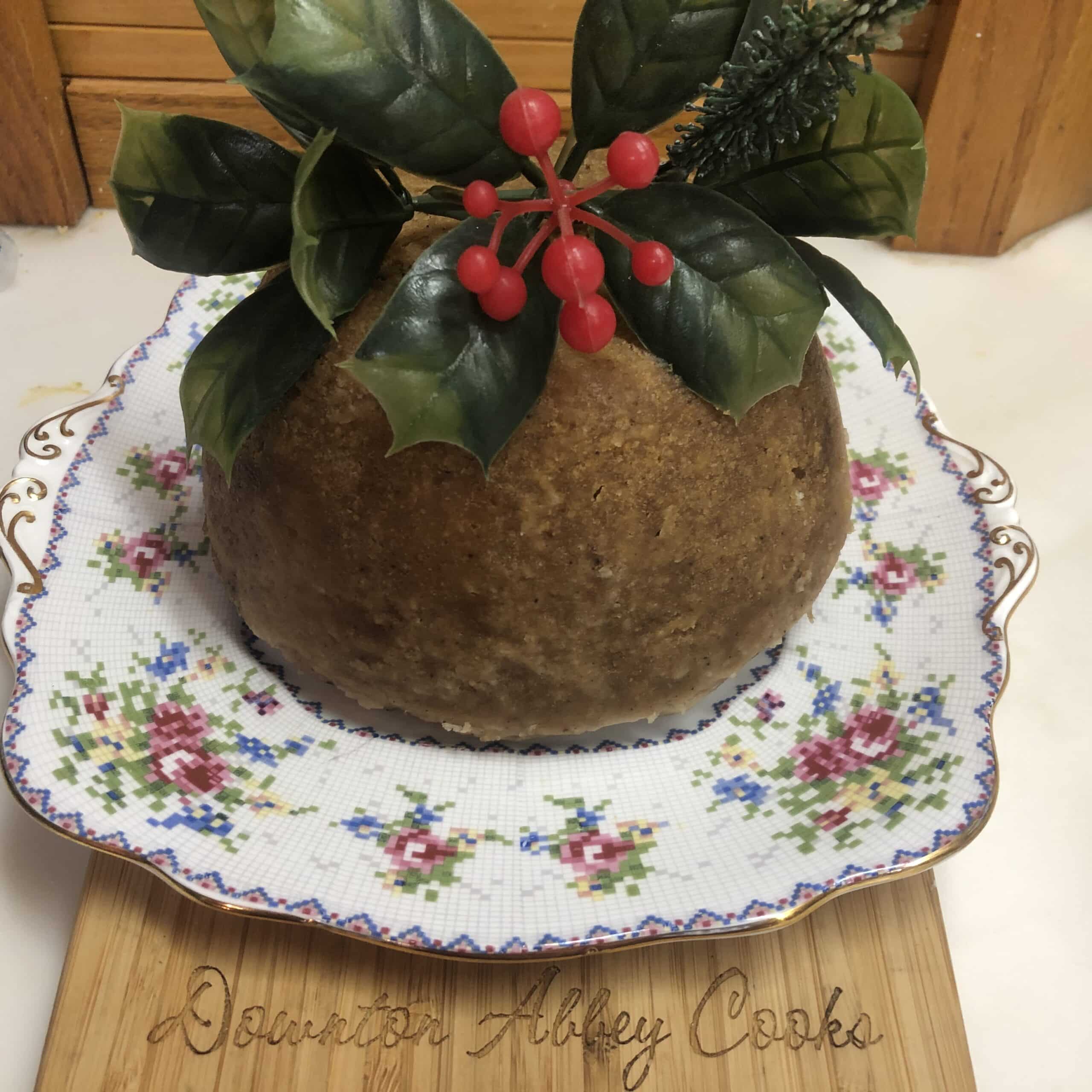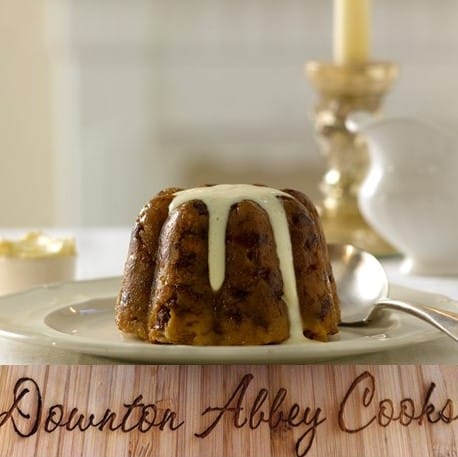
 This Sunday, November 23, kitchens across Britain will fill with the heady scent of brandy-soaked fruit, warm spices, and centuries of tradition. Stir-up Sunday, the last Sunday before Advent, marks the official start of Christmas preparations in British homes, and it’s far more than simply making pudding. It’s a ritual that connects modern families to Victorian ancestors, transforms ordinary kitchens into places of ceremony, and creates the edible centrepiece of the British Christmas table.
The Victorian Roots of a National Tradition
Stir-up Sunday emerged during the Victorian era when the Church of England’s Book of Common Prayer opened its pre-Advent service with the words: “Stir up, we beseech thee, O Lord, the wills of thy faithful people.” Enterprising Victorian housewives seized upon this divine instruction as a timely reminder that Christmas pudding required five weeks to mature before the 25th of December.
What began as clever liturgical timing evolved into one of Britain’s most enduring culinary traditions. From grand country houses like Downton Abbey to modest terraced homes in Manchester and Edinburgh, families gathered to perform the same ritual: stirring, wishing, and binding generations together through the making of Christmas pudding.
Why British Homes Still Honour This Tradition
In our modern age of instant gratification and next-day delivery, Stir-up Sunday stands as a delicious act of rebellion. It demands patience, planning, and presence: qualities increasingly rare in contemporary life. British families continue this tradition because it offers something supermarkets cannot: connection.
The Christmas pudding cannot be rushed. Its magic lies in the alchemy of time, where dried fruits macerate in spirits, suet binds with spices, and flavours deepen into something far greater than the sum of their parts. By beginning preparations on Stir-up Sunday, cooks give their puddings the whole five weeks needed to develop that characteristic, rich, complex flavour that defines a proper British Christmas dessert.
The Sacred Ritual of Stirring
The pudding-making ceremony itself carries profound significance in British homes. Each family member takes a turn stirring the mixture with a wooden spoon, moving from east to west in honour of the Magi who travelled to visit the infant Jesus. As they stir, they make a silent wish—a moment of hope and intention woven directly into the Christmas feast.
Traditionally, the pudding contained thirteen ingredients representing Christ and his twelve apostles. Coins and charms were hidden within the mixture, transforming the Christmas Day pudding service into a treasure hunt. Finding a silver coin promised wealth, a ring foretold marriage, and a thimble suggested thrift—though modern food safety concerns have largely retired this particular custom.
Beyond Pudding: The Complete Stir-up Sunday Kitchen
While Christmas pudding claims center stage, British cooks use Stir-up Sunday to prepare other essential holiday treats. Mincemeat—despite its name, now typically made without meat—benefits enormously from aging. The dried fruits, suet, spices, and spirits meld over weeks to create the filling for those beloved mince pies that grace every British Christmas tea table.
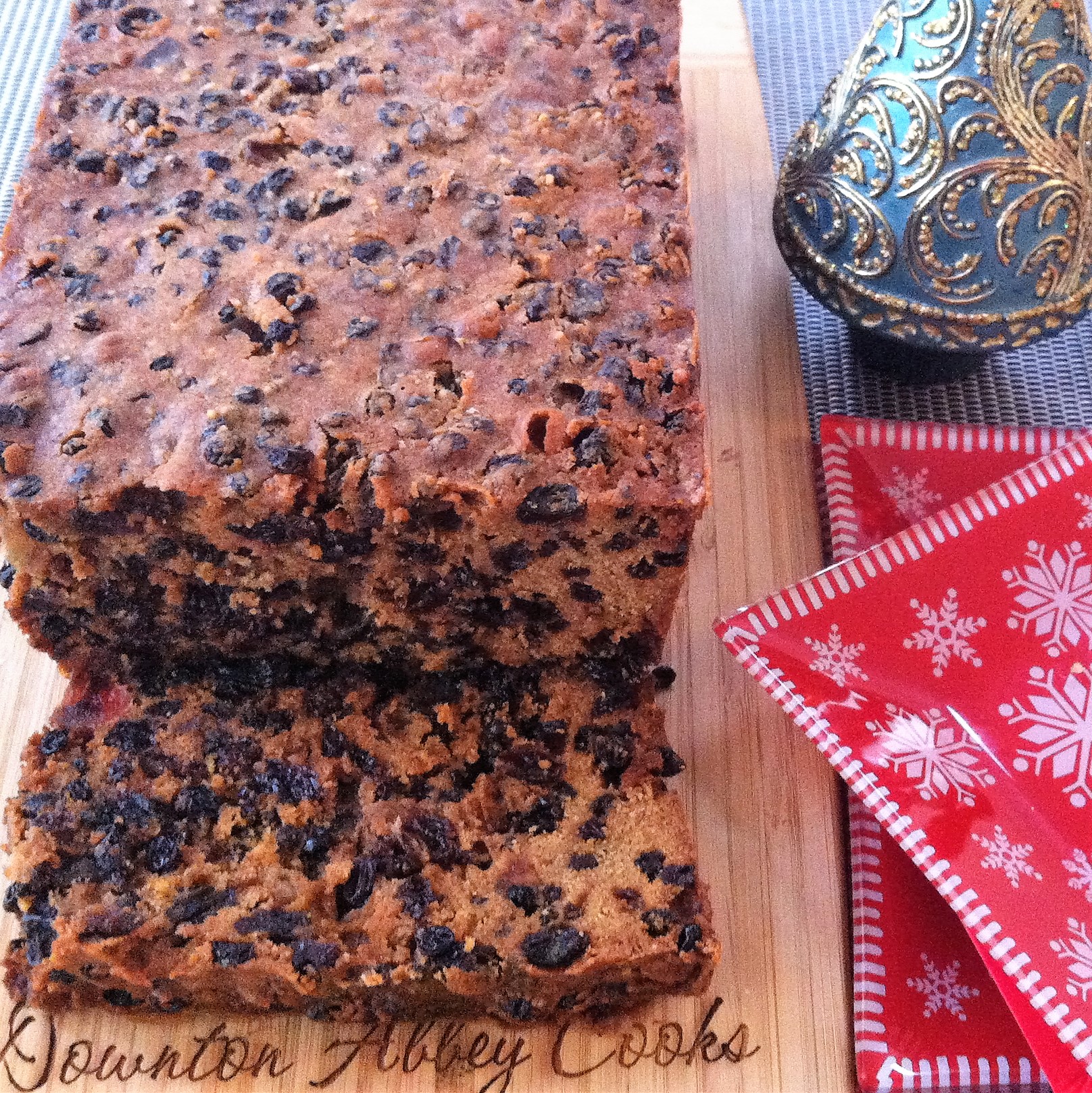
Fruitcake enthusiasts know that longer aging produces superior results. Indeed, some British bakers begin marinating their dried fruit in late summer, bake in November, and regularly brush their cakes with port or brandy in December. Even starting your fruitcake on Stir-up Sunday yields infinitely better results than any shop-bought alternative.
Keeping Tradition Alive in Contemporary Britain
Modern British families have adapted Stir-up Sunday whilst honouring its essence. Some gather for weekend pudding-making parties complete with mulled wine and Christmas carols. Others video-call distant relatives so everyone can stir together despite the miles separating them. Working parents might shift the tradition to Saturday, but the act remains sacred.
What matters isn’t strict adherence to the calendar but the gathering itself—multiple generations crowded into one kitchen, sticky-fingered children learning recipes by heart, stories shared over mixing bowls, and the collective creation of something that will grace the Christmas table. In this way, Stir-up Sunday serves as a bulwark against the increasingly commercial nature of the season, reminding us that the best Christmas traditions cannot be purchased or delivered.
The Enduring Magic of Anticipation
Perhaps Stir-up Sunday’s greatest gift to British homes is the anticipation it inspires. In the weeks following that Sunday stir, the pudding sits in its basin, quietly transforming in a cool, dark cupboard. Children periodically ask, “Is it ready yet?” Cooks might add a splash of brandy to keep it moist. The waiting becomes part of the celebration.
When Christmas Day finally arrives and the pudding emerges, flaming with brandy and crowned with holly, it carries within it all those weeks of anticipation, all those wishes whispered during stirring, and all the care invested in its creation. This is food as memory, as love, as tradition made tangible.
As you prepare for Stir-up Sunday this November 23, remember you’re not simply making dessert. You’re participating in a tradition that has united British homes for over a century, creating something far more valuable than pudding, you’re creating Christmas itself.