
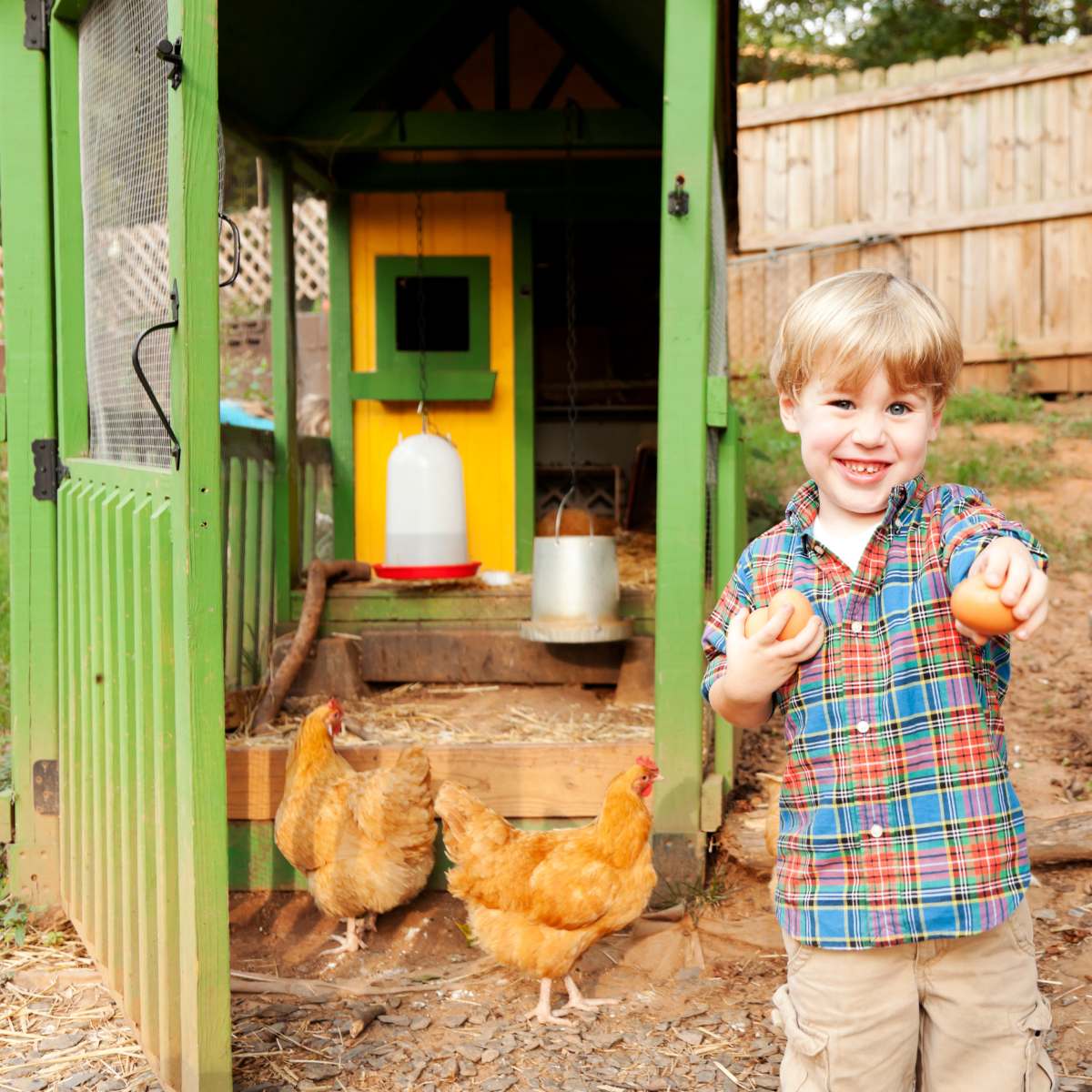
 There’s something really calming about backyard chickens, isn’t there? But when you’re just starting out, it’s totally normal to wonder what they really need. The first thing to figure out is where they’ll live—someplace safe where they can sleep, roam a bit, and just be chickens.
A good coop matters a lot, but so does the space around it. That’s where a chicken run comes in. It gives your flock room to move, peck at the ground, and enjoy the fresh air, without straying too far or getting into trouble with nearby predators.
Well-designed chicken runs also keep your yard in better shape. Instead of letting your birds wander all over your property (and into the neighbor’s), the run keeps everything in one place. This makes cleaning easier and helps control where your chickens dig or peck. It also makes your setup look tidy and organized, which is a bonus if you take pride in your backyard.
Know Your Flock’s Needs Before Buying
Not all runs are created equal. The size of your chicken run mostly depends on how many chickens you have or might add down the road. A simple rule? Give each one around 10 square feet. Four hens? You’ll want to give them about 40 square feet. That’ll give them space to scratch, wander, and just do their chicken thing without stepping on each other’s toes.
Also, think about their behavior. Are your chickens active and curious? Do they like to fly or perch? If so, you might want a run that’s tall enough to stand in or one that includes perches and climbing features. Chickens that get enough stimulation and movement are generally healthier and easier to manage.
Safety Should Always Come First
One of the biggest reasons to build a run is to keep your flocks from all sorts of predators. Predators, such as raccoons, hawks, and even the neighbor’s dog, won’t think twice before going after your flock. A solid and strong run gives your birds room to enjoy the outdoors without putting them in harm’s way.
Covered runs are also helpful, especially in areas with heavy rain, snow, or lots of birds of prey. A roof keeps the inside dry and clean while offering another layer of protection. Even a mesh or wire roof can help block hawks and owls from diving into the run.
Think About the Weather in Your Area
Climate plays a big role in your setup. If you live somewhere hot, your run will need shady spots so the chickens don’t overheat. If it’s cold and snowy, a covered or partially enclosed run helps keep the space usable in winter. Windbreaks or panels can help face the weather, too.
The material of the run matters here as well. Metal and treated wood tend to last longer in different weather conditions. A durable run may cost more up front, but it will save money and effort in the long run. Also, try to place your run in a spot that doesn’t flood easily and gets a mix of sun and shade throughout the day.
Easy Cleaning Makes Life Better for Everyone
It’s easy to overlook at first, but keeping your chicken runs clean is very important for both you and your birds. Scraps, poop, and spilled water can build up faster than you’d think, and before long, you’re dealing with smells, flies, or even sick chickens. A setup that’s easy to clean keeps things simple for you and way more comfortable for your flock.
Look for runs with wide doors, solid flooring, or easy access for raking and sweeping. A removable roof or panels can also help with cleaning. Some people even lay down sand or gravel in the run to help with drainage and make clean-up easier. The easier the cleanup, the more likely you are to keep it up, and your chickens will be better off for it.
Final Thoughts
Raising chickens at home, in your very backyard, is a lot of fun, especially when you’ve got the right setup. A well-planned chicken run gives your flock space to stay active and happy. Whether you build one yourself or go with a pre-made option, think about things such as space, weather, and how easy it’ll be to keep clean. Once it’s all set up, taking care of your chickens starts to feel a lot less like work and a whole lot more like something you look forward to.