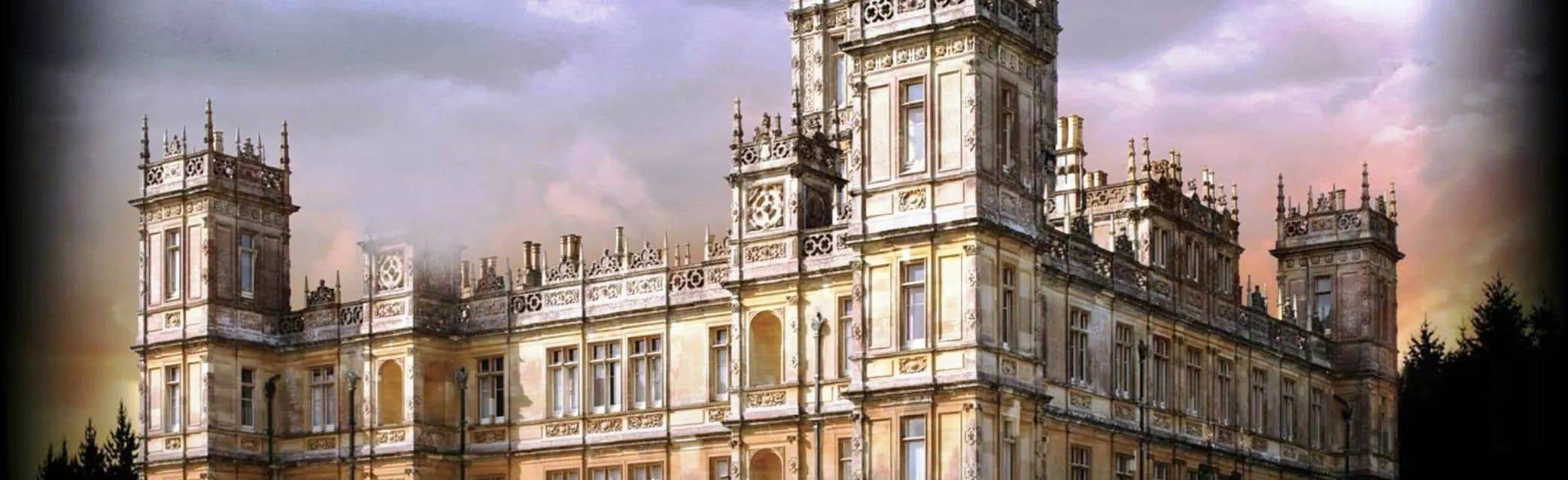
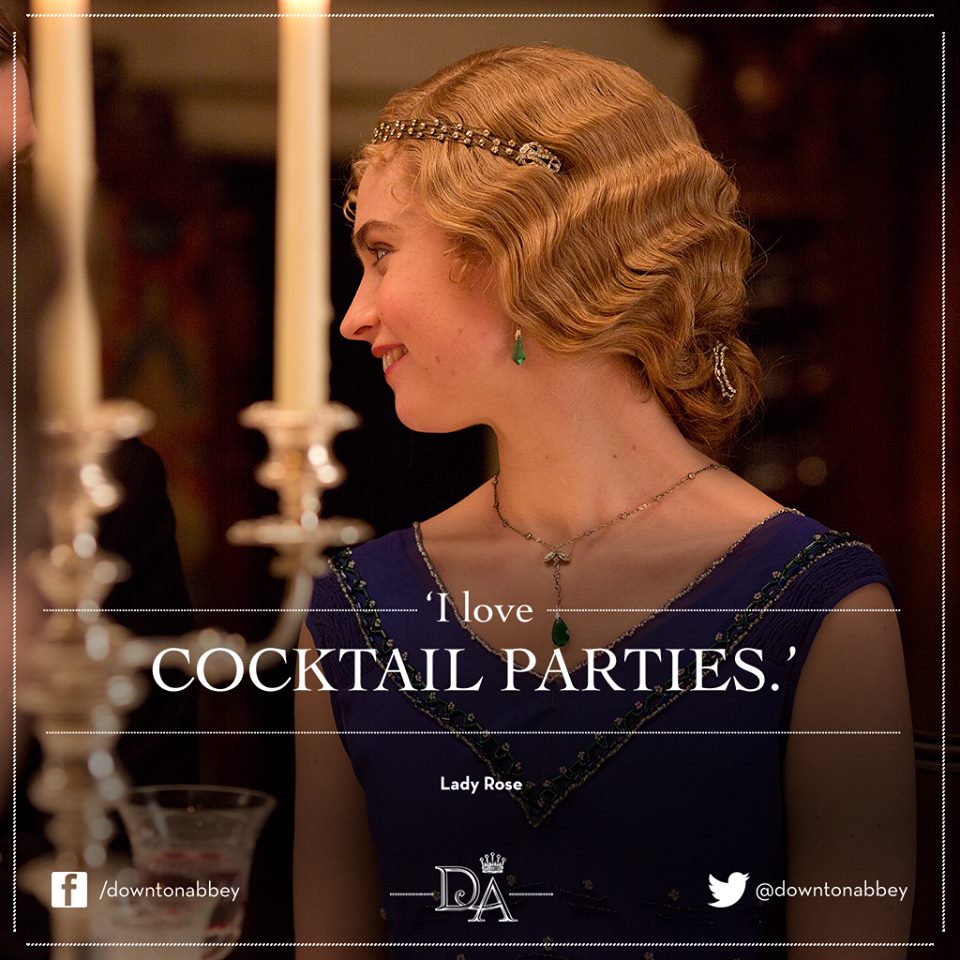
 Step into the drawing room of Downton Abbey in 1930, where the tinkle of crystal glasses mingles with the sophisticated strains of a gramophone, and the old world has fully embraced the new era’s refinements. Plan a cocktail party as part of your celebrations
By 1930, the cocktail revolution had thoroughly transformed British country houses, and nowhere is this more evident than in the now well-established cocktail culture that graced England’s grand estates. While America continued to grapple with Prohibition, the British aristocracy had fully embraced this sophisticated drinking renaissance, with cocktail parties becoming an integral part of social entertainment among the upper echelons of society.
The Historical Context: A New Era Fully Realized
At Downton Abbey by 1930, the Crawley family had completely adapted to the post-war social transformation. The rigid Edwardian entertaining traditions had given way to the relaxed, cosmopolitan customs of the late twenties. Lady Mary, now experienced in London society, would be an accomplished hostess capable of mixing the latest cocktails, while even the Dowager Countess had grudgingly accepted that “these modern conveniences” were here to stay.
The British aristocracy of 1930 no longer walked a delicate line between tradition and modernity—they had successfully merged both. Cocktail parties had become the standard for sophisticated entertaining, representing not rebellion against old ways, but the natural evolution of aristocratic hospitality. However, beneath this veneer of prosperity and sophistication, the sobering reality of the previous October’s Wall Street Crash had begun to cast shadows of economic concern, though the immediate effects had yet to reach the insulated world of Britain’s grandest country houses.
Setting the Scene: The 1930 Downton Drawing Room
Your cocktail party should unfold in the grandest reception room available—the drawing room, now featuring the perfect blend of traditional elegance and modern convenience. By 1929, electric lighting would be fully integrated and accepted, although it was still used with discretion during intimate gatherings. The wireless (radio) might provide background music alongside the gramophone.
Essential Atmosphere Elements:
- Fresh flowers in crystal vases (late autumn flowers like chrysanthemums and dahlias)
- A gramophone or wireless playing sophisticated jazz and dance tunes
- Cigarette boxes were placed prominently on side tables (smoking was now completely socially acceptable for women)
- Small silver dishes of salted almonds, olives, and cocktail onions
- Electric lamps providing warm, intimate lighting alongside traditional candles
The Authentic Beverage Menu
The cocktail revolution of the 1920s brought specific drinks into fashion. Still, a thoughtful host would also provide elegant non-alcoholic alternatives for guests like John Bates, who had given up alcohol, or for ladies who preferred temperance.
Non-Alcoholic Options:
You should make a conscious decision to serve non-alcoholic drinks to your guests. Some Edwardian standards include:
Tea Service – Always appropriate in a British household
- Served in fine china with proper accompaniments
- Earl Grey or English Breakfast in the evening hours
- Accompanied by thin lemon slices and sugar cubes
Fresh Lemonade – A refined refreshment
- Made with fresh lemons and fine sugar
- Served in crystal glasses with ice
- Garnished with a sprig of mint from the kitchen garden
Coffee – Increasingly popular in the evening
- Strong, continental-style coffee
- Served in delicate cups with cream and sugar
- A sophisticated alternative to tea
The Essential Cocktails
Gin Rickey – The most fashionable drink of the mid-1920s
- 2 oz gin
- Juice of half a lime
- Club soda
- Served in a highball glass with ice
Sidecar – Sophisticated and continental
- 2 oz cognac
- 1 oz Cointreau
- 1 oz fresh lemon juice
- Sugar rim on a coupe glass
Manhattan – For the gentlemen
- 2½ oz rye whiskey
- 1 oz sweet vermouth
- 2 dashes Angostura bitters
- Maraschino cherry garnish
Clover Club – The ladies’ preference
- 2 oz gin
- ½ oz fresh lemon juice
- ½ oz raspberry syrup
- 1 egg white
- Served in a coupe glass
Check out these cocktails named after your favourite characters.
Alternative Alcoholic Options
You may recall that Mary warned Sir Richard, “I could ask Carson to make one for you, but I can’t guarantee the result.” But after Lady Rose spiced things up at the Abbey, feel free to raise a toast to Season 5 with your favourite beverages. If you don’t trust Carson to mix drinks, consider these wines, spirits and liqueurs for your guests:
Champagne or Sparkling Wines – A great celebratory drink to toast each occasion
- French Champagne for special celebrations
- English sparkling wines were gaining recognition in the 1920s
- Served in tall flutes for elegance
Madeira – A Dowager Countess’ favourite
- Edwardians loved Madeira, and any fortified wine (sherry, brandy) would be a fitting tribute to the Dowager Countess
- Served in small glasses as an aperitif
- A sophisticated choice for older, more traditional guests
Fine Wines – Always a great choice
- Burgundy and Bordeaux for the discerning palate
- German Rieslings were popular among the educated classes
- Served at proper temperature in appropriate stemware
Scotch Whisky – A favorite of the Crawley men
- Single malt for an upstairs crowd
- Served neat or with a splash of water
- Never with ice, which was considered American
Pimm’s – A popular British gin-based drink
- Perfect for summer entertaining in the lower states
- Traditional garnish of cucumber, mint, and fruit
- A refreshing alternative to stronger cocktails
The Service Style
In a proper 1920s country house, cocktails would be mixed by the host or a designated guest—never by servants, as this was considered too modern and American. The butler might provide ice and glasses, but the actual preparation was part of the entertainment.
Authentic Canapés and Savories
The food served at a Downton Abbey cocktail party would reflect both British traditions and cosmopolitan influences:
Traditional British Selections:
- Anchovy toast – Thin brown bread with gentleman’s relish
- Deviled eggs – A country house staple, elevated with a touch of curry powder
- Potted shrimp on oatcakes
- Cheese straws – Made with sharp Cheddar and a hint of cayenne
Continental Influences:
- Smoked salmon canapés on triangles of white bread
- Caviar on toast points – Russian caviar was still readily available
- Stuffed olives – A newfangled Mediterranean touch
- Canapés à la Russe – Small savory pastries with cream cheese and herbs
Music and Entertainment
The gramophone or wireless would play:
- Sophisticated jazz arrangements by bands like Jack Hylton and His Orchestra
- Popular songs of 1930 like “Ain’t Misbehavin'” and “Happy Days Are Here Again”
- Dance tunes suitable for the drawing room
- Cole Porter and Irving Berlin compositions
- Perhaps some light orchestral pieces for variety
The Social Etiquette of 1930 Cocktail Culture
Understanding the social dynamics by 1930 shows how established these customs had become:
For the Ladies: Cocktail consumption was now completely normalized and sophisticated. Women could drink, smoke, and engage in business or political conversations with confidence. The modern woman of 1930 was expected to be knowledgeable about current cocktails.
For the Gentlemen: The cocktail hour had become essential for business networking and political discourse. The informal atmosphere allowed for frank discussions about the changing economic climate and modern concerns.
Conversation Topics: The latest West End productions, motor car innovations, wireless programs, fashion from Paris, and carefully considered economic observations (though nothing too pessimistic). The conversation would be more sophisticated and worldly than earlier in the decade.
Dressing the Part: 1930 Fashion
For Ladies:
- Longer hemlines (just below the knee) in elegant fabrics
- Bias-cut dresses are beginning to show the female silhouette
- Pearl necklaces (both long and short strands)
- T-bar shoes with Cuban heels
- Hair in sophisticated finger waves or sleek bobs
- More elaborate jewelry was becoming fashionable again
For Gentlemen:
- Black tie was still not required for cocktails (that remained for dinner)
- Well-tailored lounge suits with waistcoats
- Wristwatches were now acceptable for younger men
- Pocket watches are still preferred by older gentlemen
- Well-polished Oxford or brogue shoes
Creating Your Own 1930 Downton Abbey Cocktail Experience
To host your own authentic 1930 cocktail party:
- Start at 6:30 PM – Cocktail hour was now a firmly established tradition
- Expand your guest list – By 1930, cocktail parties could accommodate 12-20 people comfortably
- Prepare drinks with confidence – Cocktail making was now a respected social skill
- Encourage sophisticated conversation – Guests expected worldly, informed discussion
- Plan for 2 hours – Cocktail parties had become more elaborate affairs
A Toast to an Era Perfected
The 1930 cocktail party at Downton Abbey represents the culmination of a decade’s worth of social evolution. By this time, centuries-old British entertaining traditions had been perfectly harmonized with international sophistication. Lady Edith could discuss her successful publishing career over a perfectly mixed Gin Rickey, Carson had mastered the art of proper cocktail service, and even the Dowager Countess had come to appreciate that “progress, properly managed, need not destroy elegance.”
This was the moment when the old world and the new had achieved perfect balance—a sophisticated, confident society that honoured tradition while embracing modernity with grace and style.
Raise your glasses to 1930—a year when everything seemed possible, and elegance reached its zenith and Downton Abbey: The Grand Finale.