
Look Mosquito attraction habits are influenced by a combination of factors that make some people more appealing to these insects than others. You attract mosquitoes mainly through the carbon dioxide you exhale, your body heat, and the unique chemical signals released by your skin and sweat. Genetics and metabolism play key roles in producing these signals, meaning your biology directly impacts how attractive you are to mosquitoes.
Other elements, such as your blood type, the clothes you wear, and even what you eat, can increase or decrease mosquito attraction. For example, certain foods and drinks can alter your skin’s scent, making you more noticeable to mosquitoes. Understanding these habits can help you identify why mosquitoes seem to target you more often and guide you in reducing their bites.
Understanding Mosquito Attraction Habits
Mosquitoes do not randomly target people. Their attraction depends on specific signals and environmental cues. Knowing how these factors work helps you manage and reduce mosquito bites effectively.
Key Factors That Attract Mosquitoes
Your body produces several chemical and physical signals that mosquitoes use to find you. Carbon dioxide from your breath is an intense attractant. Mosquitoes also respond to skin odors created by bacteria and natural body secretions.
Body heat plays a crucial role, guiding insects toward warm areas. Sweat increases your appeal by adding moisture and certain compounds like lactic acid. Genetics influence these factors, meaning some people naturally emit scents that attract more mosquitoes.
Other factors include blood type and the amount of skin exposed. Dark clothing tends to catch their attention more than light colors. Understanding these habits can help you adjust your choices to reduce mosquito attraction.
Behavioral Patterns of Mosquitoes
Mosquitoes rely heavily on sensory receptors located in their antennae and maxillary palps to detect humans. They are susceptible to carbon dioxide spikes and body heat changes.
Their activity peaks during dawn and dusk, times when you are most at risk. Mosquitoes tend to hover near areas with human movement and preferred scents. Some species are persistent in following their targets for extended periods.
They also use olfactory cues to differentiate between individuals based on the unique mix of body chemicals. Recognizing these behavioral traits can help you time outdoor activities to avoid peak mosquito activity.
Environmental Triggers
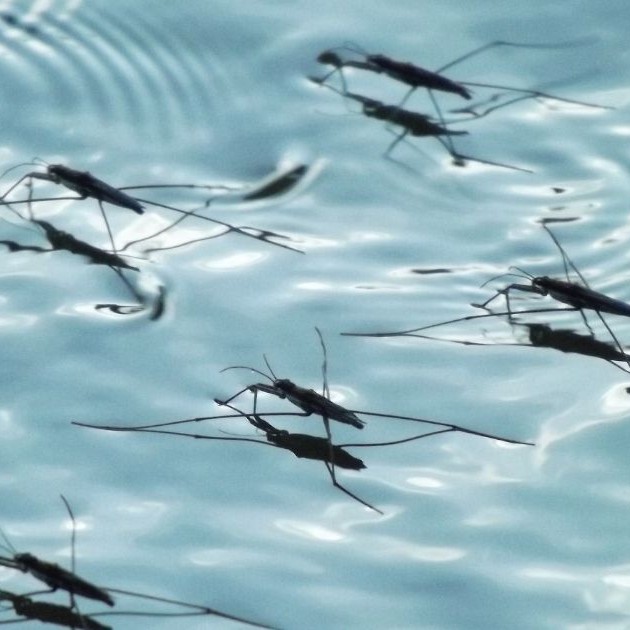 Environmental conditions heavily influence mosquito attraction habits. Warm temperatures increase mosquito activity, while humidity provides the moisture they need to survive and reproduce.
Standing water is critical because it serves as a breeding site. Areas near stagnant water or dense vegetation attract mosquitoes in large numbers.
Wind can disperse or concentrate mosquito activity. Calm, humid evenings often lead to swarms near human populations. By understanding these environmental triggers, you can make strategic changes to your surroundings to lower mosquito presence.
Mosquito Breeding Grounds and Local Species
Mosquitoes in Fort Worth breed in a variety of water sources, both natural and artificial. Understanding where these breeding grounds are and which species thrive locally will help you take targeted actions to reduce their presence and prevent infestations.
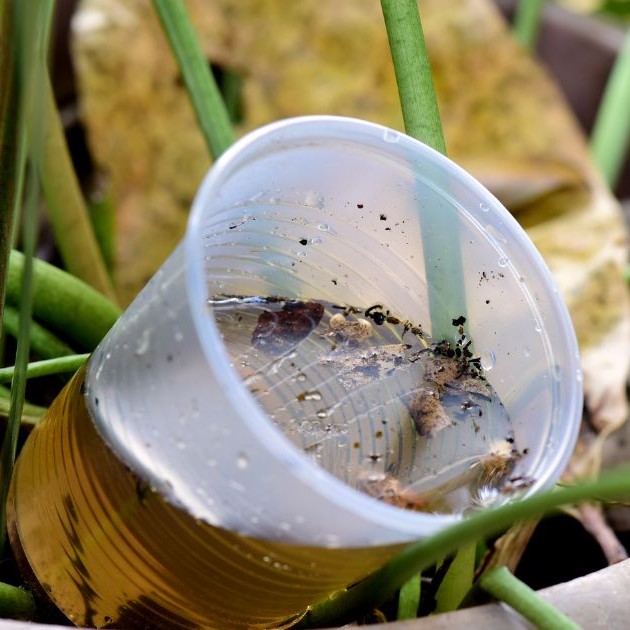
Primary Mosquito Breeding Locations
Mosquitoes require stagnant water to lay eggs. Common breeding sites include bird baths, clogged gutters, pet water bowls, and any containers that collect rainwater, even as small as a bottle cap.
In Fort Worth, rice fields and livestock watering troughs are also key breeding grounds due to their prolonged flooding. Leaves and debris in ponds or fountains can trap water, creating hidden breeding spots.
To limit mosquito breeding, regularly drain or clean standing water sources around your property. Store wheelbarrows and tools upside down to avoid water collection. Using biological controls like mosquito dunks in ponds can reduce larval development.
Types of Mosquitoes Found in Fort Worth
The Culex genus is common in Fort Worth and serves as the vector for West Nile virus. These mosquitoes prefer to lay eggs on stagnant water surfaces in rafts that hatch within days.
Aedes aegypti, known for spreading diseases like dengue and Zika, often breeds in urban environments, favoring small water collections in containers and tires.
Different species have varying breeding preferences, but all rely on easily accessible water sources. Knowing which mosquitoes are present helps you focus prevention efforts effectively.
Patterns of Mosquito Infestations
Mosquito populations in Fort Worth increase during warm months due to faster breeding cycles. They are attracted indoors through open doors, unscreened windows, and cracks, especially near mosquito breeding grounds.
Local wildlife such as raccoons and amphibians contribute to mosquito survival by providing blood meals and breeding opportunities near natural water sources.
Your best defense is maintaining your yard and home to prevent water collection and block mosquito entry points. Frequent yard maintenance and using screens on doors and windows reduce infestation risk.
Mosquito Entry and Indoor Presence
Mosquitoes enter your home primarily through specific openings and are drawn indoors by factors like moisture, warmth, and dark resting spots. Understanding how they gain entry and what attracts them inside is crucial for reducing their presence and risk of bites.
Pathways for Mosquitoes Entering Homes
Mosquitoes often enter homes through large and small gaps, with open windows, doors, and ventilation points serving as common entry points. In Fort Worth, species like Culex and Anopheles mosquitoes frequently use open eaves, unscreened windows, and cracks around doors to get inside.
Another significant pathway includes pet doors and damaged or missing window screens. Mosquitoes actively seek access to indoor environments where conditions are favorable for resting and breeding. Narrow cracks around pipes or utility entries also allow them to slip indoors unnoticed.
Sealing these openings is critical. Use weather-stripping on doors, repair or install window screens, and close attic vents where mosquitoes may enter. Eliminating these entry points dramatically reduces the number of intruders in your living spaces.
Common Indoor Attractants
Inside your home, mosquitoes are attracted to standing water sources such as pet water bowls, plant saucers, and even small accumulations of water on bathroom floors. Warm temperatures inside create an inviting environment for these insects, which prefer humid and dark areas for resting.
Carbon dioxide released during your breathing and certain skin compounds like carboxylic acids also draw mosquitoes indoors. Low light conditions often guide mosquitoes to indoor corners, closets, and other shaded areas where they rest.
To reduce indoor mosquito presence, regularly empty and clean water containers, use fans to reduce humidity, and consider natural repellents near entryways. Monitoring these attractants helps prevent mosquitoes from settling and breeding inside your home.
Mitigating Mosquito Indoor Activity
To minimize mosquito activity indoors, start by eliminating standing water and moisture accumulation immediately. Maintaining dry conditions in kitchens, bathrooms, and basements disrupts potential breeding sites and reduces mosquito populations.
Use physical barriers such as window and door screens, and consider installing door sweeps to close gaps. Fans or air conditioning reduce mosquitoes’ ability to fly comfortably inside.
If mosquito invasion persists despite these measures, professional help is advisable. Critter Stop provides expert, humane mosquito control and wildlife removal services in Fort Worth. You can call Critter Stop at (214) 234-2616 for a free inspection. Their reputation for high-quality work and exceptional customer service ensures your home will be better protected from indoor mosquito issues.