
 Winter is often the most challenging season for bee colonies, especially for small-scale and backyard beekeepers. While bees are naturally resilient, winter places added stress on their food stores, energy levels, and overall health. Many colony losses don’t occur because winter is unusually harsh, but because small details are missed earlier in the season.
New and experienced beekeepers sometimes assume that a strong-looking hive or a good honey harvest in summer guarantees winter survival. In reality, winter success depends far more on preparation than on seasonal productivity. Factors such as timing, moisture control, hive placement, and disturbance levels play a major role and are often recognized too late. In this blog, we will let you know the mistakes small-scale beekeepers commonly make when preparing a beehive for winter and ways to overcome them.
Why It’s Important to Prepare the Bee Hive for Winter
It is essential to winterize a beehive since the survival of a colony during the winter months will impact its vigor during the next months. Wintering is distinct since the bees cannot easily recover their strength during the winter months, due to the absence of food, or any form of distress within the hive will make the bees weaker.
Bees in winter rely solely on their storage of food and their energy-saving mechanism of forming a winter cluster. Inappropriate preparation will ensure a stable internal hive temperature, making it easier for the bees to survive instead of trying to overcome external circumstances.
This will avoid disturbance in the hive that will disrupt the winter cluster and increase energy loss in the hive. Preparation in small-scale beekeeping means a lot in determining whether a healthy hive survives winter or not.
Common Errors Usually Faced by Small-Scale Beekeepers
Most beekeepers will prepare for the winter only when the first cold front approaches, and this can sometimes come too late. Winter survival for bees depends on anticipating and not falling prey to some of the mistakes made in the process. Here are some mistakes that you might have been making when preparing bee hives and their solutions.
Thinking Winter Prep Starts Too Late
Many beekeepers with small apiaries do not get the hives ready until the weather turns cold. By then, a significant portion of the food stores is already consumed by the bees, and the colony could be too weak to recover in the spring.
Late preparation also leaves less time to address issues relating to low food, pests, or hive damage that can become serious during winter.
Solution
Winter preparation should be done when the temperature is still not too low, in early fall. Food stores should be checked, any damage to the hive repaired, and it should be clean and well-ventilated.
In this case, the head start will give time for the colony to gain in strength and store enough food reserves to go into winter in a much healthier state.
Assuming a Good Honey Harvest Means Enough Food
It is commonly believed by many beekeepers that when there is plenty of honey in summer, this is an indication of the colony having enough food to last through winter. This is not true because it is possible to have a colony low on supplies even after it has had a good summer.
This is because the energy levels of the bees are high in winter, even when it is freezing. If the supplies are underestimated, the colony may starve before spring.
Solution
Don’t trust the assumptions; check the food stores of the hive before winter. The weight test may do the trick to see if the stores of honey are sufficient in the hive. If the stores are found to be poor, supplemental feeding may begin in the fall to allow the bees to store the food.
Concentrating on Cold While Overlooking Moisture
While many beekeepers are concerned about the possible effects of low temperatures in winter, it is generally the moisture levels in the hive rather than the temperature. The rising warmer temperatures in the hive cause condensation to form on top of the roof in contact with the cold roof surface.
This condensate then falls back into the hive. Such moist conditions make the bees more susceptible to diseases; then again, the bees may succumb to freezing temperatures.
Solution
Enhance ventilation and control moisture within the hive. Ensure that the hive receives sufficient ventilation without generating any drafts in the hive. This can be achieved through top ventilation or the incorporation of a moisture-capturing agent.
This will promote dry conditions within the hive, thus optimizing the clustering habits of the bees in preparation for wintering.
Skipping Insulation Because of Overheating Fears
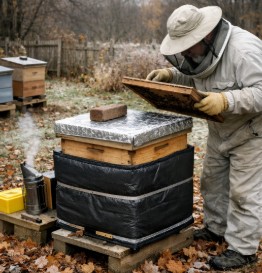
Some beekeepers do not insulate their bees’ hives as they fear that insulation will cause the bees to get excessive heat. Although excessive heat can be problematic in summer, insulation in winter will primarily result in regulating the temperatures and preventing heat loss. If the bees’ hives are not insulated, extreme temperatures will result in the bees having to expend more energy to stay warm.
Solution
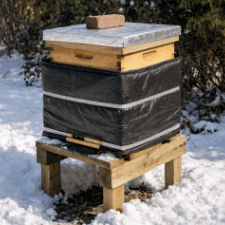
Insulation or a simple wind shield can be utilized in an effort to slow the loss of heat, thereby regulating a healthy temperature inside the hive. This is not about heating the hive but rather about slowing the rate of temperature change or drop.
This will help the bees save energy and remain healthy throughout the winter season. Some beekeepers may prefer basic ways of insulating, while some may consider purchasing winter bee hive wraps for sale.
Overlooking Entrances and External Threats
Many beekeepers neglect that entrances and the area around the hive also need attention during winter. Snow, leaves, and debris can block the entrance, thereby trapping bees inside and reducing airflow.
In addition to these problems, strong winds can also cause drafts that chill the colony. Also, cold weather makes hives attractive to pests such as mice that can enter through small gaps in the hive and cause damage to the comb or disturb the bees.
Solution
Keep the entrance free from snow and debris during winter. Place a small entrance reducer on the hive to eliminate drafts yet still allow for airflow. Look for signs of pests and then seal gaps that could admit mice or other animals.
Proper entrance management will ensure that the hive remains safe and sound and in a position to sustain optimal conditions.
Transferring or Positioning the Hive Without Proper Planning
Some beekeepers will move their hives or position them in the wrong spot without thinking about the implications of the winter environment. When you locate your hive in a spot where it is windy and shaded, it will lose heat faster. If the ground in the area has wet or flooding issues, it will keep the hive cold and wet.
Solution
Ensure the location of the hive is sheltered from strong winds and receives adequate sunlight during the day. If possible, place the hives on elevated platforms to prevent the possibility of waterlogged soil around them. This is especially important in functions that require optimal temperature within the colony over the winter months.
Disrupting the Beehive Too Frequently
Opening and closing the hive too often in winter can disturb bees and affect their cluster formation. This can cause them to work extra hard to form a new center again. This process can expose them to cold air, thus weakening their colony. It is a waste of time to inspect bees in winter as a way of saving energy.
Solution
Try to avoid entering the hive unless necessary. Instead, observe the hive by monitoring its flights when things are warmer, or listen for noises of activity inside. When you must check inside, this task will ideally take place if you are having a mild day and will not take long. Bees will thereby conserve their energy.
Conclusion
A successful hive during winter requires preparation and not luck. Small errors in planning, moisture, or touching the hive may undermine a colony of bees and result in losses. To ensure that their bees are able to live through the winter and return with renewed strength come spring, small-scale beekeepers can prepare early, check their stores of food, address moisture issues, and reduce disturbance. Have a happy beekeeping!