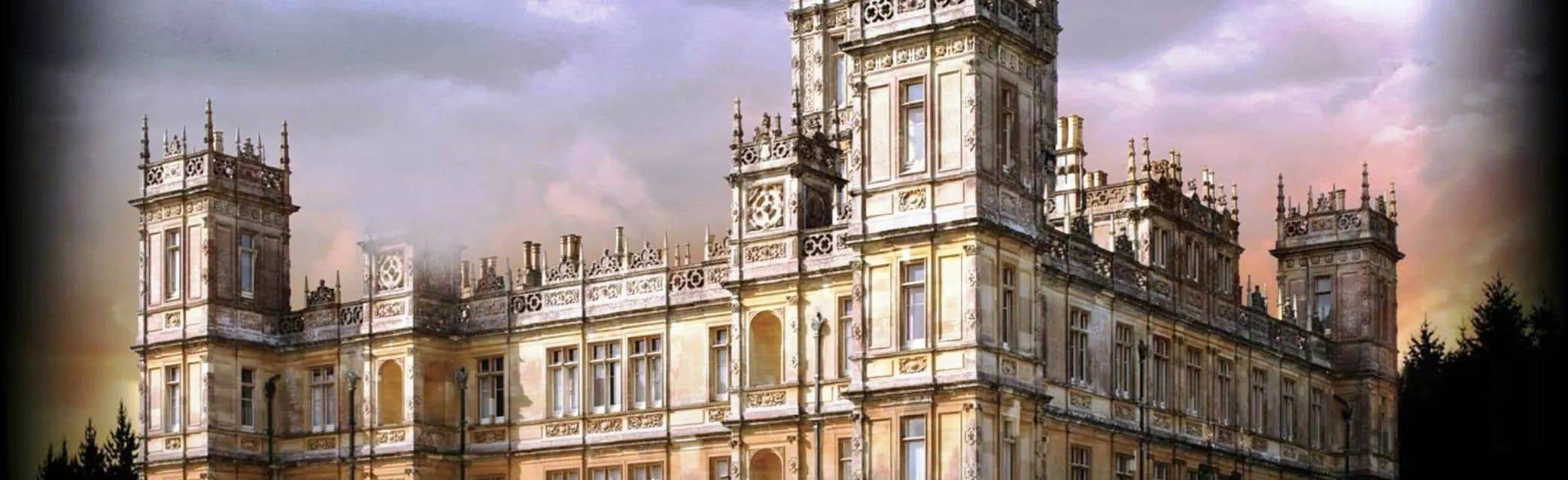
 Downton Abbey is remembered for its sweeping drama, elegant settings, and rich depiction of early twentieth-centuryBritain.
While the show focuses mainly on the Crawley family and their staff, it also weaves real historical personalities into its storytelling. Some appear directly on screen, while others are mentioned in passing to ground the narrative in authentic cultural and social history. These figures include sports stars, celebrated performers, and prominent public figures whose influence stretched far beyond the world of Downton.
Jack Johnson
One of the most interesting sports figures referenced in the show is Jack Johnson, the first African American world heavyweight boxing champion. Mary Crawley cites him in a humorous aside about building upper body strength, showing how even the aristocracy followed the athletic icons of the day.
Johnson’s fame had an international reach, and the reference highlights how widespread his cultural impact was. It is a reminder that elite households were not isolated from popular culture, much the same way modern audiences might casually reference an athlete or well-renowned brand without thinking twice.
Dame Nellie Melba
Among the more memorable on-screen portrayals is the appearance of Dame Nellie Melba, one of the most famous opera singers of the early twentieth century. Melba is portrayed in Season 4 by Dame Kiri Te Kanawa, who is herself a world-renowned soprano. The inclusion of Melba serves several purposes. It shows the immense cultural value placed on classical music during the era, and it adds a touch of glamour to the storyline when she performs at Downton. Her presence also reflects the Crawleys’ ongoing attempts to maintain social relevance during a period of change.
King Edward VIII
Another notable historical figure who appears in the series is the Prince of Wales, the future King Edward VIII. He is depicted in the Season 4 Christmas Special, set during London’s social season. His appearance reinforces the show’s connection to significant national events and reflects the aristocracy’s close ties to the monarchy. The Prince of Wales was a major celebrity of his time, known for his charm, style, and complicated relationships that would later shape British history. His portrayal adds a sense of authenticity and prestige to the storyline.
How Downton Tackles Authenticity
Although not athletes, several other cultural figures of the era are referenced throughout the series. For example, Downton Abbey frequently touches on major artistic and literary influences of the time. The characters mention authors, musicians, and political figures whose ideas helped shape the early twentieth century. These references help situate the Crawleys within the broader cultural landscape and give viewers a more textured understanding of the period.
On the sports side, beyond Jack Johnson, the show indirectly highlights the importance of traditional aristocratic sports like fox hunting, cricket, and horse riding. Horse racing tracks were a major sporting hub too back in those days, just as they are now, though you can use platforms like DK Horse, so you don’t even have to attend events to see who’s featuring on race day.
While all these activities within the show involve fictional events rather than portrayals of real sports stars, they remind viewers of the role sport played in social standing and leisure during the time. Professional athletes were beginning to emerge as celebrities during this era, but they did not often mingle with aristocrats. The show’s references to a boxing figure as globally prominent as Johnson are therefore significant.
What makes these portrayals and references stand out is how they balance fiction with historical accuracy. Downton Abbeyis not a documentary, but it uses real personalities to deepen its sense of time and place. When the opera singer Melba performs, or when the Prince of Wales attends a party, the show blurs the boundaries between narrative and history.
These moments also help remind viewers that the world beyond Downton was experiencing rapid changes in class, culture, and entertainment.
The presence of these figures also highlights a key theme of the series: the evolution of fame. In the world of Downton Abbey, celebrity was shifting from something rooted in noble lineage to something that could be earned through talent, athletic achievement, or public appeal. Jack Johnson, Nellie Melba, and the Prince of Wales show three very different ways fame existed in the early twentieth century. Each one influenced society in their own way, and their impact is still felt today.
In the end, the inclusion of these sports stars and celebrities in Downton Abbey enriches the narrative. They give the viewer entry points to understand the cultural world surrounding the Crawleys and highlight how the tides of change were already reshaping society. The show’s use of real public figures, whether through cameo portrayals or passing references, helps ground its fictional drama in the fabric of real history.