
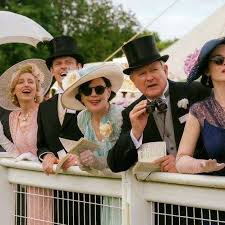
 In British social life, horse racing was not just a sport. People talked about it at breakfast, lunch, clubs, and dinner parties. They did not only ask who won. They also asked who bet on the winner, who knew the owner, who heard a rumour, and who made a bad choice.
Breakfast Was For Results And Rumours
Breakfast in a country house was often less formal than dinner. Guests might come down at different times. Newspapers were read. Letters arrived. Plans for the day were made. This made breakfast a natural time for racing talk. Someone might open the paper and check the results. Another guest might ask about a horse that had been tipped the day before. A poor result could bring teasing. A lucky win at Bizzo Casino could bring quiet pride. The tone was often lighter in the morning. People could speak more freely over eggs, toast, kedgeree, tea, and coffee. Racing news gave the room energy before the day began.
Luncheon Made Racing Talk Social
Luncheon was often a good place for lighter conversation. It was less grand than dinner, but more gathered than breakfast. If a major event were near, the table might turn into a soft debate. Which horse had the best chance? Which trainer was in form? Which owner had spent too much for too little return? The talk did not always need to involve serious money. Sometimes the bet was small. Sometimes the real prize was being right in front of others.
Racing Was A Safe Form Of Gossip
British dining conversation had rules. People had to be careful. Too much direct talk about money, marriage, scandal, or politics could become uncomfortable. Racing offered a clever way around this. People could discuss wealth without naming it too openly. They could talk about risk without sounding reckless. They could mention famous families, owners, trainers, and jockeys while pretending the subject was only sport. A horse’s poor run might lead to talk about the owner. A surprising win might lead to whispers about who had been told early. A bad bet might become a joke at the table.
Dinner Added Drama To The Topic
Dinner was more formal. Clothes were finer. The table was set with care. Servants moved quietly. Conversation had to be lively, but not vulgar. Horse racing worked well because it could be serious or playful. A guest could tell a story about a day at Ascot. Another could recall a horse that ruined half the room’s hopes. Someone might speak of a bold wager, then soften it with humour. The subject had rhythm. It could move from sport to fashion, from betting to travel, from trainers to royal attendance. That made it useful at a long table where conversation needed to keep moving.
Bets Made Conversation Personal
A race result is interesting. A bet makes it personal. When someone had money on the race, even a small amount, the story had more feeling. The winner felt sharper. The loss felt more memorable. The guest now had a reason to tell the story with emotion. That is why bets helped racing talk last longer. A person could say they had nearly backed the winner. Someone else could admit they followed a bad tip. Another might proudly explain why they chose the outsider. These stories were easy to enjoy because they mixed judgment and luck. They also let people laugh at themselves, which was useful in polite company.
Small Wagers Could Show Style
Not all betting was about chasing large sums. In many social settings, a small wager could show confidence, wit, or sporting spirit. It could be part of the game of conversation. A person who handled a loss well showed good manners. A person who won without boasting showed restraint. A person who joked about a bad choice could turn failure into charm.
What Made A Wager Socially Acceptable
A small racing bet could be easier to discuss when it was:
- Light in tone
- Not financially reckless
- Shared as a story
- Handled with humour
- Kept away from anger
- Treated as entertainment
- Not used to shame another guest
Women Were Part Of The Conversation Too
It would be wrong to imagine racing talk as only a male subject. Women attended race meetings, followed famous horses, noticed social details, and took part in the conversation. They might discuss the fashion, the guests, the owners, or the result itself. In some dining rooms, a woman’s sharp comment about a horse or a foolish bet could carry real force. Racing gave women a socially acceptable way to talk about judgment, chance, and public life. The subject was broad enough to include sport, style, gossip, and manners. That made it useful across the table.
Modern Betting Spaces Can Learn From This
Today, betting looks very different. Much of it happens online. Results appear fast. Odds move on screens. Players can place bets without entering a racecourse or dining room. Still, one old lesson remains useful. People want to feel respected when money, sport, and emotion meet. They want clear information. They want fair treatment. They want the experience to feel calm and well-handled.