
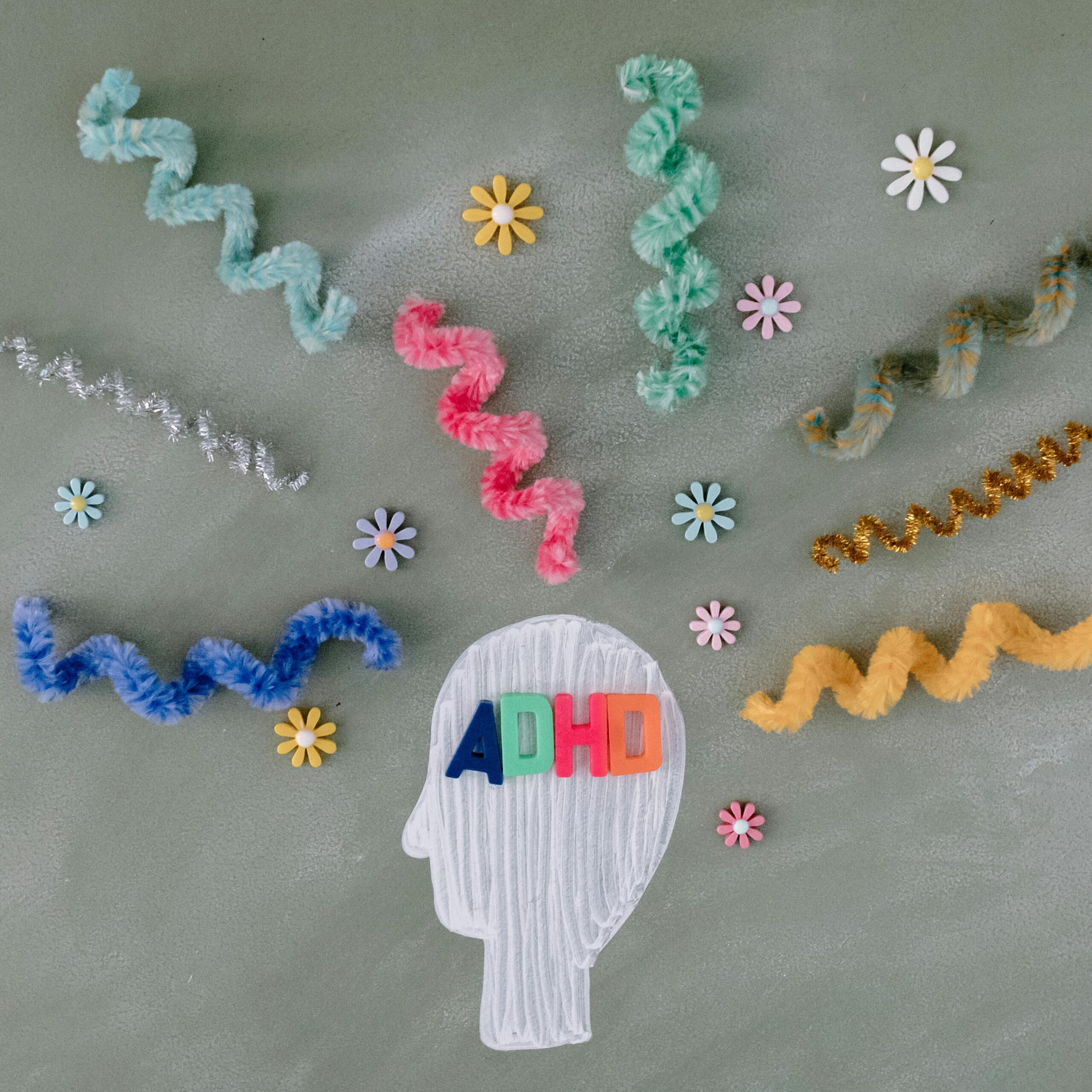
 ADHD is a neurodevelopmental condition that affects executive functioning, an umbrella term for concentration and regulation of activity levels. Adult women are the group that is least likely to be diagnosed with this condition. ADHD prevalence among men and women falls within a 2:1 ratio, meaning that men are twice as likely to develop ADHD [1], but do they?
The popular stereotype about “loud and boyish” ADHD has been debunked. In reality, many girls grew up to be adult women who got diagnosed later in life or went undiagnosed at all. They were left to battle their overthinking, perfectionism, loneliness, and sensitivity all alone.
Luckily, more and more research nowadays explores the female face of ADHD. In today’s article, we will share some of the lesser-known signs of ADHD in women. We’ll also show you which ADHD symptoms are unique to the female experience and how a lack of awareness might lead to misdiagnosis or overlapping conditions.
Symptoms of ADHD in Women by ADHD Type
ADHD is diagnosed under three subtypes:
- Hyperactive-impulsive
- Inattentive
- Combined
These categories apply to all genders, but symptoms may show up differently in women than in men. Many adult women don’t know they have ADHD until they bump into a test online, like the one from Breeze https://breeze-wellbeing.com/adhd-test/, and discover that their “problematic” behavior was an unaddressed neurological condition. The delayed diagnosis may lead to years of self-blame.
Below is a breakdown of how each ADHD type might look in adult women.
Symptoms of Hyperactive-Impulsive Type in Women
This ADHD type was believed to be the least common among women. Hyperactive-impulsive ADHD is indeed diagnosed the least, but among all genders. What are some less obvious signs of this ADHD type among adult women, except for not being able to sit still?
- Emotional dysregulation.
- Mood swings.
- Strong emotional reactions that almost feel uncontrollable.
- Excessive anger or sadness.
- High sensitivity to criticism.
- Hyper-talkativeness.
- Talking quickly.
- Changing subjects mid-story because other side stories seem important to share.
- Oversharing and later regretting it.
- Interrupting others.
- Acting on impulses.
- Overcommitting (promising more than you can actually help, taking on too much).
- Making sudden decisions that “will change your life.”
- Spontaneous spending.
- High-functioning masking of hyperactivity and restlessness.
- Perfectionism to keep everything “under control.”
- Strict routines that might lead to burnout.
- Being outwardly neat and organized, but having “a mess” inside the cabinets (and the head)
- Somatic symptoms.
- Nausea and headaches from overstimulation.
- More intense depressive symptoms during PMS (experienced by 2/3 of all women with ADHD) [2].
- Higher risk of STIs due to impulsive sexual decisions.
For many women, the hyperactivity is mostly mental: racing thoughts, nonstop idea generation, constant inner urgency. Many women are misdiagnosed with mood disorders when the underlying issue is untreated hyperactive-impulsive ADHD.
Signs of Inattentive Type in Females
Inattentive ADHD is said to be the most common among women. This myth stems from the fact that ADHD in adult women is really manifested mostly through inattentive/forgetful symptoms. Still, there is a proportion of women who have this ADHD type. How do inattentive symptoms manifest in women?
- Chronic forgetfulness.
- Forgetting appointments and payments.
- Losing important items like keys or a wallet.
- Difficulty with organization.
- Inability to maintain a clean apartment.
- Poor time management.
- Inability to plan something due to time blindness or incorrect estimations.
- Missing deadlines.
- Difficulty following instructions.
- Making “careless” mistakes.
- Being called “spacy.”
- Daydreaming.
- Passive listening, nodding or smiling without paying attention to what’s being said.
- Internalization of symptoms.
- Over-preparing due to fear of forgetting something.
- Self-blame.
- Unhealthy coping strategies, such as substance use or self-harm.
- Putting all of the efforts to “fit in,” but burning out later.
This subtype often coexists with feelings of “never doing enough.” Many women hide their symptoms by overachieving, staying up late to meet expectations, relying on endless planners, reminders, and to-do lists. Yet, they still don’t feel good enough.
Combined Type of ADHD in Women
Combined ADHD means experiencing both inattentive and hyperactive-impulsive symptoms. However, a combination of contradicting features can lead to these unobvious signs of ADHD in adult women:
- Hyperfocus.
- Inability to concentrate when a girl needs it.
- Hyperfocusing on a topic of interest that no time, other priorities, or physiological needs can disrupt.
- Higher likelihood of comorbid anxiety (73% according to ADDitude magazine’s survey) [3].
- Disrupted sleep.
- Difficulty regulating impulses AND attention.
Women with ADHD: Unique Signs
 While the diagnostic criteria for ADHD in the DSM-5 are the same for everyone, the lived experience of adult women with ADHD is shaped by hormones, social expectations, and lifelong patterns of internalizing. This creates a symptom profile that can look very different from what most people associate with ADHD.
Here are some signs of ADHD specific to adult women:
- Sensitivity based on the menstrual cycle.
The impact of hormonal fluctuations on ADHD in women has been a taboo topic in scientific circles, but it plays a key role in the severity of symptoms. The reason is that estrogen influences dopamine, a key neurotransmitter involved in attention and motivation. Two-thirds of women notice their ADHD symptoms worsen during menstruation, postpartum, perimenopause, or menopause. They report:
-
- Irritability
- More severe mood swings
- Tension/anxiety
- Worsened focus/concentration
- Devaluation of oneself, achievements, and the people around
- Suicidal ideations
- Growing up internalizing everything
Girls are taught to be polite, helpful, and emotionally stable. Luckily, such upbringing methods are a product of the past, and they slowly disappear as parents become more aware and sensitive.
However, we still have multiple generations of women with ADHD who grew up with old mindsets. As a result, they become experts at masking: pretending they’re fine, pushing through exhaustion, or blaming themselves for every mistake.
Such a coping strategy is one of the most harmful ones. Some of the potential outcomes include anxiety, depression, or burnout (long before ADHD is recognized and if it is recognized in general).
- Overwhelming motherhood.
Motherhood and pregnancy can be beautiful experiences for a woman if she’s prepared and has support systems. For adult women, ADHD can look like a doubled mental load of parenting. For example, mothers with ADHD are 5-6 times more likely to develop post-partum depression [2].
After the pregnancy, the mental load doesn’t decrease. Waking up at night when the sleep schedule is irregular, constant crying and screaming only worsen sensitive overload, and time blindness doesn’t help with planning doctor appointments.
- Menopause
Declining estrogen can dramatically intensify inattention, forgetfulness, and emotional dysregulation, causing many women to seek an ADHD evaluation for the first time.
Studies show that women who have ADHD also have a higher probability of developing:
-
- Subjective cognitive decline (SCD).
- Alzheimer’s disease.
- Sleep disorders (51%).
However, it’s not proven whether this correlation is just a coincidence or whether neurological differences of ADHD really contribute to the development of these conditions.
- Different social upbringing.
Women are socially conditioned to over-function. They step into roles of caretakers, organizers, and emotional stabilizers. All of these social roles require strong executive functioning. ADHD makes these expectations feel impossible, fueling guilt and shame.
Conditions That Might Co-Occur With ADHD in Women
ADHD in women is rarely a standalone experience. Because many girls grow up undiagnosed, other mental health conditions often develop alongside ADHD. These co-occurring conditions can complicate diagnosis and make ADHD harder to recognize.
The most common co-occurring conditions include:
- Anxiety disorders. Generalized anxiety disorder, different types of anxiety, such as separation worries, anxiety of the future, fears of specific events or environments.
- Depression. Repeated failures and feeling “different from everyone else” can lead to chronic sadness and low self-worth.
- PMDD and hormonal sensitivity.
- Autism spectrum traits. AuDHD (autism + ADHD) is more common in women than once believed, especially among those who mask.
- Bipolar II misdiagnosis.
- Borderline Personality Disorder. Can be both an overlapping condition and a misdiagnosis.
- PTSD or complex trauma. It’s proven that although trauma doesn’t cause ADHD, it can contribute to more severe manifestations of its symptoms [4].
Essential Tips for Managing ADHD Symptoms in Women
 Managing ADHD as an adult woman means working with your brain, not against it. These tips are designed to make life easier and listen more carefully to your true needs, not societal expectations.
- Seek support early. Whether it’s therapy, medication, coaching, or an online ADHD community, having structure and validation that yes, you’re different brings a relief that some women wait years for. Mental health professionals can also teach you how to manage your symptoms and lifestyle more effectively.
- Medication. It doesn’t “fix” ADHD, but it can remove the mental fog to improve daily functioning. Remember that only a specialized psychotherapist or psychiatrist can prescribe medications and count your dose correctly.
- Schedule a time for procrastinating. Instead of fighting it, plan around it. Give yourself a “buffer hour” before big tasks.
- A calendar is your best friend. One of the most common, but truly most effective advice. If calendars are not for you, come up with your own way to write down every birthday, task, desire, and wish that you have. Some women with ADHD use phones or physical notebooks.
- Do things your own way. ADHD is a condition on the neurodiversity spectrum, so neurotypical methods are less likely to work for it. For example, instead of cleaning your house in one big go, clean it in small bursts throughout the week. Also, avoid all-or-nothing routines.
- Move your body. If traditional workouts feel impossible or getting out of the house seems overwhelming, try balance-based exercises. Balance exercises show high effectiveness in managing ADHD symptoms in women.
- Give yourself permission to do things “imperfectly.” Done is better than perfect, and releasing the pressure to be the “ideal woman” removes half the mental load.
- Don’t rely on willpower to do things. Not because you lack it, but because ADHD turns willpower into anxiety. Rely on interests, small goals, structure, and reminders instead.
- Don’t be hard on yourself. If your body screams for rest, let it rest.
Frequently Asked Questions (FAQs)
How does ADHD present in women?
ADHD in women may exhibit signs of chronic stress or anxiety. Women may appear scattered, forgetful, or disorganized. This affects their daily lives because they constantly misplace items, miss deadlines, or juggle multiple responsibilities. Women with ADHD are also exhausted from constant mental load, masking their symptoms, and overworking to hide their difficulties. These difficulties are often mistaken for laziness or personality flaws.
What could be mistaken for ADHD in women?
Conditions such as depression, anxiety disorders, or even hormone-related changes can be mistaken for ADHD. For example, mood swings connected to premenstrual syndrome (PMS) or perimenopause may look similar to inattentive or impulsive patterns. Emotional dysregulation and burnout also overlap with ADHD symptoms in women, which is why professional evaluation is so critical to avoid misdiagnosis.
What does ADHD masking look like for women?
Masking refers to the strategies women develop to hide their ADHD symptoms. For example, a girl might rely heavily on to-do lists and reminders because her own thoughts are unreliable. Masking can allow women to function successfully in school or work, but it usually comes at the cost of mental health, leading to fatigue, shame, and burnout.
Do I have ADHD as a middle-aged woman?
ADHD can persist into midlife and beyond. Children with ADHD don’t simply become healthy adults. Some women may not realize they have ADHD until responsibilities increase, such as managing a career, family, or caregiving. In midlife, hormonal shifts can also worsen inattentive and emotional symptoms, making them harder to ignore.
Why is ADHD diagnosed less in women than in men?
ADHD is diagnosed less frequently in women than in men because women present ADHD symptoms less vividly due to differences in upbringing. However, there is also gender bias in diagnosis as ADHD is almost equally prevalent in both men and women, but the former are more likely to be diagnosed. The same symptoms in women can be misinterpreted as anxiety, BPD, stress, PMS, or character flaws.
Sources:
- Sex and age differences in Attention-Deficit/Hyperactivity Disorder symptoms and diagnoses: Implications for DSM-V and ICD-11. Journal of the American Academy of Child and Adolescent Psychiatry. March 2010. https://pmc.ncbi.nlm.nih.gov/articles/PMC3101894/
- Research advances and future directions in female ADHD: the lifelong interplay of hormonal fluctuations with mood, cognition, and disease. Frontiers in Global Women’s Health. July 2025. https://www.frontiersin.org/journals/global-womens-health/articles/10.3389/fgwh.2025.1613628/full
- We Demand Attention on Understanding Why Comorbid Conditions Like Anxiety and Depression Uniquely Impact Women with ADHD. ADDitude Magazine. June 2025. https://www.additudemag.com/adhd-comorbidity-research-women/
- What causes attention deficit hyperactivity disorder? Archives of Disease in Childhood. September 2011. https://pmc.ncbi.nlm.nih.gov/articles/PMC3927422/