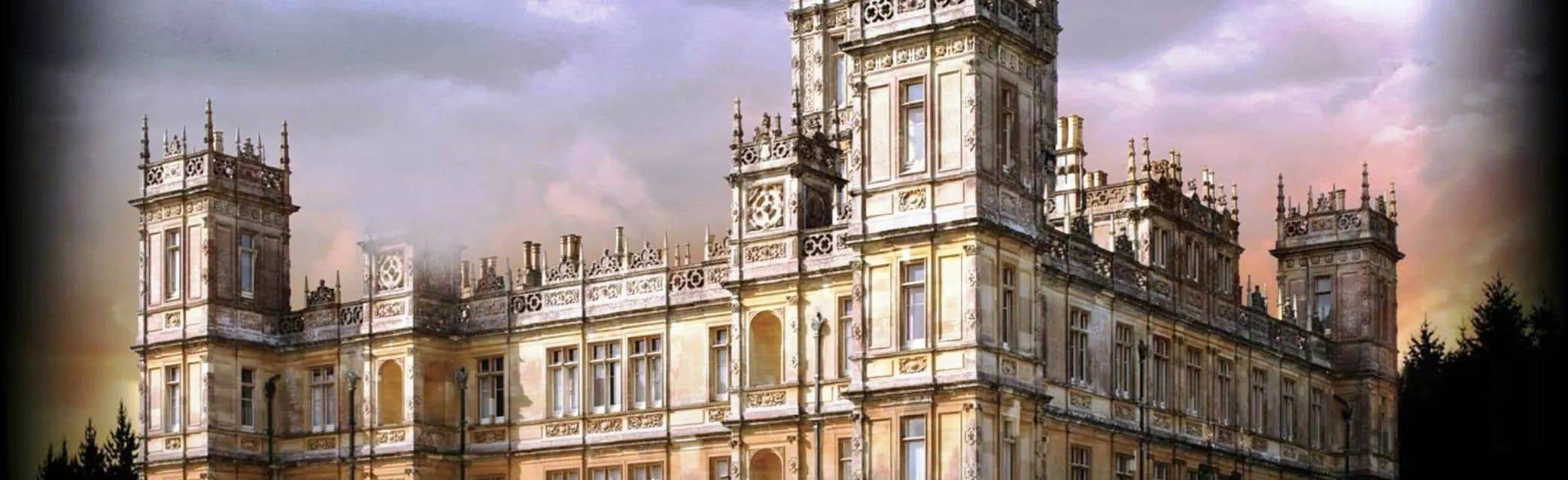
 Look, I get it. Maybe you missed the Downton Abbey train when it was chugging through pop culture, or perhaps you watched it years ago and need a refresher before diving into the movies, particularly since the last film is launching September 12, 2025. Either way, you’ve come to the right place.
After six seasons of aristocratic drama and two feature films, Downton Abbey gave us everything we didn’t know we needed: forbidden romances, family feuds, shocking deaths, and enough British etiquette to make your head spin. And as a food historian, I’ll admit I’m probably more biased than most about this show – watching Mrs. Patmore work her magic in that kitchen and seeing those elaborate dinner parties unfold was absolutely captivating from a culinary perspective.
But here’s the thing – at its core, this show was always about one magnificent character: the house itself.
Why Highclere Castle Steals Every Scene
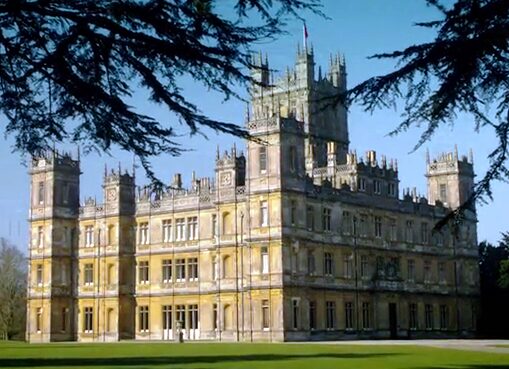
Before we dive into who married whom and who died tragically (spoiler: lots of people), let’s talk about the real star. Highclere Castle isn’t just a pretty backdrop – it’s the reason everything happens. Every marriage proposal, every family crisis, every servant’s drama revolves around keeping this grand estate alive.
Julian Fellowes knew exactly what he was doing when he made the Abbey the emotional center of the story. Characters come and go, but that house? It endures, adapts, and somehow always finds a way to survive whatever history throws at it.
Meet the Crawley Family (The Folks Upstairs)
Robert Crawley (Hugh Bonneville) – The Earl of Grantham, who genuinely loves his family but sometimes makes decisions that’ll make you want to shake your TV screen. He’s traditional to a fault and occasionally clueless, but his heart’s usually in the right place.
Cora Crawley (Elizabeth McGovern) – Robert’s American wife, who brought the money that saved Downton. She’s got more common sense than her husband and isn’t afraid to use it, especially when it comes to protecting her daughters.
Lady Mary (Michelle Dockery) – The eldest daughter who could cut you with a glance. She’s calculating, fierce, and occasionally cruel, but watching her navigate the changing world is absolutely riveting.
Lady Edith (Laura Carmichael) – Poor Edith gets the worst luck for most of the series, but stick with her story. Her transformation from overlooked middle daughter to independent woman is one of the show’s best character arcs.
Lady Sybil (Jessica Brown Findlay) – The youngest and most progressive daughter, who questions everything about her privileged life. Fair warning: have tissues ready for her storyline.
Violet Crawley (Maggie Smith) – The Dowager Countess, whose one-liners could power a small village. She’s sharp, witty, and more progressive than she lets on, even if she’ll never admit it.
The Downstairs Crew (Who Actually Run Everything)
Mr. Carson (Jim Carter) – The butler who treats Downton like a sacred temple. His devotion to the family borders on religious, and watching him navigate changing times is both touching and frustrating.
Mrs. Hughes (Phyllis Logan) – The housekeeper with infinite patience and practical wisdom. She keeps everyone grounded and becomes Carson’s perfect match in every way.
Anna and John Bates (Joanne Froggatt & Brendan Coyle) – Lady Mary’s maid and Lord Grantham’s valet whose relationship faces more obstacles than a soap opera couple. Their devotion to each other is beautiful, even when the writers put them through absolute hell.
Thomas Barrow (Rob James-Collier) – The scheming footman who starts as a clear villain but evolves into something much more complex. His journey toward finding acceptance and happiness is genuinely moving.
Mrs. Patmore (Lesley Nicol) – The cook who rules her kitchen with an iron fist and a warm heart. Her relationship with Daisy becomes one of the series’ most endearing dynamics.
Daisy (Sophie McShera) – Starts as a naive kitchen maid but grows into an independent woman who isn’t afraid to speak her mind. Watching her find her voice is incredibly satisfying.
Season by Season: The Drama Unfolds
Season 1: Where It All Begins (1912-1914)
The Titanic sinking kicks off our story by killing off Downton’s heirs, leaving the estate to distant cousin Matthew Crawley. He’s a middle-class lawyer who has zero interest in aristocratic life, which creates immediate tension with the family – especially Mary, who’s expected to marry him to keep the estate in the family.
Meanwhile, we get our first taste of Downton scandal when a Turkish diplomat dies in Mary’s bed. Watching Mary, Anna, and Cora drag his body back to his room in the middle of the night sets the tone perfectly: this is a house where secrets have consequences.
The servants have their own dramas, with Thomas manipulating poor Daisy’s feelings and O’Brien making a decision that nearly costs Cora her life and her unborn child.
Season 2: War Changes Everything (1916-1919)
World War I transforms Downton into a convalescent home, and suddenly everyone’s world gets turned upside down. Matthew heads to the front, Sybil trains as a nurse, and even pampered Edith finds purpose helping wounded soldiers.
The war brings tragedy – William dies from his injuries, Matthew comes home paralyzed (temporarily), and a mysterious Canadian soldier shows up claiming to be the presumed-dead Patrick Crawley. Is he real or a fraud? The show never quite tells us, which is maddening in the best way.
But the real shocker comes when Sybil announces she’s in love with the family chauffeur, Tom Branson. The class divide has never felt more dramatic or relevant.
Season 3: Joy and Devastating Loss (1920-1921)
This season gives us everything we wanted and then rips our hearts out. Mary and Matthew finally get married in a gorgeous ceremony that feels like the happy ending we’ve been waiting for.
Then the writers decided to emotionally destroy us. Sybil dies in childbirth in one of the most heartbreaking episodes television has ever produced. The family’s grief feels raw and real, and watching them try to move forward is genuinely painful.
When we think we can breathe again, Matthew dies in a car crash right after meeting his newborn son. Dan Stevens wanted to leave the show, but did they have to kill him so brutally? The answer is apparently yes, and we’re all still not over it.
Season 4: Picking Up the Pieces (1922-1923)
With Matthew gone, Mary has to step up and run the estate while dealing with her grief. Michelle Dockery’s performance here is incredible – watching Mary slowly come back to life while refusing to let Downton fail is compelling television.
Edith finally gets a love interest in Michael Gregson, but because this is Downton Abbey, happiness never lasts. He disappears in Germany, leaving Edith pregnant and alone. Her secret pregnancy storyline gives Laura Carmichael some of her best material.
The season also tackles Anna’s assault by Mr. Green, a storyline that divided fans but showed the series wasn’t afraid to address difficult topics, even if the execution was controversial.
Season 5: Embracing Change (1924)
The world is modernizing, and Downton has to keep up. Rose brings youth and energy to the family while dealing with her own romantic complications. Her relationship with Atticus Aldridge addresses antisemitism head-on and shows how the family is slowly becoming more accepting.
Edith’s secret about her daughter, Marigold, creates new tensions, especially when she brings the child to live nearby under the pretense of “helping” a local family. Watching her try to be close to her daughter without revealing the truth is heartbreaking.
Meanwhile, Mary continues to be Mary – beautiful, sharp-tongued, and occasionally cruel to her sister. Their sibling rivalry reaches new heights of pettiness, and honestly, it’s entertaining as hell.
Season 6: Tying Up Loose Ends (1925)
The final season focuses on giving everyone their happy endings while acknowledging that the old world is fading. Mary finds love again with race car driver Henry Talbot, though their courtship is refreshingly drama-free compared to her previous relationships.
Edith gets the happiness she deserves with Bertie Pelham, but of course Mary nearly ruins it by revealing Edith’s secret about Marigold. The sisters’ relationship reaches a breaking point before finally finding some peace.
The sweetest storyline belongs to Carson and Mrs. Hughes, whose late-in-life romance and wedding provides the emotional anchor for the season. After watching them dance around each other for years, seeing them finally together feels earned and genuine.
The Movies: Downton’s Victory Lap
Downton Abbey (2019): Royal Visit
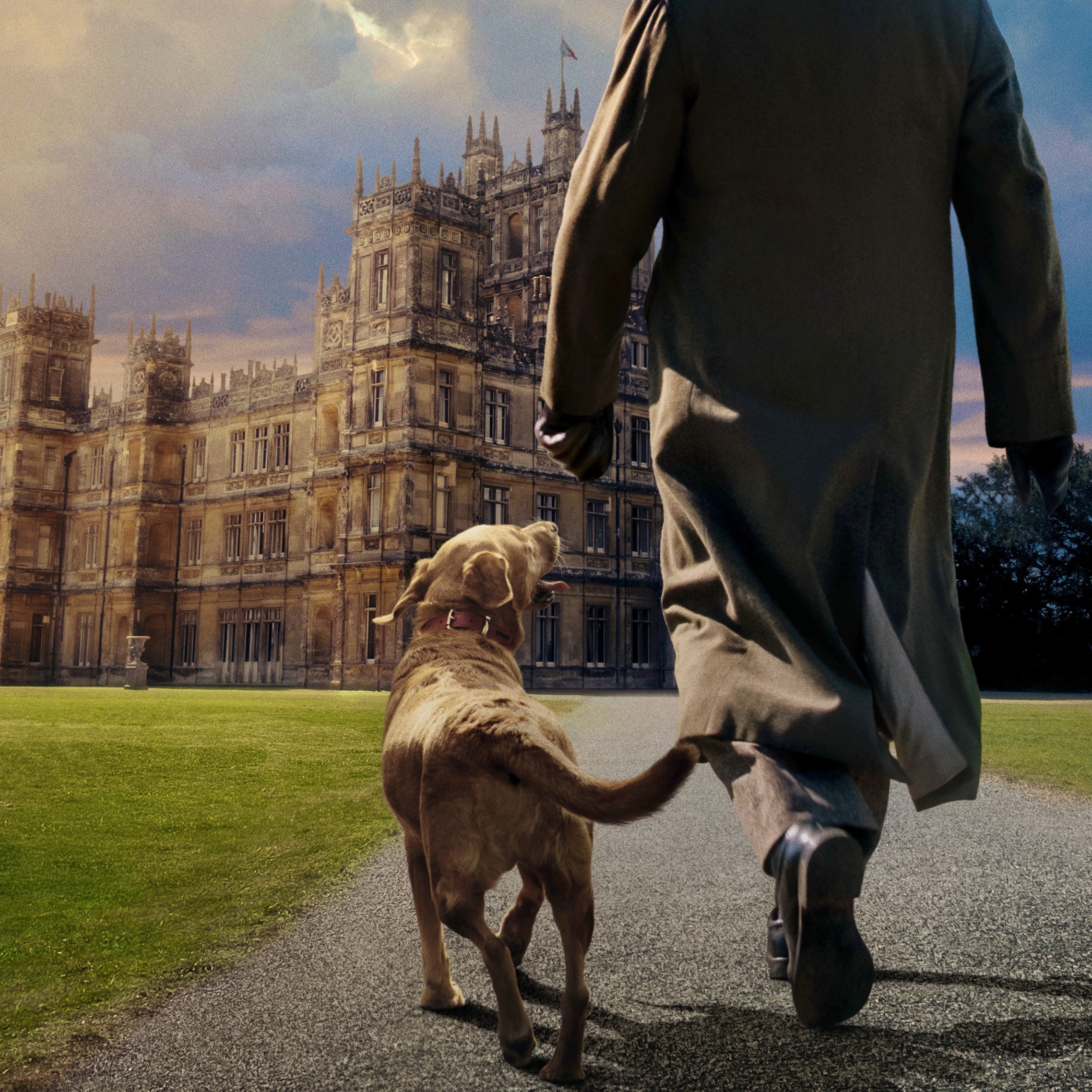
Two years after the series ended, we got our first movie – and what a movie it was. The plot revolves around a visit from King George V and Queen Mary, which sends both the upstairs and downstairs into a frenzy of preparation.
The royal visit storyline gives everyone something to do while advancing character arcs that felt complete but welcome. Tom Branson gets involved in a plot against the king, Thomas explores his sexuality in York’s underground scene, and Violet drops hints about her mortality that set up the second film perfectly.
Downton Abbey: A New Era (2022): The End of an Era
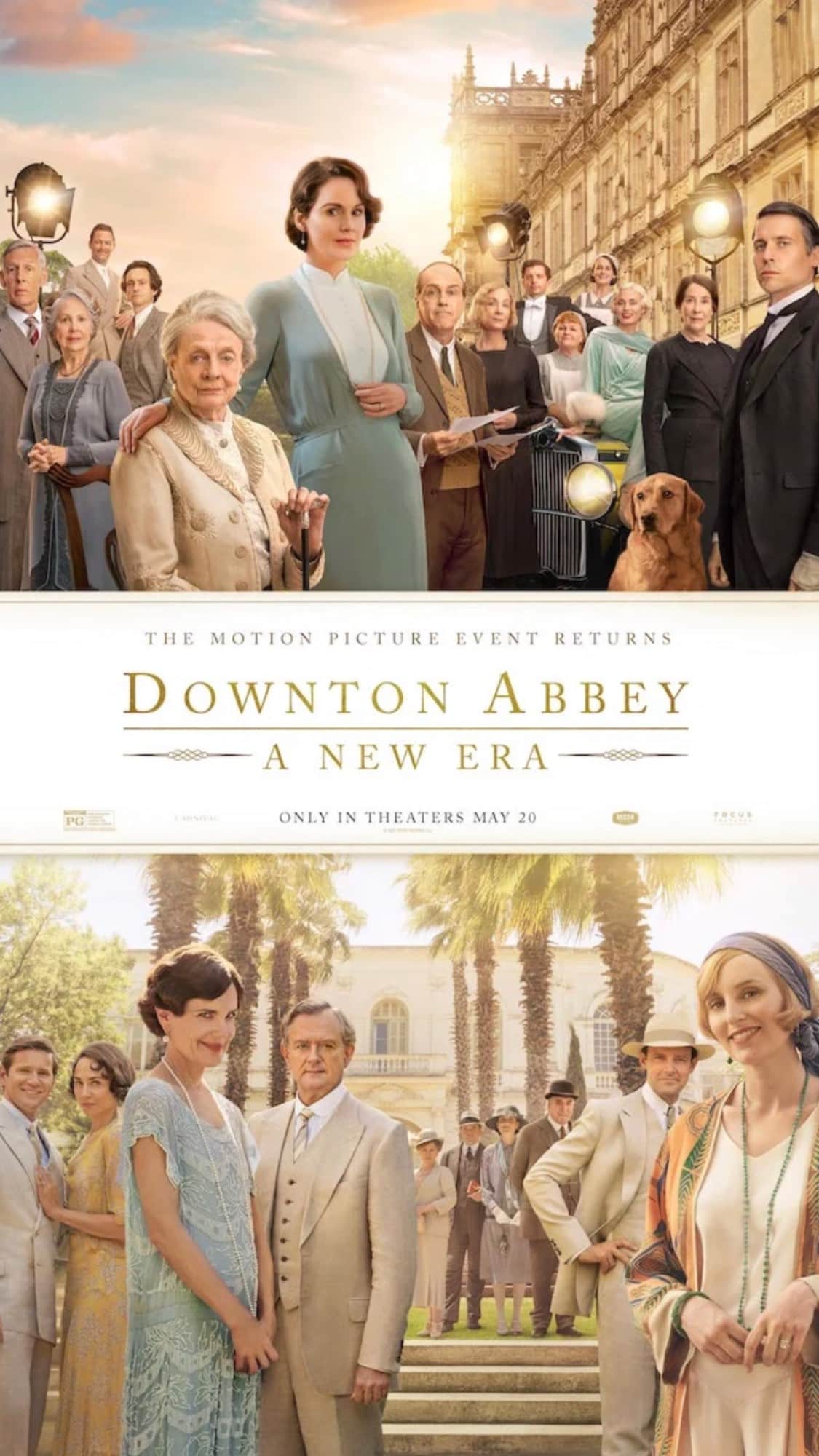 The second film splits the family between a newly inherited villa in France and Downton itself, where a film crew is shooting a movie. The dual storylines work surprisingly well, giving us both glamorous French Riviera drama and behind-the-scenes Hollywood chaos.
Violet’s death provides the emotional climax we knew was coming but weren’t prepared for. Maggie Smith’s final performance as the Dowager Countess is everything you’d expect – dignified, moving, and absolutely perfect.
Why This Show Still Matters
Downton Abbey succeeded because it understood that good drama comes from characters you care about facing real stakes. Yes, the dialogue could be a bit formal and some plot twists were ridiculous, but the emotions always felt genuine.
The show also tackled serious issues – class inequality, women’s rights, sexuality, war, illness – without ever feeling preachy. It trusted viewers to understand the complexities while still delivering the escapist entertainment we craved.
Most importantly, it reminded us that change is inevitable but doesn’t have to mean losing everything we value. The house endures, the family adapts, and somehow, against all odds, tradition and progress find a way to coexist.
Whether you’re binging for the first time or revisiting old favourites, Downton Abbey remains that rare show that makes you laugh, cry, and occasionally yell at the screen – sometimes all in the same episode. And honestly, what more could you ask for?