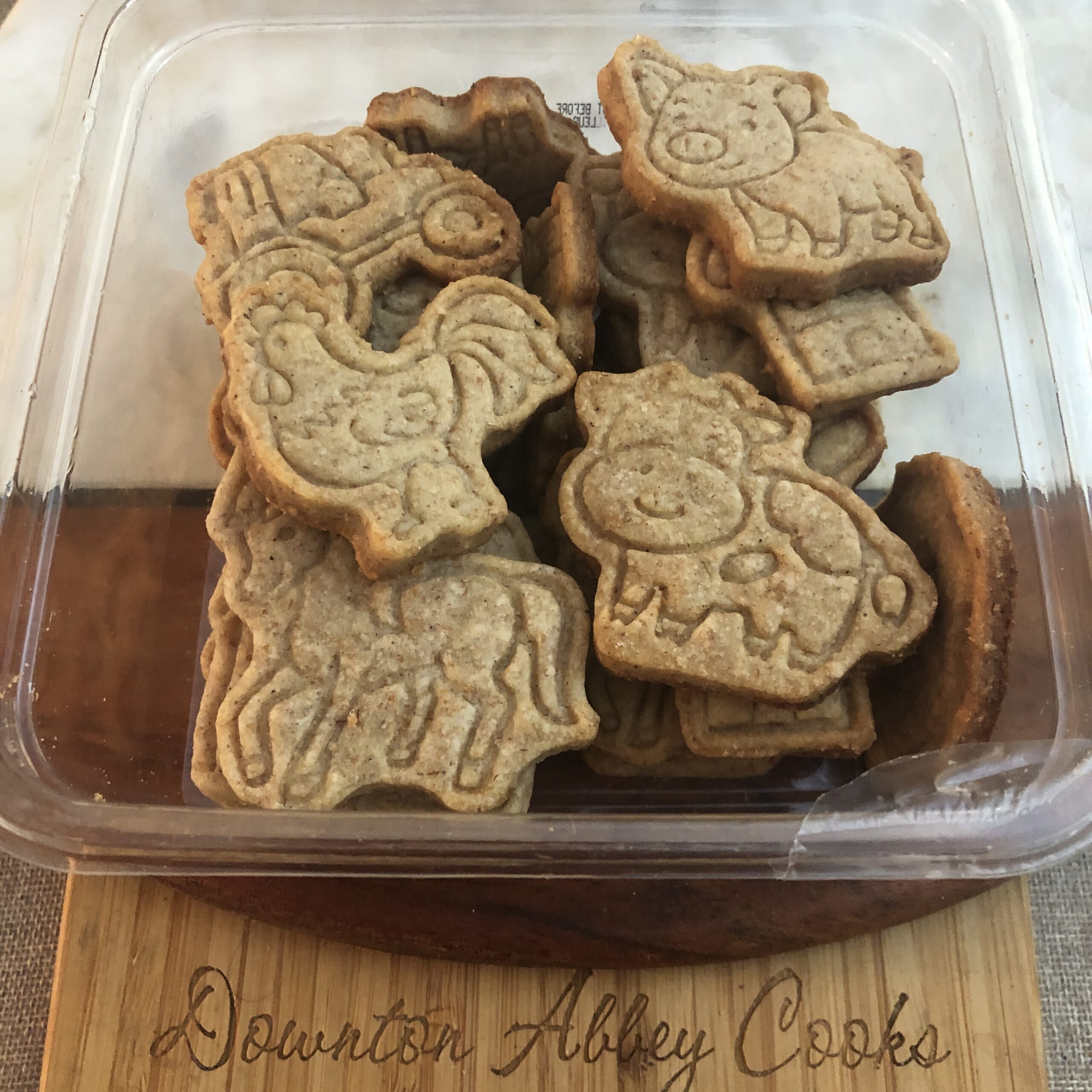
 Animal crackers have been a beloved snack for generations, capturing the hearts of children and adults alike with their charming animal-shaped designs and nostalgic crunch. These iconic treats represent more than just a simple cookie – they’re a delectable piece of American culinary heritage that has evolved from a circus-inspired novelty to a pantry staple loved worldwide.
The story of animal crackers begins in the late 19th century, when bakers in England and the United States started experimenting with playful, shaped cookies that would delight young consumers. Stauffer’s Biscuit Company, founded in 1871 in York, Pennsylvania, is often credited with popularizing these whimsical treats in the United States. However, it was Nabisco’s introduction of Barnum’s Animals Crackers in 1902 that truly revolutionized the market.
The Circus Connection
Inspired by the travelling circus culture of the early 1900s, Nabisco’s animal crackers came in a now-famous circus wagon-styled box, complete with a string handle that made them perfect as a Christmas tree ornament. This ingenious packaging transformed the crackers from a simple snack into a cultural phenomenon, bridging the gap between food and entertainment.
Crafting Your Own Animal Crackers at Home
While store-bought versions remain popular, many home bakers are rediscovering the joy of creating these delightful treats from scratch. Homemade animal crackers offer a unique opportunity to connect with culinary traditions while controlling ingredients and avoiding preservatives.
The Art of Shaping
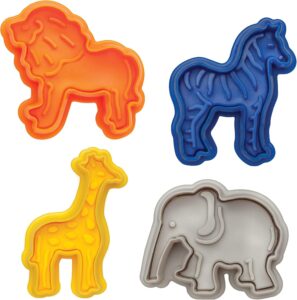
Creating animal-shaped crackers requires patience, creativity, and the right tools. Specialty cookie cutters in various animal shapes – from lions and elephants to giraffes and monkeys – allow bakers to recreate the classic charm of commercial animal crackers. My grandsons love dinosaurs and farm animals so I use those shapes. The key lies in achieving that perfect balance of crisp texture and subtle sweetness.
Cultural Significance Beyond the Snack
Animal crackers have transcended their role as a mere snack. They’ve become a cultural touchstone, representing childhood innocence, playful eating, and a connection to culinary traditions. From school lunchboxes to nostalgic adult snacking, these crackers continue to evoke memories and bring smiles.
Nutritional Evolution
Modern animal crackers have undergone significant transformations. Today’s versions range from traditional sweet varieties to organic, whole-grain options that cater to health-conscious consumers. Artisan bakeries and home cooks are continually reimagining these classic treats, experimenting with alternative flours, natural sweeteners, and innovative flavour profiles.
Sustainability and Artisan Approaches
The current culinary landscape is seeing a growing trend toward small-batch, locally produced animal crackers. Artisan bakers are focusing on sustainable ingredients, minimal processing, and unique flavour combinations that honour tradition while appealing to contemporary palates.
A Timeless Treat
Animal crackers represent more than just a snack – they’re a culinary journey that connects generations. Whether purchased from a store or lovingly crafted in a home kitchen, these whimsical cookies continue to capture our imagination and satisfy our sweet tooth.
As food trends come and go, animal crackers remain a testament to the enduring appeal of playful, creative cuisine. They remind us that sometimes, the most memorable foods are those that bring a touch of joy and wonder to our everyday lives.
Animal Crackers
Equipment
Ingredients
- 12 tbsp. Unsalted butter softened (170 g)
- 1/4 cup granulated sugar 50 g
- 3 tbsp. honey 64 g
- 1/2 tsp salt
- 1/2 tsp baking soda
- 1 tsp vanilla extract
- 1 1/2 cups unbleached all-purpose flour 180 g
- 1 cup oat flour or finely ground rolled oats 89 g

Instructions
- Beat together the butter, sugar, honey, salt, baking soda, and flavor until well combined.
- Add the flour and oat flour, mixing to combine.
- Divide the dough in half, flattening each half to make a 3/4"-thick disk, then wrap in plastic. Refrigerate for at least 30 minutes.
- Preheat the oven to 350°F. Line a baking sheet with a silicone mat or with parchment.
- Take one piece of dough out of the refrigerator, and turn it out onto a piece of parchment paper and cover with another. Roll the dough 1/4" thick.
- Dip animal cookie cutters in flour, then use them to cut the dough. Transfer the cookies to the prepared baking sheets.
- Bake the cookies for 8 to 10 minutes, until lightly browned around the edges.
- Remove the cookies from the oven, and let them cool on the baking sheet for several minutes, or until set.
- Transfer the cookies to a baking rack to cool completely. Repeat with the remaining dough.