April 14th marks the 100th anniversary of the sinking of the Titanic. On Sunday April 14, 1912 at 11:40 pm, Titanic struck a giant iceberg and by 2:20 am on April 15, the “unsinkable ship” was gone. Canadians have a special connection to Titanic: the great ship sank in the chilly waters south of Newfoundland, and Canadian vessels were involved in the recovery efforts. Over 100 victims of the Titanic are buried in the Fairview Cemetery in Halifax.
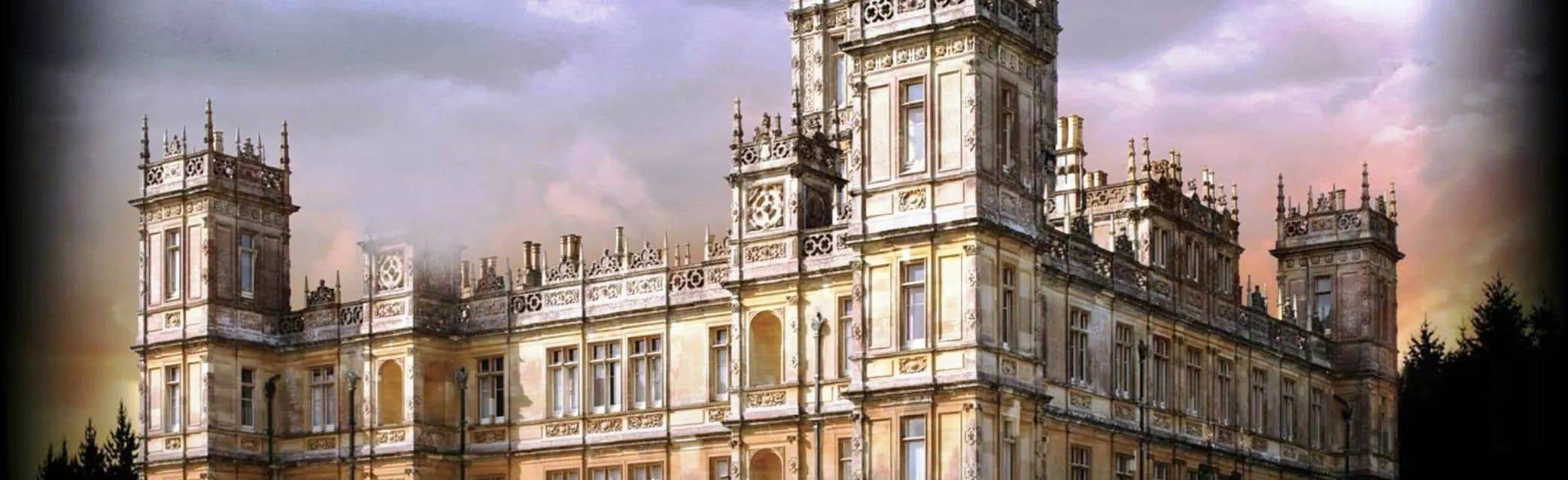
The fictional Crawley family suffered the loss of two heirs on Downton Abbey; in reality, many of the wealthiest families in America were affected. Far worse were those in third class. Whole families had been travelling together to America to start a new life. Titanic’s story is appealing on many different levels. Social historians use this specific point in time to demonstrate life in the Edwardian world, with its strict class distinctions, and the charmed life of the aristocracy, who were obsessed with etiquette and love of fine food. Like the Titanic, class distinctions would be splintered by World War I. Over the next month, I will be focusing on various aspects of the lifestyles of both upper and lower classes.
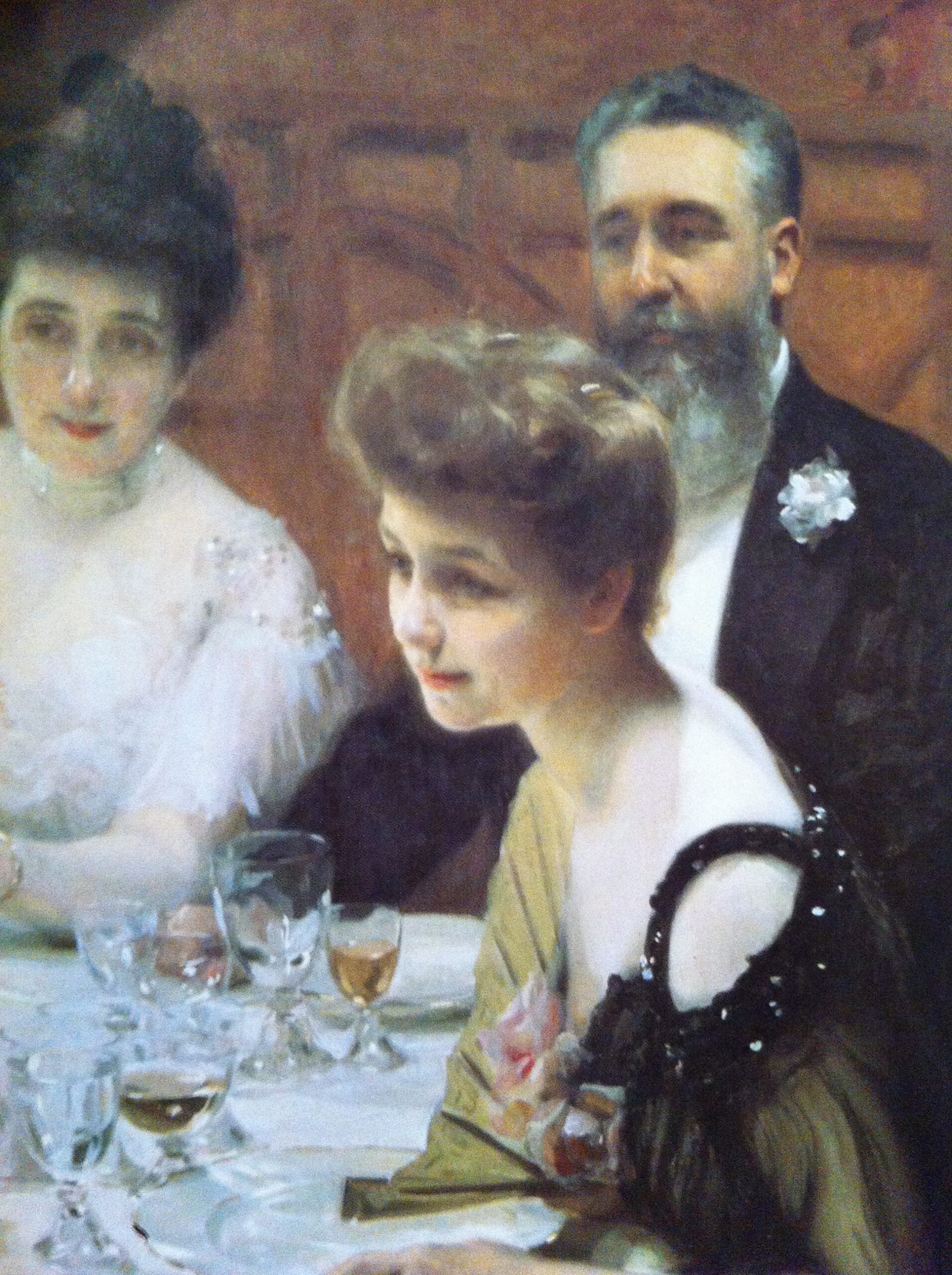
I well remember that last meal on the Titanic. We had a big vase of beautiful daffodils on the table, as fresh as if they had just been picked. Everybody was gay, and people were making bets on the probable time of this record breaking voyage.
First class passenger Lady Duff-Gordon
Titanorak alert
Titanoraks are those people obsessed with every detail of Titanic. They normally stick to themselves, but they will be out in droves for the centennial. In case of an encounter, arm yourself with knowledge: this link provides some of the best Titanic sources.
Julian Fellowes happens to be one of the most famous of the bunch. His Downton Abbey storylines are directly tied to the sinking of the Titanic. His upcoming Titanic four-part mini-series might best be described as “Downton at Sea”, continuing the interactions of the social classes. A large portion of its audience will likely be Downton fans anxiously awaiting Season 3.
Dining with the Astors
The best-known passenger was Colonel John J. Astor, the richest man in America at the time. We discussed at the outset that the upper classes were obsessed with proper etiquette and rituals as a way of enforcing class distinction. You may find inspiration from some of these rituals for your own Titanic Tribute.
- A bugler called the passengers to dinner with the tune “The Roast Beef of Old England”.
- The gentleman offered his right arm to his lady and escorted her to her place, which was always to his right, held her chair for her, then sat down himself.
- Menus were greatly influenced by the elaborate and heavily sauced cuisine of noted French Master Auguste Escoffier.
- As you can tell from the 1st-class menu, the variety allowed one to eat as little or as much as one liked. While Edwardians had legendary appetites, much of the food was likely left on their plates.
- Titanic loaded 1,221 quarts of oysters when it left Southampton and was a staple in first class.
- The common after-dinner custom was to divide the gentlemen and ladies, the former to smoke cigars, the latter to gather for coffee, cordials, or port.
The Titanic Tribute Dinner Menus and Recipes: A Recap
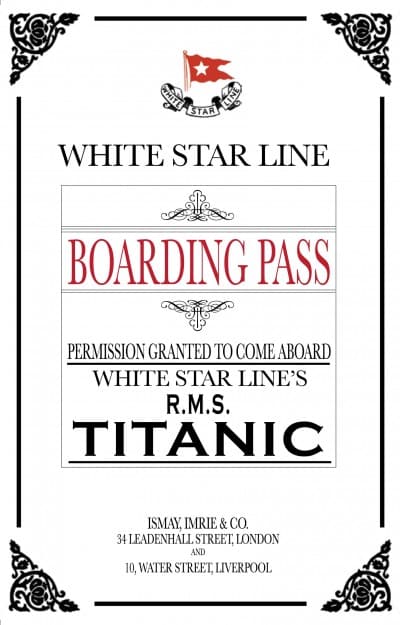
Over the last few months, we have been steadily working through Titanic menus and recipes. If you are planning a tribute dinner, you should already be deep in planning. My talented friend Eva prepared invitations for her friend’s upcoming party. She blogs about food at Kitcheninspirations, but she is also a very talented graphic designer. I am partial to her work, particularly since she designed our wedding invitations. Testing dishes is also an important part of the process. I have used actual Titanic menus and Last Dinner on the Titanic as guides. The book not only lists recipes for the specific dishes mentioned, but also provides alternative dishes popular at that time.
Here is a list of all the dishes from all 3 menus:
- Titanic Menus
- Appetizers
- Soups
- Main Course
- Side Dishes
- Palate Cleansers
- Desserts
- Medicinal
The First Course in 1st Class
The actual 1st class menu doesn’t describe the first course in detail, other than to indicate “hors d’ouevre variés” and “oysters”. Titanorak foodies have contented themselves with agreeing on Canapés à L’Amiral, an Escoffier standard. If you wish to explore other possibilities, you may wish to consult a classic French cookbook.