 Every February 2nd, Americans gather to watch a plump rodent supposedly predict the weather. It’s charming, it’s silly, and it’s become a beloved tradition. But here’s what most people don’t know: for decades, Groundhog Day celebrations ended with the groundhog on the table—roasted, barbecued, or stewed.
Yes, they ate him.
As someone who’s spent years exploring food history and the surprising stories behind what ends up on our plates, this is exactly the kind of tradition I love uncovering. And this one has roots that stretch all the way back to Britain.
From Candlemas to “Grundsaudaag”: A British Tradition Crosses the Atlantic
Groundhog Day didn’t begin in Pennsylvania. It began with Candlemas, the Christian feast day celebrated on February 2nd throughout Britain and Europe for centuries. In medieval England, Candlemas marked the midpoint of winter and was loaded with weather lore. The belief was simple: if the sun shone brightly on Candlemas, more winter was coming. If the day was cloudy, spring would arrive early.
On the Continent, particularly in German-speaking regions, this weather prediction became tied to animals. If a hedgehog or badger emerged and saw its shadow on Candlemas, six more weeks of winter lay ahead.
When German settlers arrived in Pennsylvania, they brought this Candlemas tradition with them. There was just one problem: no hedgehogs. But there were plenty of groundhogs—those rotund, burrowing woodchucks that dotted the Pennsylvania countryside. The groundhog became the stand-in prophet.
By the early 19th century, Pennsylvania German farmers were celebrating “Grundsaudaag”—Groundhog Day—as a moment to watch the sky, observe the animal, trade predictions with neighbors, and sit down to a hearty winter meal.
When Groundhog Was Actually on the Menu
Here’s where the story takes a turn that shocks modern readers: in those early celebrations, the groundhog wasn’t just the forecaster. He was the main course.
In Pennsylvania Dutch country and around Punxsutawney, groundhog was treated like any other small game—something you hunted in season and cooked slowly until tender. At lodge gatherings and local “Groundhog Clubs,” men would hunt woodchucks and then hold feasts where roast or barbecued groundhog sat proudly at the center of the table.
How did it taste? Period accounts describe it as somewhere between pork and chicken—rich but mild, and always better after a long soak in brine or marinade before roasting or stewing.
But this wasn’t a one-dish meal. Early 20th-century descriptions paint a picture of true Pennsylvania Dutch farmhouse cooking:
- Fried groundhog served alongside dandelion greens with hot bacon dressing and a generous scoop of mashed potatoes
- Groundhog stew simmered slowly with carrots, potatoes, and onions
- Barbecued groundhog at summer picnics, served with corn-on-the-cob and cold beer
The Punxsutawney Groundhog Club’s summer picnics became almost archetypal: long tables, smoky meat, simple sides, and plenty of storytelling about what the groundhog did or didn’t predict that year.
How a Local Folk Day Went National (and the Groundhog Got a Reprieve)
For decades, this all stayed fairly local. Groundhog Day as we know it coalesced in the 1880s in Punxsutawney, where the local newspaper first joked about the groundhog’s weather-predicting powers in 1886. The following year, enthusiasts trekked to Gobbler’s Knob for what’s often called the first “official” Groundhog Day.
At first, it was pure lodge culture: the hunt, the feast, the drinking, and the in-jokes about the weather. But newspapers beyond Pennsylvania couldn’t resist the image of a sleepy animal forecasting the seasons. Radio and television gave Punxsutawney Phil celebrity status, and he transformed from a local quarry into a national mascot.
By the time the 1993 film Groundhog Day cemented February 2nd in the American imagination, Phil had become far too famous to eat. The practice of hunting and serving groundhogs at official events quietly faded away.
Today, you’ll be relieved to know that Punxsutawney Phil is definitely not on the menu. Modern Groundhog Day celebrations feature pancake breakfasts, groundhog-shaped cookies, themed cupcakes, and standard festival fare. The groundhog himself is more likely to be offered a ceremonial “elixir of life” than to appear anywhere near a roasting pan.
Bringing Groundhog Day History to Your Table
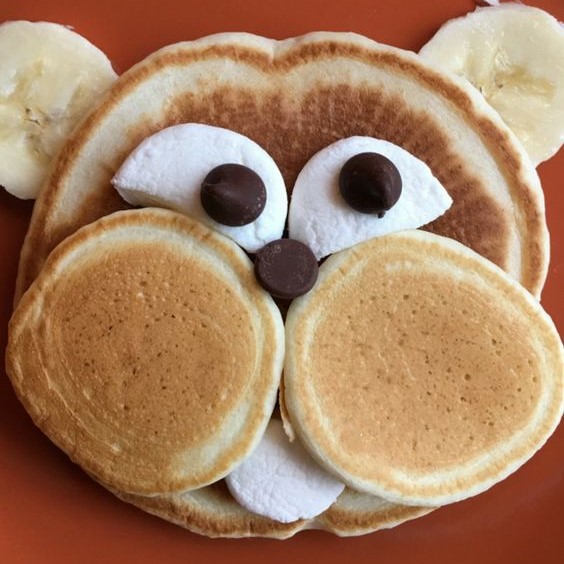
You don’t need to source woodchuck to honour this tradition (and I wouldn’t recommend trying). But you can build a historically-inspired Groundhog Day menu that nods to those Pennsylvania Dutch roots:
Make a pancake breakfast: Create fun groundhog shapes with your favourite pancake batter.
For the main course: A rich, slow-cooked rabbit or chicken thigh stew with carrots, potatoes, and onions captures the rustic character of the original dish.
For the greens: Dandelion greens (or a mix of hearty winter greens) with warm bacon-vinegar dressing—a direct echo of that classic Pennsylvania Dutch pairing.
For the starch: Mashed potatoes or Pennsylvania Dutch-style potato filling, a baked mash with bread cubes and onions.
For colour and acidity: Bright pickled beets or other preserved vegetables, just as a Pennsylvania farmhouse table would have offered in late winter.
For dessert: Lean into the playful side with groundhog-shaped cookies or chocolate “burrow” cupcakes.
The Story on Your Plate
What I love about food history is how it reveals the practical, sometimes surprising realities behind our most familiar traditions. Groundhog Day began as Candlemas, a British and European observance of light and weather. German immigrants carried it across the Atlantic, swapped the hedgehog for a woodchuck, and for generations, honoured the day by eating the very animal they watched for predictions.
Today, we’ve traded the roasting pan for fondant and frosting, and the groundhog himself lives to predict another year. But the story remains—and there’s something wonderful about setting a table that holds both the history and the whimsy of how we got here.