Holiday baking season is here, and small tarts earn their spot on every cookie tray. They bake fast, freeze well and vanish faster. Two old favorites get mixed up all the time: the butter tart and the Banbury tart. Here’s the short answer. A butter tart has a gooey filling of butter, brown sugar and eggs. A Banbury tart has a tangy filling of chopped raisins and lemon. Same pastry shell, very different bite. Below you’ll find how to tell them apart, where each one came from, and a recipe for both.
Butter Tarts vs. Banbury Tarts at a Glance
| Butter Tart | Banbury Tart | |
| Filling | Butter, brown sugar and eggs | Chopped raisins, sugar, egg and lemon |
| Texture | Gooey, caramel-like center | Thick, jammy fruit filling |
| Flavor | Rich and very sweet | Tangy and fruity |
| Pastry | Open-faced shell | Open-faced shell |
| Raisins | Optional (and argued about) | Essential (sometimes currants) |
| Origin | Canada, first printed in 1900 | Named for Banbury, England, famous for its cakes since the 1500s |
| Closest American cousin | Pecan pie, minus the nuts | Old-fashioned raisin pie |
If your tart is sticky and sugary, it’s a butter tart. If it’s fruity and makes you pucker a little, it’s a Banbury.
Banbury: A Pastry Town With 400 Years of Practice
Banbury is a market town in Oxfordshire, England. Its bakers were famous for Banbury cakes long before Banbury tarts. The first written mention of Banbury cakes dates to 1586. In 1615, Gervase Markham printed a recipe in The English Huswife. It called for four pounds of currants. That’s not a typo. The town was famous enough that Ben Jonson made the hypocrite in his 1614 play Bartholomew Fair a Puritan baker from Banbury.
Today’s Banbury cake is a flat oval of flaky puff pastry filled with currants, candied citrus peel, brown sugar and spice, sometimes with a splash of rum. It’s a close relative of the round Eccles cake and a regular at English afternoon tea. For more teatime ideas, see my Guide to Afternoon Tea.
From Banbury Cake to Banbury Tart
Over the centuries, Banbury recipes drifted away from big yeast cakes toward something closer to tarts and turnovers. Today the pastry is the easiest way to tell them apart. A Banbury cake uses flaky puff pastry. A Banbury tart uses ordinary tart pastry, the same kind you’d use for pie.
The tart filling has its own personality. Old American and Canadian community cookbooks print the same basic formula again and again: chopped raisins, sugar, a beaten egg, the juice and grated rind of a lemon, and a crushed cracker or two. I have adapted this recipe from The Official Downton Abbey Afternoon Tea Cookbook, which uses nearly the same lineup. Some cooks add walnuts or use currants. The lemon is the giveaway. Skip it and you’ve made a plain raisin tart.
Where Butter Tarts Really Come From
Butter tarts are a Canadian classic, and we know exactly where they first showed up in print. In 1900, the Women’s Auxiliary of the Royal Victoria Hospital in Barrie, Ontario, put out a fundraising cookbook. On page 88, Mrs. Malcolm MacLeod shared a recipe called “Filling for Tarts.” Here it is, word for word: “One cup sugar, ½ cup butter, 2 eggs, 1 cup currants; mix. Fill the tarts and bake.” That’s it. Cooks were expected to know the rest. The Simcoe County Archives holds the original book.
So where did Mrs. MacLeod get the idea? Nobody knows for sure. Food historians point to a few likely ancestors:
- Border tarts and Ecclefechan tarts. These Scottish tarts come from near the English border. They’re filled with butter, brown sugar, eggs and dried fruit. Elizabeth Baird, former food editor of Canadian Living, told CBC Radio that butter tarts started out as border tarts, brought by Scottish immigrants from the border area.
- Sugar pie (tarte au sucre). This French-Canadian pie may go back to the “King’s Daughters,” young French women sent to settle New France in the 1600s.
- Treacle tart. This English favourite uses golden syrup, a pale cane syrup a lot like light corn syrup.
My money is on the border tart too. Banbury still looks like a cousin. There’s just no paper trail to prove it’s the parent.
What Would Have Been on the Downton Tea Tray?
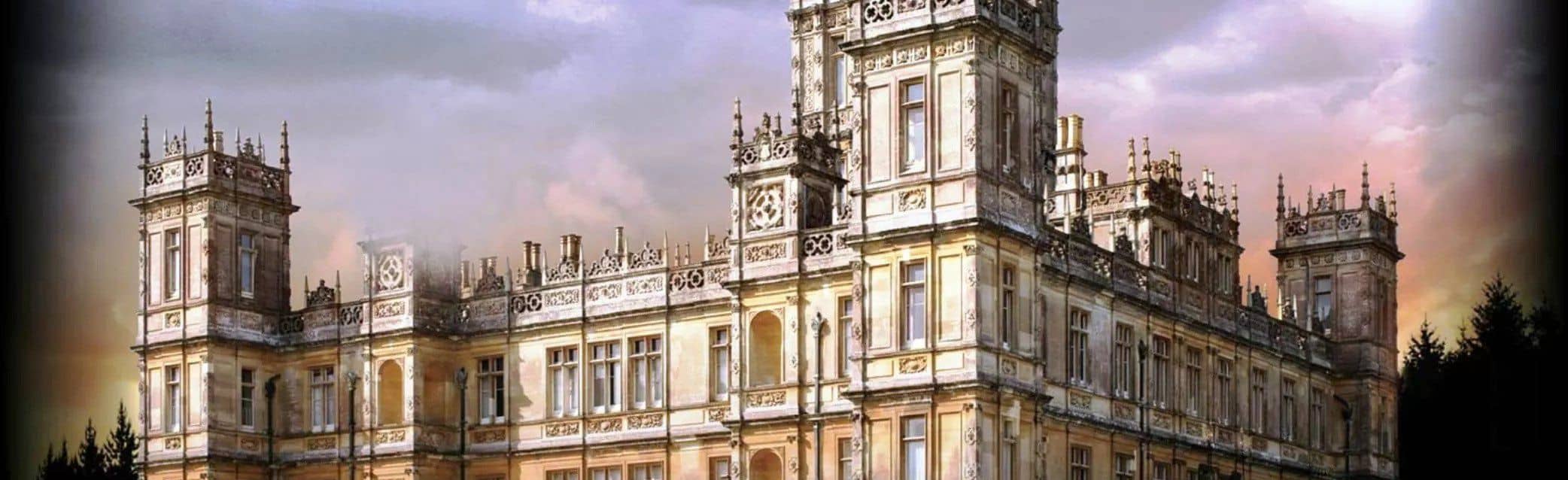
Edward VII took the throne in 1901, a year after Mrs. MacLeod’s recipe came out. That makes the butter tart a brand-new treat at the start of the Edwardian era, and a Canadian one at that. The Banbury cake was already more than 300 years old. A Yorkshire country house tea in 1912 was far more likely to offer something from Banbury than a butter tart. Even the official Downton Abbey tea cookbook includes Banbury tarts. Mrs. Patmore would have known her currants.
Which One Should You Bake?
Bake butter tarts when you need a crowd-pleaser for a cookie swap, a potluck or the holiday dessert table. They’re rich, they travel well, and they freeze beautifully. Bake Banbury tarts when you want something lighter with a pot of tea, or when your guests have had their fill of sugar. The lemon cuts the sweetness and wakes up the raisins. If you like a tart with a bit of tang, try my Yorkshire Curd Tart too.
Better yet, bake both. Set them out side by side and let your guests pick a team.
Butter Tarts
These tarts empty the tray first. The filling bakes up glossy and just sets, with a crisp, flaky shell around it. Honey adds a little depth, and the raisins keep every bite from tasting like straight sugar.

Best Canadian Butter Tarts with Raisins (Runny Filling)
Equipment
- 1 muffin tin
Ingredients
- ½ cup butter melted and cooled slightly
- 1½ cups packed brown sugar
- 3 large eggs room temperature
- 2 tsp vanilla
- 3 tbsp heavy cream
- 2 tbsp corn syrup
- 1 Pinch salt
- ⅔ cup raisins plumped, dried, lightly floured
- 1 Pie Pastry

Instructions
Prepare Pastry
- Roll out, cut 4 inch circles, line muffin tins. Chill while making filling.
Prepare Filling
- Plump raisins in hot water 10 minutes. Drain, pat bone dry, toss lightly in flour.
- Melt butter, let cool slightly.
- Whisk eggs until frothy. Slowly whisk in cooled melted butter.
- Add brown sugar, vanilla, cream, corn syrup, salt. Whisk until smooth. Stir in raisins.
- Fill tart shells ⅔ full.
- Bake at 425°F for 15-18 minutes until pastry is golden and filling has a definite jiggle in the center.
- Pull them when the pastry is golden and the filling has a definite jiggle in the center - think like a loose jello.
- The filling will still look slightly wet and glossy on top. Cool completely before eating or they'll be molten lava
Banbury Tarts with Lemon and Raisins
Banbury tarts are small lemon and raisin tarts named after Banbury, England. They’re different from Banbury cakes, which are filled with currants and candied peel, and from Canadian butter tarts, which have a sweet butter-and-sugar filling.
Same crust, completely different filling. There’s no brown sugar, honey or vanilla here, and only a spoonful of butter. Lemon and crushed crackers do the work instead, and you mix it all in a bowl with no stove needed.
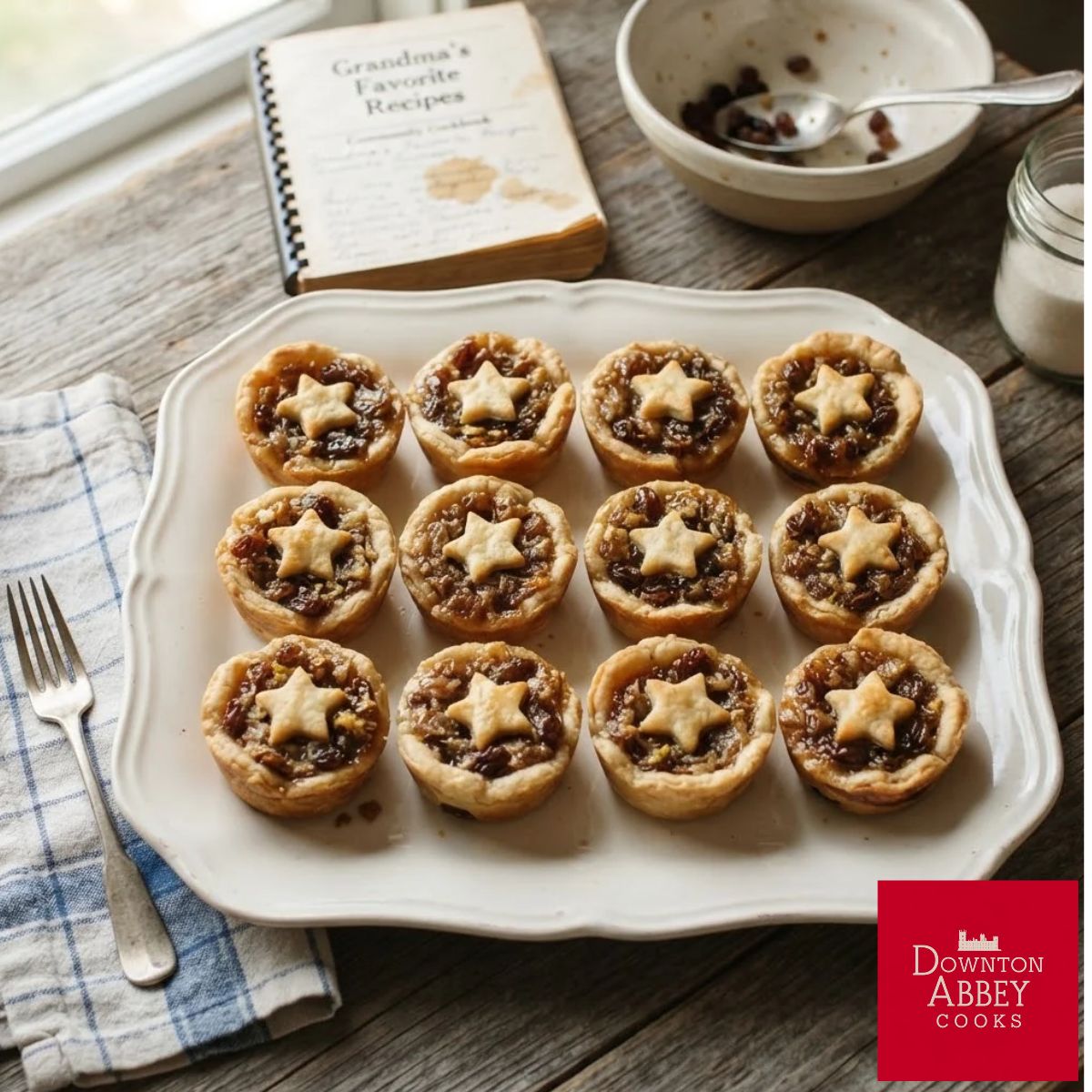
If butter tarts are too sweet for you, this is your tart. The filling bakes up thick and jammy, and the lemon gives it a bright, fresh finish. They bake in the same tins as the butter tarts, so you can set the two side by side on one platter. Top each one with a little pastry star, and nobody will mix them up. They’re made for a cup of tea.
Banbury Tarts with Lemon and Raisins
Equipment
Ingredients
- 1 1/2 cups raisins (255 g) finely chopped
- 1 cup water
- 2/3 cup granulated sugar (140 g)
- 4 regular soda crackers crushed fine (about 1/4 cup crumbs)
- 2 tsp lemon zest grated
- 2 tbsp. lemon juice fresh
- 1 large egg lightly beaten
- 1 batch of My Granny’s Versatile Pie Crust 2 crusts
Instructions
- Roll the dough ⅛ inch thick. Cut 12 4-inch rounds and press them into muffin pans. Cut 12 small stars from the scraps for the tops.
- Place the pan in the freezer until chilled (about 30 minutes.
- Heat the oven to 375°F.
- Prick the bottom and sides of the pastry cups. Bake for 10 minutes until golden. Let cook completely on a wire rack.
- In a heavy saucepan over high heat, combine the raisins, water, sugar, crackers and lemon zest and bring to a boil, stirring to dissolve the sugar. Reduce the heat to low and simmer uncovered, stirring occasionally until slightly thickened, about 10 minutes. Remove from heat and sitr in the lemon juice and egg until combined.
- Divide the filling evenly among the 12 shells, about two-thirds full.
- Lay a pastry star on top of each tart.
- Bake 30 minutes, until the pastry is golden and the filling bubbles at the edges. Cool in the pans for 10 minutes before lifting them out.
Notes
Nutrition
My Granny’s Versatile Pie Crust
My granny grew up helping feed ten brothers and sisters, so she needed a crust that never failed. Baking powder and ginger ale keep it tender and easy to roll. One batch makes two crusts, enough for either recipe above. Make an extra batch and freeze it. You’ll thank yourself during the holidays.

My Granny's Versatile Pie Crust
Equipment
Ingredients
- 3 cups unbleached white flour 360 g
- 1 tsp. baking powder
- 1 pinch salt
- 1 cup vegetable shortening 191 g
- 3/4 cup ginger ale ice cold (177 g)
Instructions
- In a large shallow bowl, sift the flour, baking powder and salt.
- Cut in the vegetable shortening with a pastry blender or two forks until all the shortening has been incorporated
- Add the ginger ale and bring together into a dough.
- Divide into two equal parts, flatten into disks and refrigerate for at least 30 minutes before using.
Notes
Butter Tart and Banbury Tart FAQs
Are Banbury tarts and butter tarts the same thing? No. Butter tarts have a sweet, gooey filling of butter, brown sugar and eggs. Banbury tarts have a tangy filling of chopped raisins and lemon.
Where do butter tarts come from? Canada. The earliest known printed recipe appeared in a 1900 hospital fundraising cookbook from Barrie, Ontario.
Did the first butter tarts have raisins? The 1900 recipe used currants. Today raisins are optional, and Canadians still argue about whether they belong.
How is a butter tart different from pecan pie? The fillings are similar, but a butter tart is runnier, comes in a single-serving size and usually skips the nuts.
What is a Banbury cake? It’s the English original: a flaky oval pastry filled with currants, candied peel, brown sugar and spice, made in Banbury, Oxfordshire, since at least the 1500s.
A Final Thought
Great food has a history, and sometimes that history comes with a question mark. Butter tarts and Banbury tarts share a pastry shell, a soft spot for raisins and British roots somewhere in the family. They don’t share a recipe. Bake one of each and you’ll taste the difference in the first bite.
Sources
- Oxford County Archives: Butter Tarts (includes the 1900 recipe text)
- CBC Radio: The sweet, sticky and sometimes divisive history of the butter tart
- The Official Downton Abbey Afternoon Tea Cookbook (2020): Banbury Tarts
- Wikipedia: Banbury cake
- Simcoe County Archives: Mrs. Malcolm MacLeod and her recipe for butter tart filling
- Dictionary of Canadianisms on Historical Principles: butter tart
- CooksInfo: Banbury Cakes
- CooksInfo: Ecclefechan Butter Tarts
- Gervase Markham, The English Huswife (London, 1615)