 The United States turns 250 on July 4, 2026. The fireworks look much as they did a century ago. The food on the table does not. Here is the then and now, course by course, and what it tells you about how America came to eat.
The Fourth of July has always eaten with the times. The flag, the fireworks, and the ice cream stay put. Almost everything else on the plate has moved with the century. Set a Gilded Age summer table next to a 2026 backyard cookout and you get a tidy little history of American taste, told in food.
So let us set two tables side by side. One for the Vanderbilts in Newport. One for your patio this summer. The afters here are simple. By the end you will read any “classic American” menu the way a food historian does, and you will have a few easy ideas for your own Fourth.
If you want the full social history of the era first, I have written plenty on how the other half dined in The Gilded Age. This piece is the head to head.
First, who is cooking
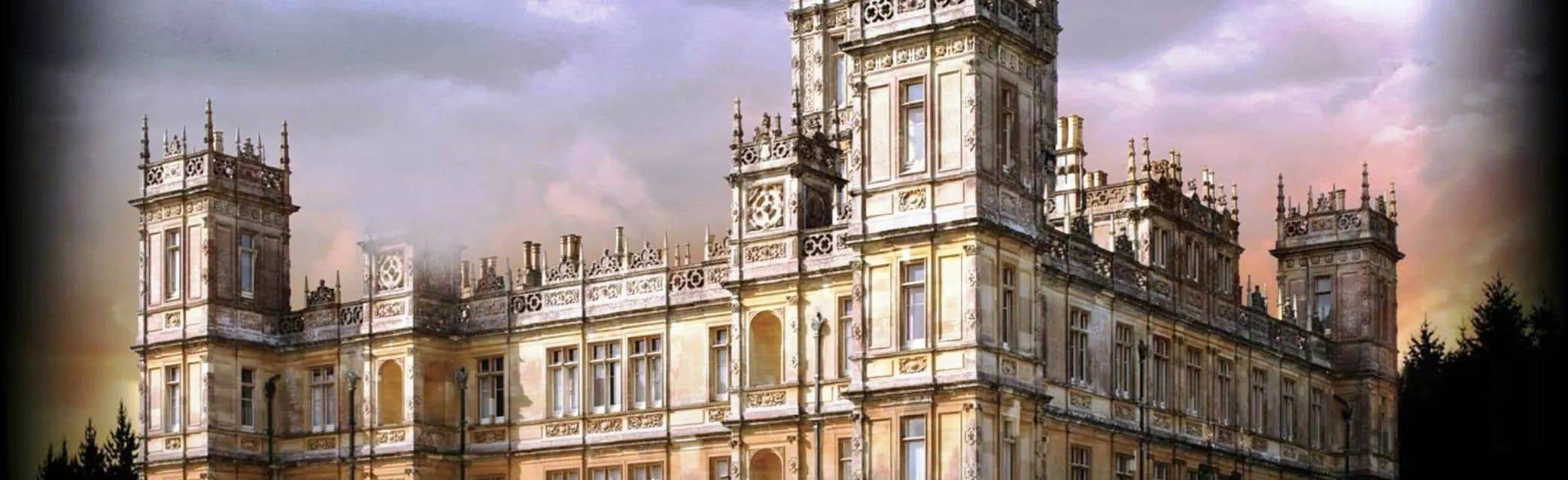
Then: Armies of specialized staff. In the great Newport “cottages,” French chefs, pastry cooks, and liveried footmen served multi-course dinners on fine china. Delmonico’s in New York, led by chef Charles Ranhofer, set the standard the rich copied at home. The flex was the number of servants behind your chair.
Now: One person at a grill, usually with a spatula and a cold drink. The cooking moved from the servants’ hall to the back deck. The flex is no longer the size of your kitchen staff. It is the char on your brisket and the story behind your local corn.
Ice cream: the one thing that never changed
Then: Ice cream was the sweet crown of a Gilded Age summer. Ice was cut from ponds in winter, packed in sawdust in an icehouse, and hand-cranked into cream on the Fourth. It took real labor, so it meant something.
Now: A tub costs a few dollars and lives in your freezer year round. The American Farm Bureau puts ice cream in its 2026 cookout basket alongside the burgers and lemonade. The machine did the cranking a long time ago.
A century and a half apart, and ice cream is the constant. That is the whole point. Every era keeps the one dish everyone came for and reinvents the rest around it.
The showpiece: from lobster Newburg to the lobster roll
Then: The grand table leaned on Lobster à la Newburg, invented at Delmonico’s, rich with cream, butter, sherry, and egg yolk. In New England, the Fourth meant poached salmon with egg sauce, the first new potatoes, and early peas. Formal, seasonal, and built to show off.
Now: The showpiece is a Maine lobster roll or a dry-aged steak off the grill. Same lobster, far less fuss. We took the most prized shellfish of the Gilded Age, pulled it out of the cream sauce, and put it in a toasted bun you eat with your hands.
Same instinct, different manners. Both tables pick seafood to impress. The Gilded Age drowned it in a French sauce. We let the butter and the roll do the talking.
The centerpiece: from roast and game to burgers and hot dogs
Then: Roasts and game birds anchored the savoury courses, carved and served hot by staff. A proper summer dinner was a sit-down affair with many plates.
Now: Burgers and hot dogs, cooked over fire and passed around. The all-American cookout plate we treat as timeless is younger than the mansions. The hamburger and the hot dog were brought over and popularized by German immigrants, then became the taste of Independence Day itself.
The Vanderbilts would have recognized good beef and been baffled by the bun. A ground-beef patty in your hand was not dinner in their world. It is the center of the table in ours.
The drink: from French Champagne to lemonade and iced tea
Then: The wealthy toasted with imported French Champagne and clarets, poured by a wine steward. The everyday celebration ran on lemonade, sometimes the pink kind, and on iced tea, which was catching on fast. The oldest printed sweet iced tea recipe appears in an 1879 cookbook, Housekeeping in Old Virginia, made possible by the same pond ice that chilled the ice cream.
Now: Fresh-squeezed lemonade and iced tea are both still cookout staples, right where they have always been. Iced tea got its big break at the 1904 World’s Fair in St. Louis and never looked back. The Champagne moved to weddings. The pitchers never left the Fourth.
Same holiday, two price tags. One table showed its wealth in the bottle. The others showed their warmth in the pitcher. Both are still with us. Only the everyday drinks truly belong to the Fourth.
Thrift: the icehouse then, the food-safety rule now
Then: Keeping food cold in July took planning. Families cut pond ice in winter and buried it in sawdust so it would last until summer. Nothing about a cold dessert was casual. It was earned.
Now: The cooler and the fridge did away with the icehouse, but the worry lives on in a new form. The USDA reminds us that perishable food should not sit out more than two hours, and only one hour once it climbs above 90 degrees. Different tool, same old respect for what heat does to food.
Same problem, a century apart. One generation fought the heat to make the treat. Ours fights it to keep the potato salad safe. The Gilded Age cook would have understood the cooler perfectly, and probably envied it.
What a Fourth of July costs now
Here is a number the Gilded Age would have found quaint. The American Farm Bureau says a 2026 cookout for 10 people costs $73.82, about $7.38 a head, covering cheeseburgers, chicken, pork chops, chips, beans, strawberries, potato salad, lemonade, cookies, and ice cream. A single Newport dinner party could run through a working family’s yearly wage. The celebration got cheaper, and far more of us got invited.
Set your own then-and-now table
You do not need a Newport cottage to taste the contrast. Here is how to put both centuries on one table.
The Gilded Age side is easier than it sounds. Poached salmon with new potatoes and peas is the true old New England Fourth, and it still tastes like summer. Finish with hand-churned vanilla ice cream and a pitcher of lemonade or iced tea and you have the 1890s on a plate.
For the 2026 side, keep it simple. Burgers and hot dogs off the grill, a lobster roll if you are feeling grand, and a red, white, and blue berry dessert. Put the salmon and the burgers on one table and you have served 250 years of the Fourth in one sitting.
Fourth of July food, then and now: quick answers
What did wealthy Americans eat on the Fourth of July in the Gilded Age? Multi-course French-style dinners with dishes like Lobster à la Newburg, roasts, and game, plus hand-churned ice cream, served by staff on fine china. In New England the traditional Fourth meal was poached salmon with egg sauce, new potatoes, and early peas.
What are the most popular Fourth of July cookout foods in 2026? Burgers, hot dogs, chicken, potato salad, chips, fresh lemonade, and ice cream, often with a red, white, and blue dessert for America’s 250th birthday.
What has stayed the same? Ice cream, fresh lemonade, and iced tea. All three were Fourth of July staples in the 1800s, and all three are still on the table in 2026.
How much does a 2026 Fourth of July cookout cost? The American Farm Bureau puts a cookout for 10 at $73.82, about $7.38 per person.
When is America’s 250th birthday? July 4, 2026, the Semiquincentennial.
A final thought
Two hundred and fifty years of the Fourth tell the same story as 250 years of the country. America kept its ice cream and its lemonade and changed almost everything else on the plate. The French chefs gave way to the backyard grill. The mansion dinner gave way to the potluck. That is not a loss of tradition. It is how a tradition stays alive, and how it finally made room for everyone. Keep the ice cream, fire up the grill, and you are eating in good company across the whole American story.
If you set a then-and-now table this Fourth, I would love to see it. Pass this along to the history fan who watches the fireworks with a plate in their lap.