 What did people really eat on Halloween 500 years ago? Long before candy corn and chocolate bars, Halloween had its own delicious traditions: Soul Cakes the original trick-or-treat), Irish Barmbrack (a fortune-telling bread that predicted marriage or poverty), and hearty Colcannon that warmed cold October evenings.
These aren’t just recipes—they’re edible history connecting us to ancient Celtic festivals, medieval charity, and the servants’ halls of great houses like Downton Abbey. Discover where Halloween food traditions truly began and how you can recreate them in your own kitchen.
The Celtic Origins: Samhain and Food
Where Halloween Food Traditions Began
Halloween originated 2,000 years ago from the Celtic festival of Samhain (pronounced “Sow-win”), celebrated on October 31st. The ancient Celts believed this night marked when the veil between the living and dead grew thinnest—and food played a crucial role in the celebration.
Ancient Samhain food traditions:
- Food offerings left outside to appease wandering spirits
- Communal feasts featuring the autumn harvest
- Livestock slaughtered before winter (fresh meat was a rare treat)
- Special ale and mead were brewed for the occasion
- Nuts and apples are used for fortune-telling games
When Christianity spread through Ireland and Britain, these pagan customs merged with Christian holy days—All Saints’ Day (November 1st) and All Souls’ Day (November 2nd). October 31st became All Hallows’ Eve (Halloween), and the food traditions evolved with it.
The most essential culinary tradition to emerge? Soul Cakes.
Soul Cakes: The Original Halloween Treat
What Are Soul Cakes?
Soul Cakes are small, round spiced biscuits marked with a cross—and they’re the reason trick-or-treating exists.
From the medieval period through the Victorian era, these simple pastries were given to “soulers” who went door-to-door on All Souls’ Day (November 2nd) offering prayers for the dead. Each Soul Cake given was believed to release one soul from purgatory.
What made Soul Cakes special:
✓ Quick to make – Ready in under 30 minutes
✓ Simple ingredients – Butter, sugar, eggs, currants, spices
✓ Long shelf life – Could be stored for a week or frozen
✓ Marked with a cross – Symbolized Christianity and salvation
✓ Delicious flavour – Spiced with cinnamon, nutmeg, and allspice
The Recipe Everyone Could Make
Rich households might add expensive spices like saffron or rose water. Poor families made simpler versions with whatever they had. But everyone could participate—making Soul Cakes a true community tradition that crossed class boundaries.
Key ingredients in traditional Soul Cakes:
- Butter and sugar – Creamed for light texture
- Egg yolks – Richness (whole eggs were saved for other uses)
- Currants – Dried fruit symbolizing prosperity
- Mixed spice – British blend of cinnamon, nutmeg, allspice
- The cross – Always marked on top before baking
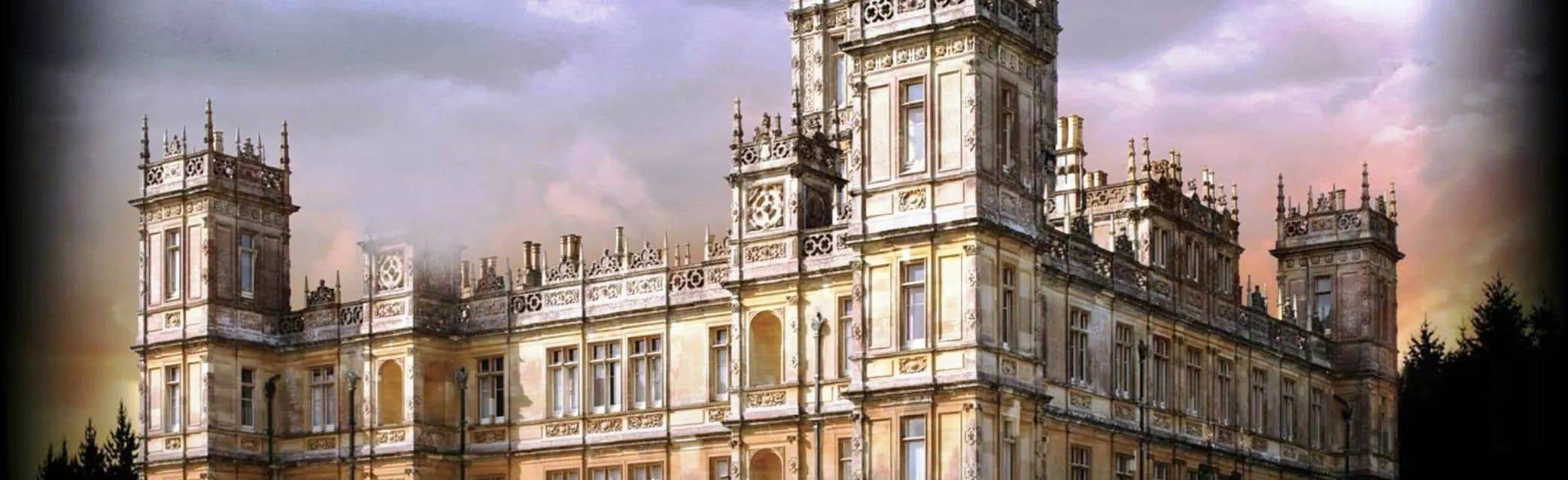
In the Downton Abbey era (1910s-1920s), Mrs. Patmore and cooks like her still prepared Soul Cakes in great house kitchens, maintaining recipes passed down through generations of servants.
Get the authentic Victorian Soul Cakes recipe →
From Soul Cakes to Trick-or-Treating
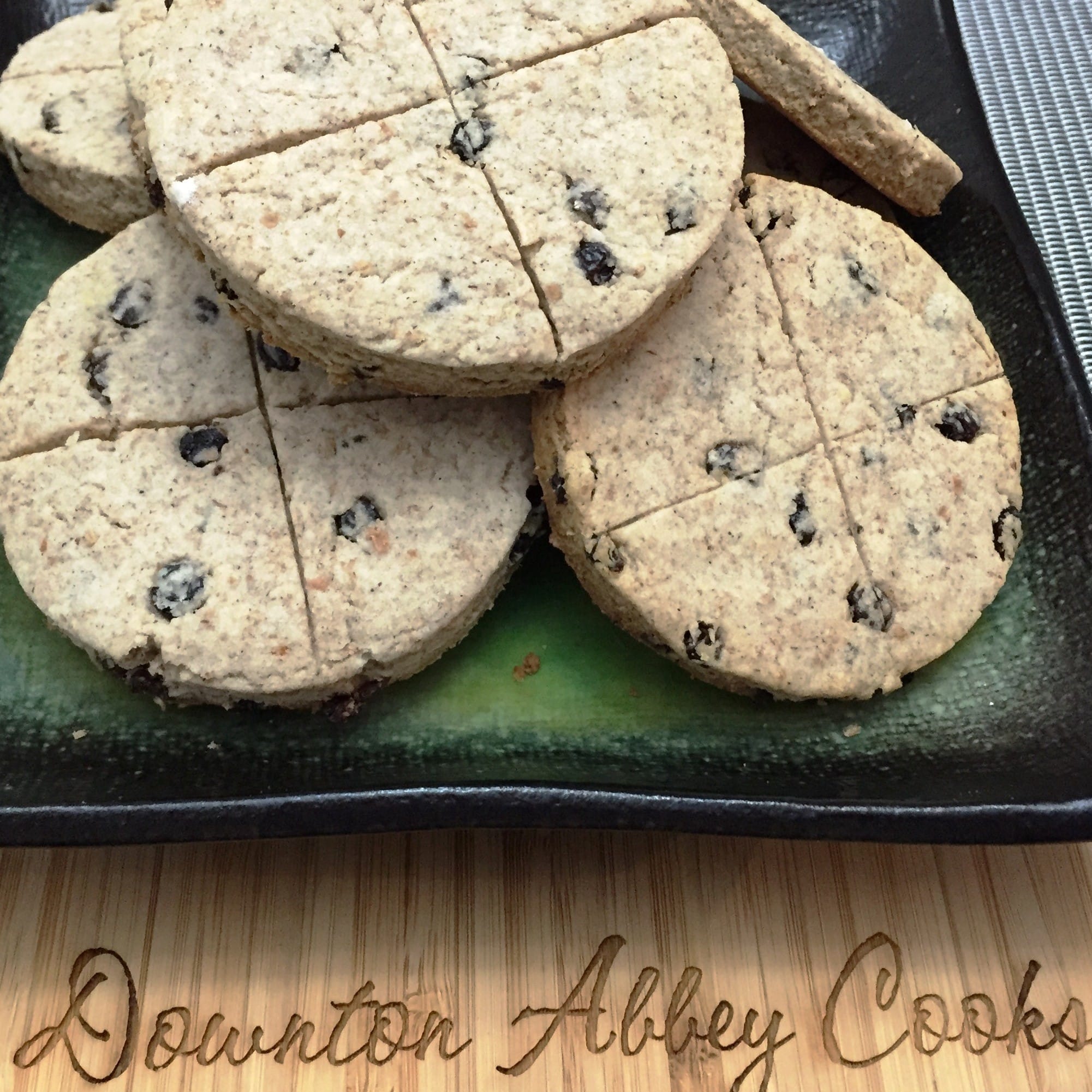
The Medieval Tradition of Souling
“Souling” was a medieval practice that evolved into modern trick-or-treating. Here’s how it worked:
Who: Children and the poor
When: All Souls’ Day (November 2nd), sometimes Halloween (October 31st)
What they did: Went door-to-door singing, offering prayers for deceased family members
What they received: Soul Cakes, apples, ale, or other treats
The traditional souling song (dating back to at least the 1400s):
A soul! A soul! A soul-cake!
Please good Missis, a soul-cake!
An apple, a pear, a plum, or a cherry,
Any good thing to make us all merry.
How Souling Became Trick-or-Treating
1400s-1800s: Souling was widespread in Britain and Ireland
1840s-1850s: Irish immigrants bring tradition to America
Late 1800s: American children add “tricks” (pranks) if denied treats
1920s-1930s: The phrase “trick-or-treat” appears
1950s: Becomes mainstream American Halloween tradition
Soul Cakes were the original “treat”—making them the most historically authentic Halloween food you can serve.
Irish Barmbrack: The Fortune-Telling Halloween Bread

The Most Exciting Halloween Tradition
If you asked an Irish family in Victorian times what they were most excited about on Halloween, they’d say: “Cutting the Barmbrack!”
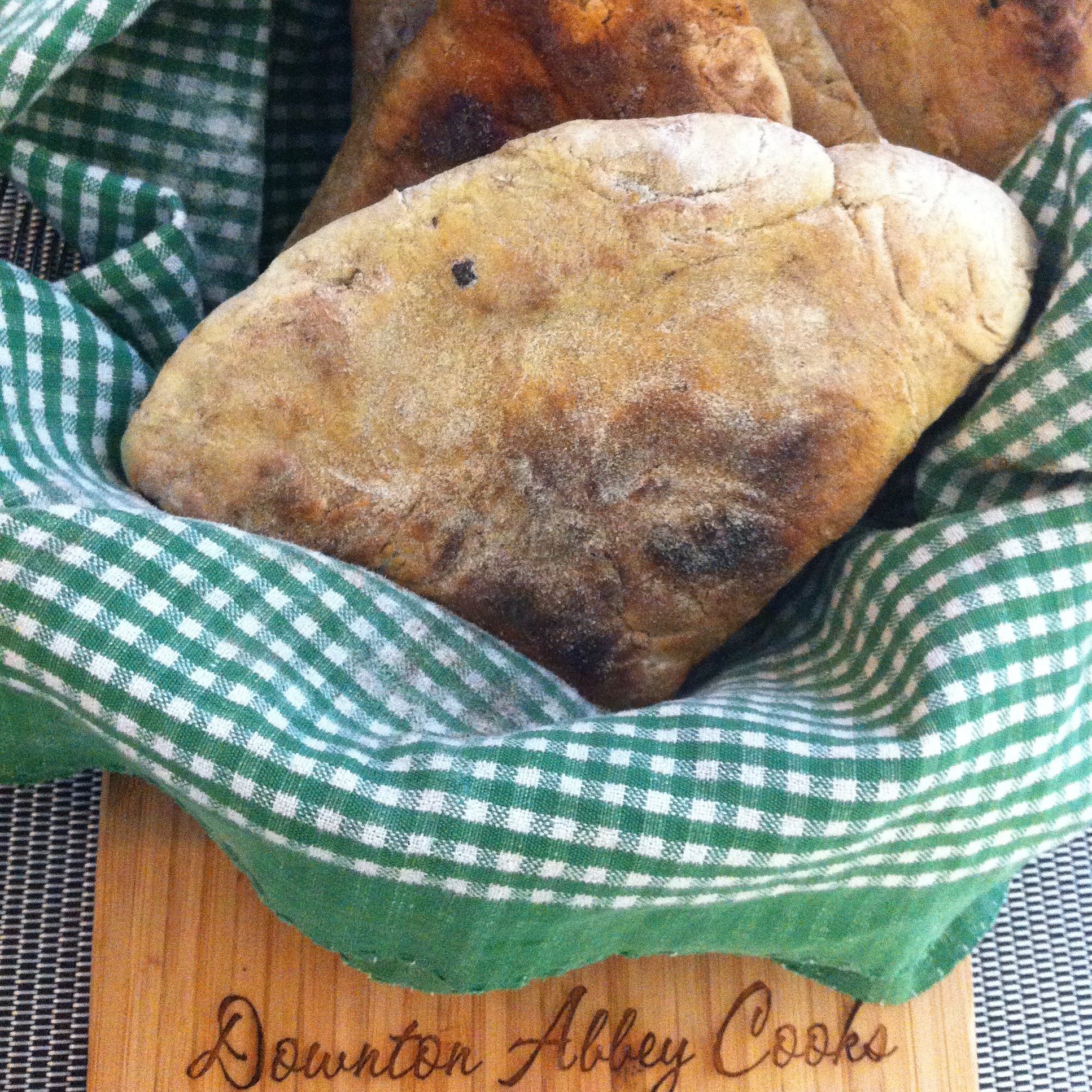
Barmbrack (Irish “bairín breac” = “speckled bread”) is a dense, moist fruit bread with a thrilling twist: hidden charms baked inside that predict your future.
How Barmbrack Fortune-Telling Works
Small charms wrapped in parchment paper are hidden in the batter before baking. On Halloween night, the family gathers and the Barmbrack is sliced—one piece for each person.
Whatever charm you find reveals your fate for the coming year.
Traditional Barmbrack Fortunes
Ring = Marriage within the year
Young people’s favorite—but panic if you weren’t ready!
Coin = Wealth and prosperity
Everyone hoped for this
Cloth/Rag = Poverty or bad luck
The worst fortune—genuine worry
Pea = You won’t marry this year
Disappointment for hopeful singles
Stick = Unhappy marriage or conflict
Sometimes called “the husband beater”
Button = Bachelorhood/spinsterhood
You’ll remain single
The Drama of Barmbrack Night
Picture the scene: Halloween night in an Irish home. The Barmbrack sits warm on the table. Family members receive their slices with anticipation and maybe a bit of dread.
The tension as each person bites carefully into their slice… the shrieks of delight or groans of dismay… the teasing and laughter. This simple bread turned Halloween into an evening of genuine suspense and entertainment.
Even at grand houses like Downton Abbey, servants would gather for Barmbrack cutting—young kitchen maids hoping for rings, footmen joking about who’d find the rag.
What Makes Barmbrack Special
The taste and texture:
- Tea-soaked fruit – Dried fruit (raisins, sultanas, mixed peel) steeps overnight in strong black tea (or Irish whiskey!), creating incredible moisture
- Warm autumn spices – Cinnamon, nutmeg, ginger, allspice fill your kitchen with irresistible aroma
- Dense, moist texture – Not fluffy bread but substantial, cake-like loaf that improves over several days
- Traditional serving – Sliced thick, spread with Irish butter, served with strong tea
Two Authentic Versions
- Yeast Barmbrack – Older, traditional style; lighter, bread-like texture
- Baking powder Barmbrack – Victorian innovation; denser, easier, faster (ready in 90 minutes!)
Both are authentic. The baking powder version became popular in the 19th century because it was foolproof—perfect for busy households.
Get the traditional Irish Barmbrack recipe with fortune-telling instructions →
Colcannon: Traditional Irish Halloween Dinner
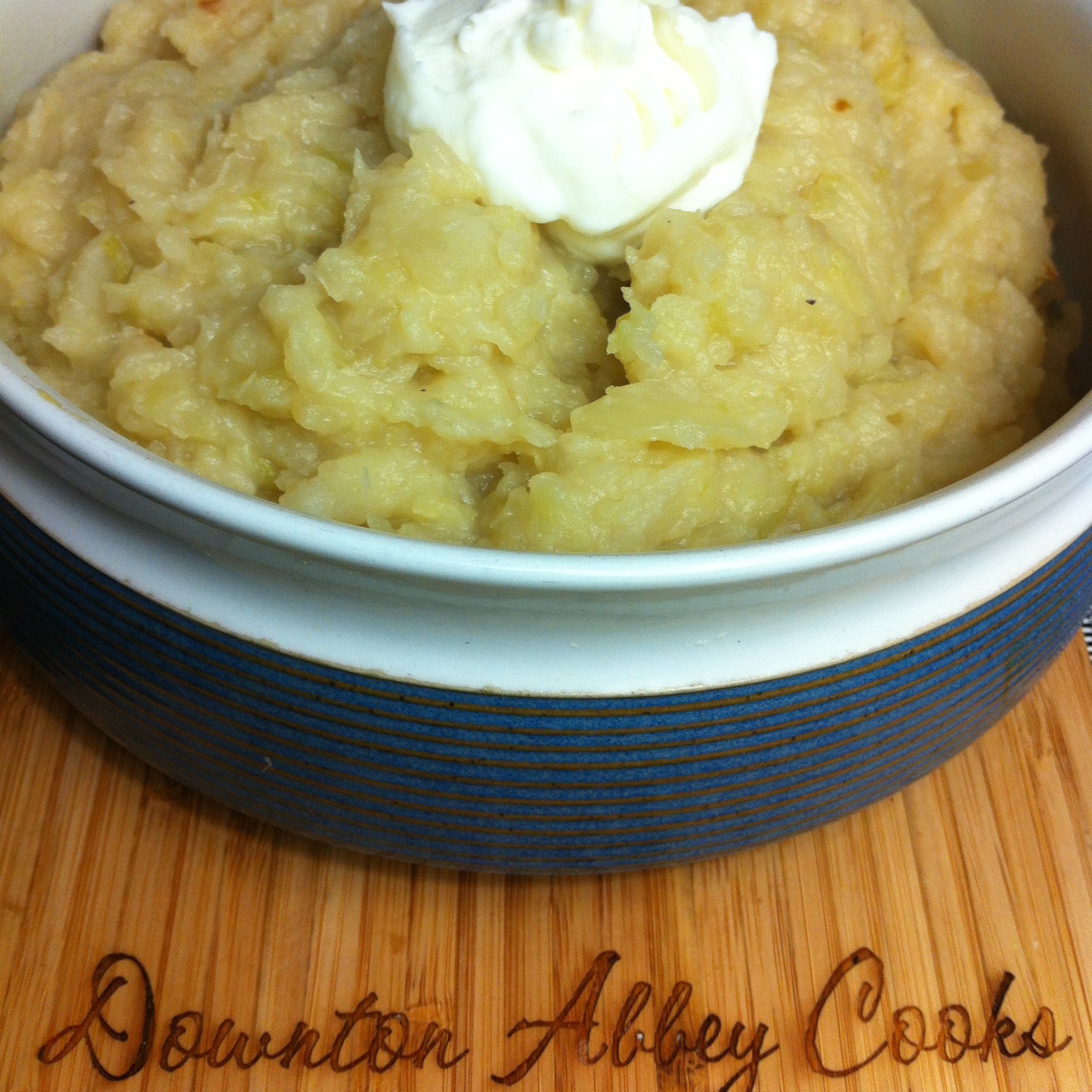
The Hearty Main Dish of Halloween
Before dessert and fortune-telling came dinner—and Colcannon was Ireland’s traditional Halloween meal.
Colcannon (from Irish “cal ceannann” = “white-headed cabbage”) is a comforting dish of mashed potatoes, cabbage or kale, butter, milk, and scallions. Known as “bubble and squeak” in England, this hearty fare celebrated the autumn harvest.
Why Colcannon for Halloween?
- Potato harvest: Ireland’s most important crop, just gathered
- Autumn cabbage: At its peak in October
- Rich with butter: Affordable luxury for special occasions
- Fortune-telling charms: Like Barmbrack, charms were hidden in the mash
The Colcannon Tradition
Similar to Barmbrack, charms were wrapped and hidden in the Colcannon: a ring for marriage, a coin for wealth, a button for bachelorhood, a thimble for spinsterhood.
Plus, a portion was always left outside for the púca (a mischievous Irish fairy creature) to ensure good luck and prevent the fairies from souring milk or spoiling crops.
Perfect for Modern Halloween
Colcannon is incredibly satisfying on cold October evenings—warming, filling, and connecting you to centuries of Irish tradition. It’s also naturally vegetarian and can easily be made vegan.
Try traditional Irish Colcannon for your Halloween dinner →
Halloween Food in the Downton Abbey Era
British Halloween in the 1910s-1920s
By Downton Abbey’s time, Halloween in Britain was fading in cities but remained strong in rural areas and among working classes.
In great house kitchens like Downton:
Mrs. Patmore and her staff would observe All Souls’ Day (November 2nd) with traditional foods:
- Soul Cakes for the household staff
- Seasonal harvest dishes – game pies, roasted meats, root vegetables
- Traditional desserts – apple tarts, plum puddings
- Comfort foods as winter approached
Upstairs vs. Downstairs:
The Crawley family observed the Christian holy days with church services and appropriate solemnity.
Below stairs, servants from rural backgrounds maintained the old ways: Soul Cakes baked, fortunes told with Barmbrack, ghost stories shared by the fire.
The Survival of Tradition
While Halloween largely disappeared from fashionable British society by the 1920s, the recipes survived:
- Passed down through families
- Preserved in household management books
- Maintained in rural villages
- Carried by emigrants worldwide
These recipes waited patiently through decades until Halloween’s revival in the 1980s-1990s brought them back to prominence.
Other Traditional Halloween Foods
Beyond the Big Three
While Soul Cakes, Barmbrack, and Colcannon were the stars, other foods appeared on Halloween tables:
- Apples: Used for fortune-telling games like bobbing for apples and apple peeling divination (peel in one long strip, throw over shoulder—the shape reveals your future spouse’s initial)
- Nuts: Roasted chestnuts and hazelnuts; also used for love divination (pairs of nuts in the fire—if they popped together, the couple would marry)
- Harvest Pies:Apple tarts, mince pies, game pies celebrating autumn bounty
- Warming Drinks: Mulled ale, cider, hot toddies for cold October evenings
- Parkin: Sticky gingerbread cake (traditionally for Bonfire Night, November 5th, but sometimes served for Halloween)
Why These Halloween Recipes Matter Today
More Than Just Food
When you bake Soul Cakes, make Barmbrack, or serve Colcannon, you’re not just following recipes—you’re participating in living history.
These traditions have survived:
- ✓ 2,000+ years since ancient Samhain
- ✓ 1,500+ years of Christianization
- ✓ 500+ years of souling and Soul Cakes
- ✓ Countless generations of Irish fortune-telling
- ✓ Wars, famines, emigration, industrialization
- ✓ The rise and fall of great houses like Downton Abbey
These recipes connected peasants and lords, servants and masters, Irish cottages and English manor houses. They’ve been made by medieval cooks, Victorian housewives, Edwardian servants, and modern food lovers rediscovering culinary heritage.
Great food truly has a history—and Halloween’s history is delicious.
Frequently Asked Questions
What are Soul Cakes?
Soul Cakes are small spiced biscuits marked with a cross, traditionally given to “soulers” who offered prayers for the dead. They’re the original Halloween treat and the reason trick-or-treating exists. Ready in 30 minutes with simple ingredients!
What is Irish Barmbrack?
Barmbrack is traditional Irish fruit bread baked for Halloween with hidden fortune-telling charms inside. Finding a ring predicts marriage, a coin means wealth, and cloth means poverty. It’s made with tea-soaked dried fruit and warm spices.
How did trick-or-treating start?
Trick-or-treating originated from medieval “souling”—people went door-to-door offering prayers for the dead in exchange for Soul Cakes. Irish immigrants brought this tradition to America in the 1840s-1850s, where it evolved into modern trick-or-treating.
What is Colcannon?
Colcannon is a traditional Irish dish of mashed potatoes with cabbage or kale, butter, and scallions. It was the main Halloween dinner in Ireland, often with hidden charms for fortune-telling, and a portion left outside for fairies.
Did they celebrate Halloween in Victorian times?
Yes! Victorians observed All Souls’ Day with Soul Cakes, traditional foods, and prayers for the dead. In rural Britain and Ireland, Halloween traditions remained strong, including Barmbrack fortune-telling and Colcannon dinners. Great houses like Downton maintained these customs in their kitchens.
What does Barmbrack mean?
Barmbrack comes from Irish Gaelic “bairín breac,” meaning “speckled bread”—referring to the dried fruit speckling the loaf. It’s pronounced “BAR-m-brack.”
Where did Halloween food traditions originate?
Halloween food traditions began with the ancient Celtic festival of Samhain in Ireland 2,000+ years ago. When Christianity arrived, these pagan customs merged with All Saints’ and All Souls’ Days, creating unique food traditions like Soul Cakes (British) and Barmbrack (Irish).
Make These Traditional Halloween Recipes
This Halloween, skip the store-bought candy and honor the holiday’s true culinary heritage.
Bake Soul Cakes and share them with neighbors—experience the original trick-or-treating tradition.
Make Barmbrack and hide charms inside—create the suspenseful, laughter-filled fortune-telling ritual Irish families have enjoyed for centuries.
Serve Colcannon for dinner—taste the hearty, comforting dish that celebrated the autumn harvest.
These aren’t just recipes—they’re edible history connecting you to ancient Celtic festivals, medieval charity, Victorian kitchens, and the servants’ halls of great houses.
Great food has a history. And Halloween’s food history is one of the most delicious.
Ready to Try These Traditional Halloween Recipes?
Try this traditional as well as more modern halloween delights.