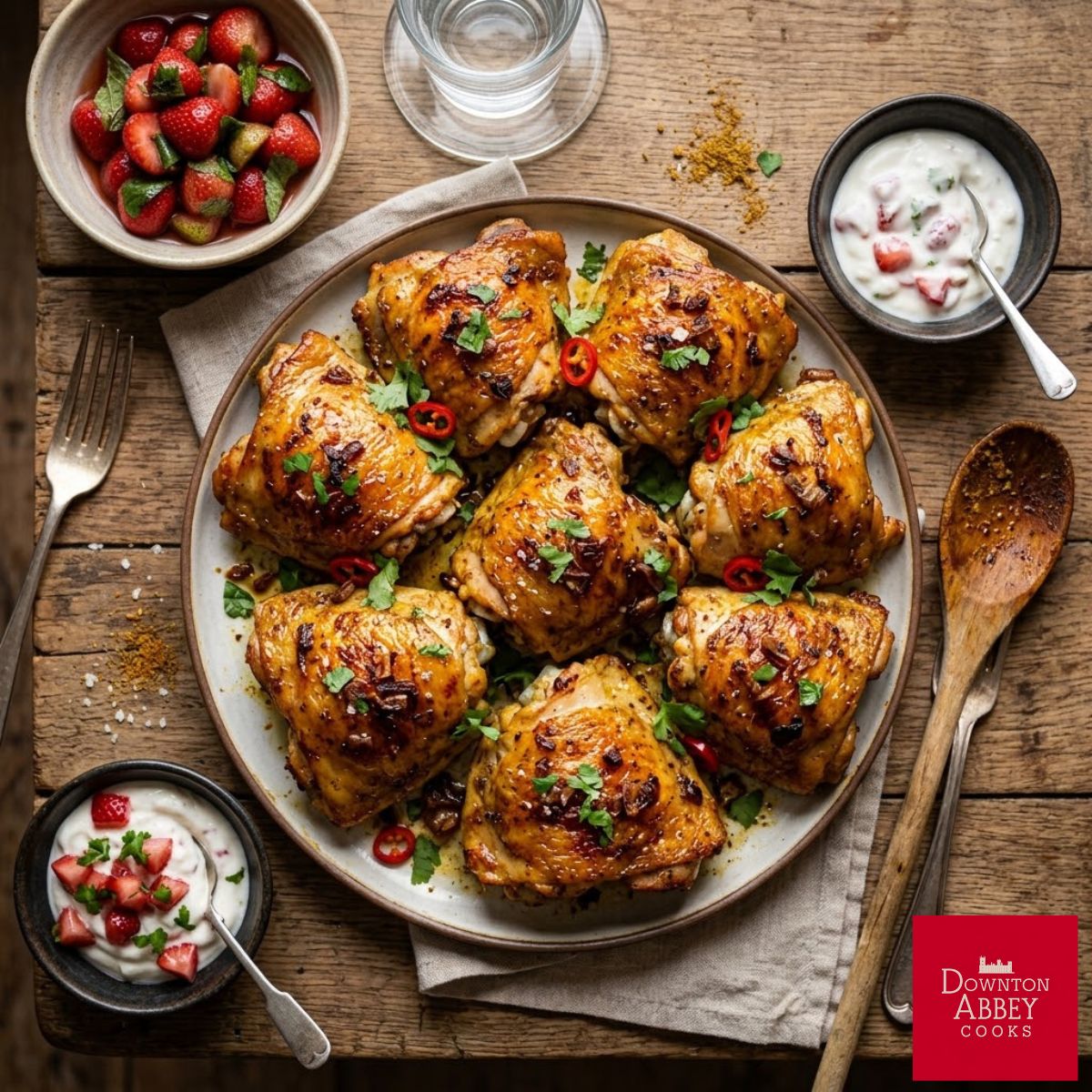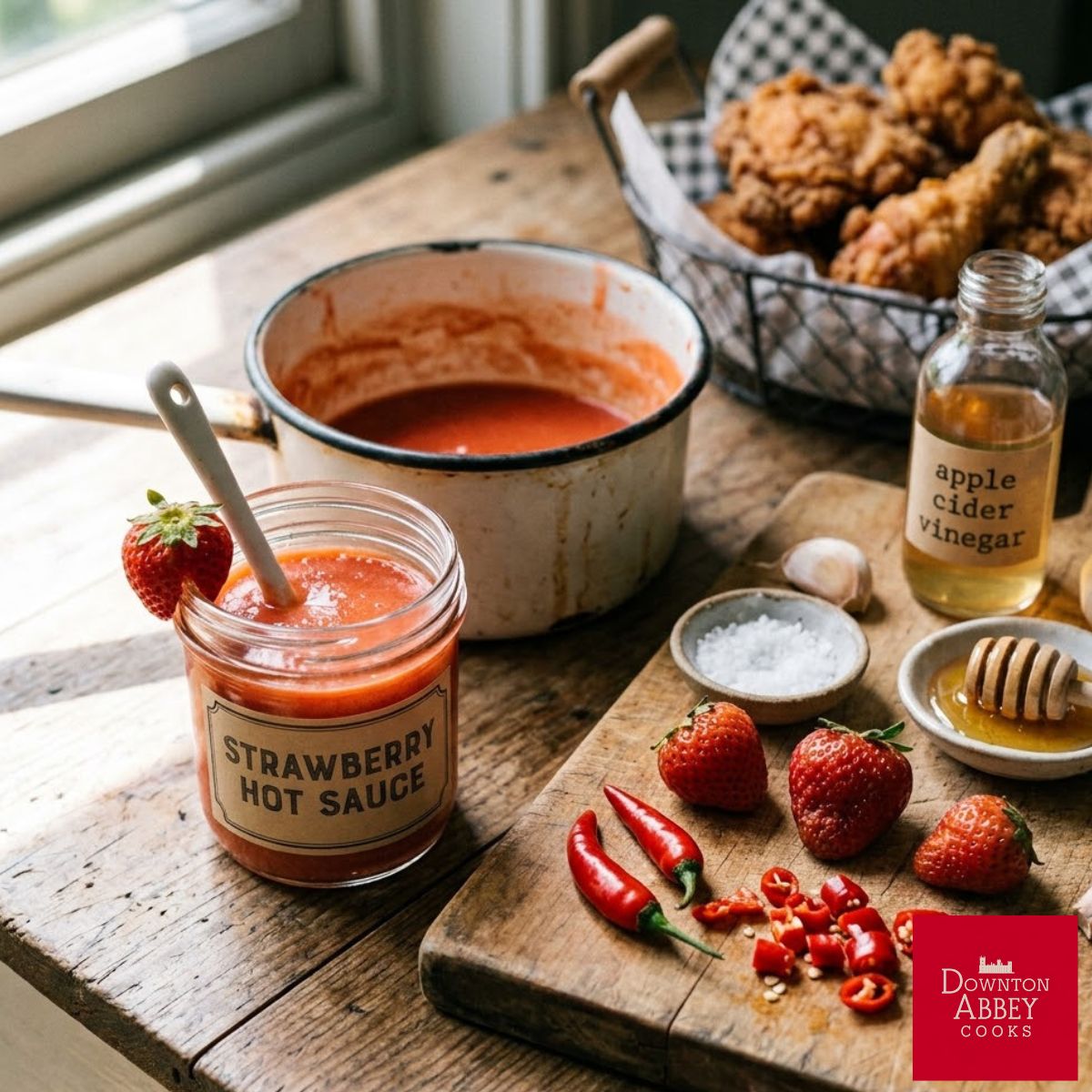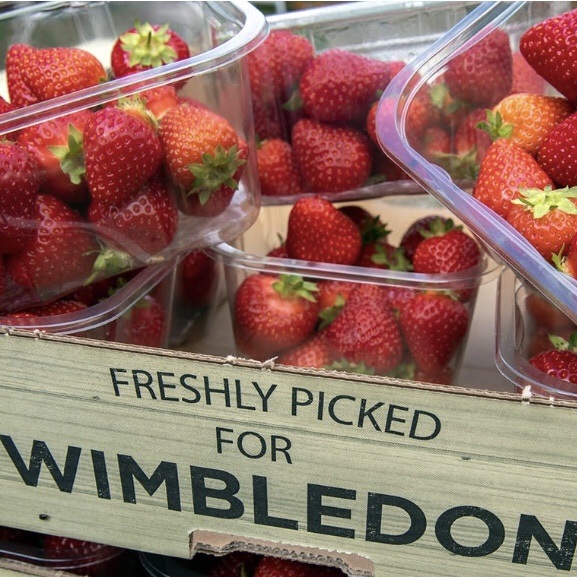
 As Wimbledon 2025 unfolds on the pristine grass courts of the All England Lawn Tennis Club, spectators continue to savour the tournament’s iconic strawberries and cream, as well as traditional British fare. Yet few realize that today’s beloved Wimbledon food traditions were forged during one of the most turbulent periods in British history.
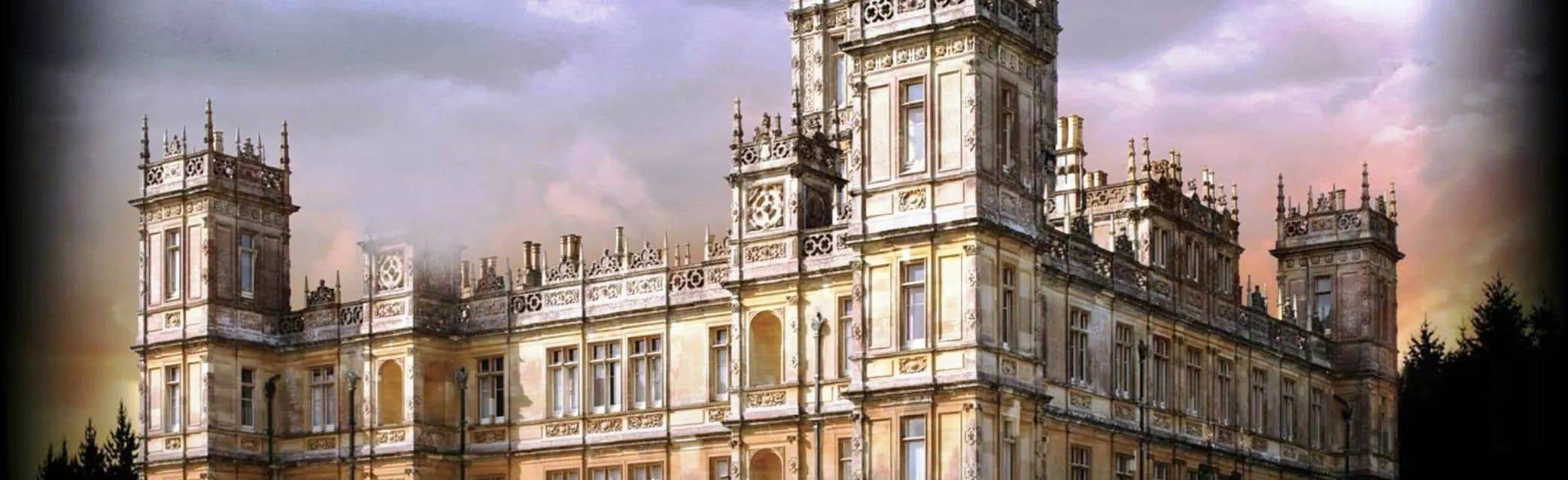
The Downton Abbey era (1912-1930) represents one of the most transformative periods in Wimbledon’s culinary history. During these tumultuous years, the tournament’s food culture reflected the broader social upheaval that defined early 20th-century Britain. From elaborate Edwardian luncheons to post-war modernization, Wimbledon’s dining evolution mirrors the dramatic changes experienced by fictional families, such as the Crawleys, and real aristocratic households across England.
Would the Crawleys Have Attended Wimbledon?
Families like the fictional Crawley family from Downton Abbey would have been regular attendees at Wimbledon during this era. The Yorkshire aristocracy traditionally maintained London residences for the social season, which coincided perfectly with the Wimbledon Championships held each July. The tournament represented an essential stop on the aristocratic social calendar, ranking alongside Royal Ascot and Henley Regatta as must-attend events.
The Earl of Grantham and his contemporaries would have possessed life memberships to the All England Lawn Tennis Club, granting access to the exclusive member’s enclosure and its elaborate dining facilities. These aristocratic patrons expected and received the same level of service they enjoyed at their country estates, complete with liveried footmen and multi-course meals served on fine china.
Edwardian Elegance: Pre-War Wimbledon Dining (1912-1914)
Pre-war Wimbledon dining embodied the pinnacle of Edwardian entertaining, rivalling the grandest country house parties. The member’s pavilion featured a full restaurant service with white-gloved waiters serving elaborate four-course luncheons that would have impressed even the most discerning aristocratic palates.
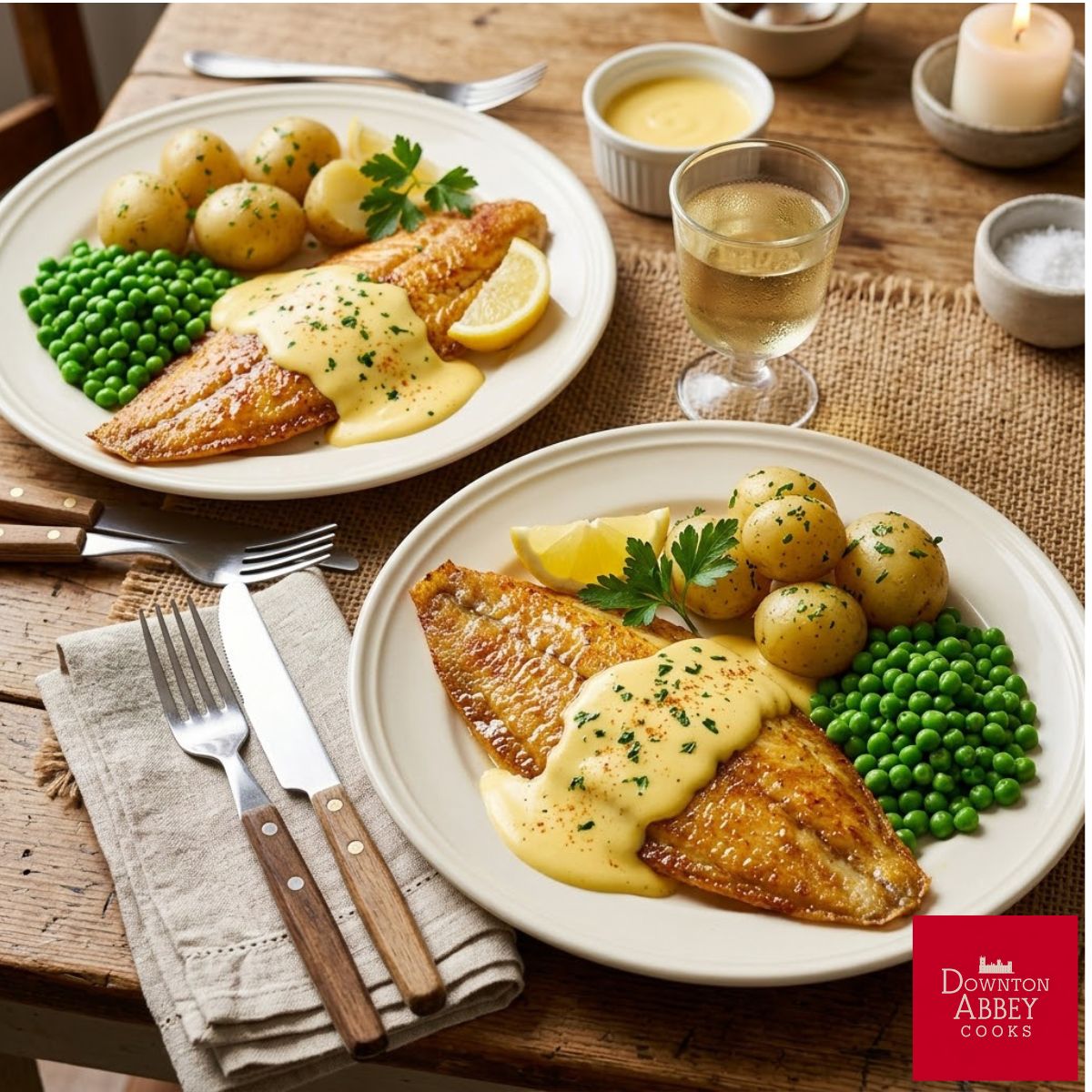
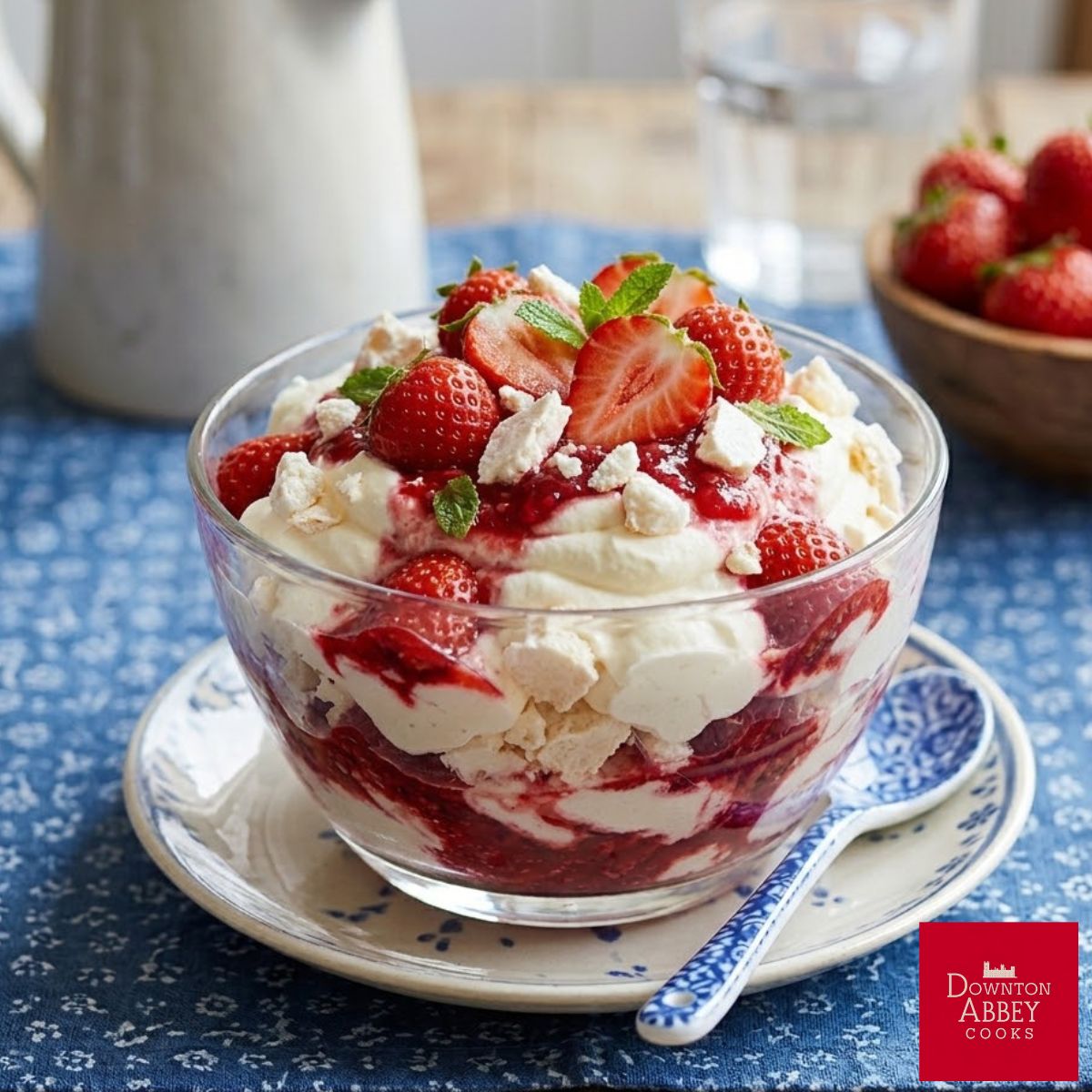
A typical Edwardian Wimbledon menu typically included turtle soup, Dover sole with hollandaise sauce, roast beef accompanied by Yorkshire pudding, and trifle with fresh strawberries. These dishes reflected the era’s preference for rich, substantial fare that demonstrated wealth and sophistication. The strawberries and cream tradition, already established by this period, was served as part of an elaborate dessert course rather than as a simple snack.
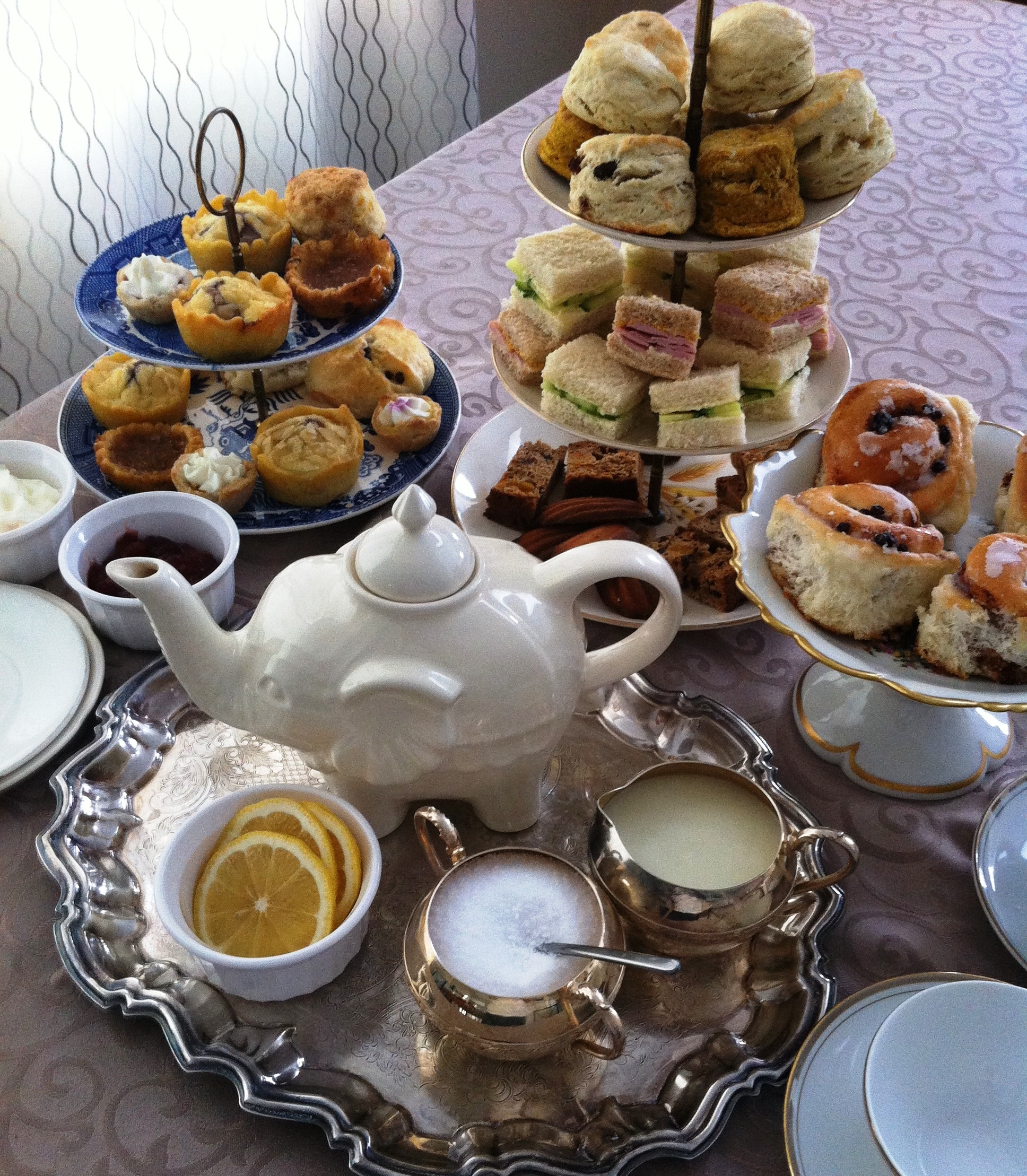
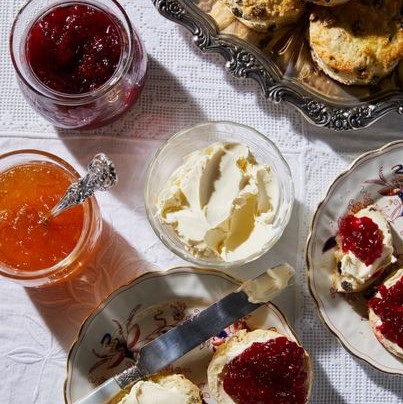
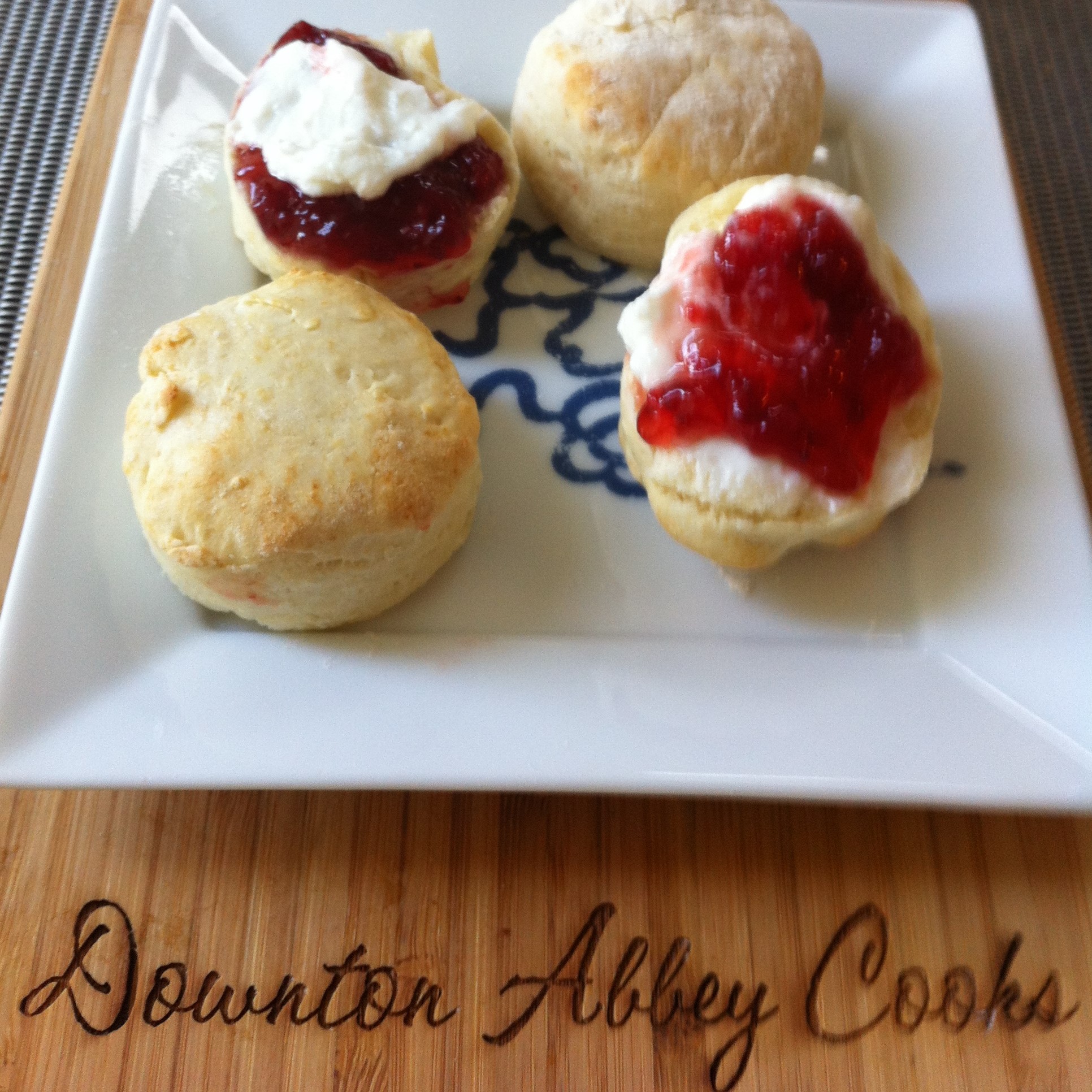
Afternoon tea service reached extraordinary heights during this period, with three-tiered stands presenting delicate finger sandwiches, fresh scones with clotted cream, and an array of French pastries imported daily from London’s finest patisseries. The ritual of afternoon tea at Wimbledon became as crucial as the tennis itself, providing opportunities for social networking and marriage negotiations among the upper echelons of society.
The Great War’s Impact: Rationing and Resourcefulness (1915-1918)
The First World War suspended Wimbledon tournaments, but it left a lasting impact on the event’s food culture. When play resumed in 1919, the tournament faced unprecedented challenges that mirrored those experienced by great houses like Downton Abbey. Food rationing, staff shortages, and shifting social attitudes necessitated dramatic adjustments to traditional dining practices.
Sugar rationing particularly affected Wimbledon’s famous strawberries and cream, as organizers struggled to maintain the traditional sweetness that patrons had come to expect. Creative solutions emerged, including the use of honey and fruit preserves as sugar substitutes; however, these alternatives never quite satisfied the aristocratic palates accustomed to pre-war abundance.
The servant shortage proved even more challenging as former footmen and kitchen maids sought better opportunities in London’s expanding industries. Wimbledon’s response—introducing self-service areas and simplified menus—scandalized traditional members but proved essential for the tournament’s survival.
Jazz Age Transformation: The Roaring Twenties at Wimbledon (1920-1930)
The 1920s brought revolutionary changes to Wimbledon’s food culture that perfectly captured the era’s social tensions. Young aristocrats like Lady Mary Crawley and her contemporaries demanded modern amenities that horrified their elders. Cocktail culture exploded at Wimbledon, with bartenders learning to prepare Gin Rickeys, Sidecars, and Mint Juleps alongside traditional British beverages.
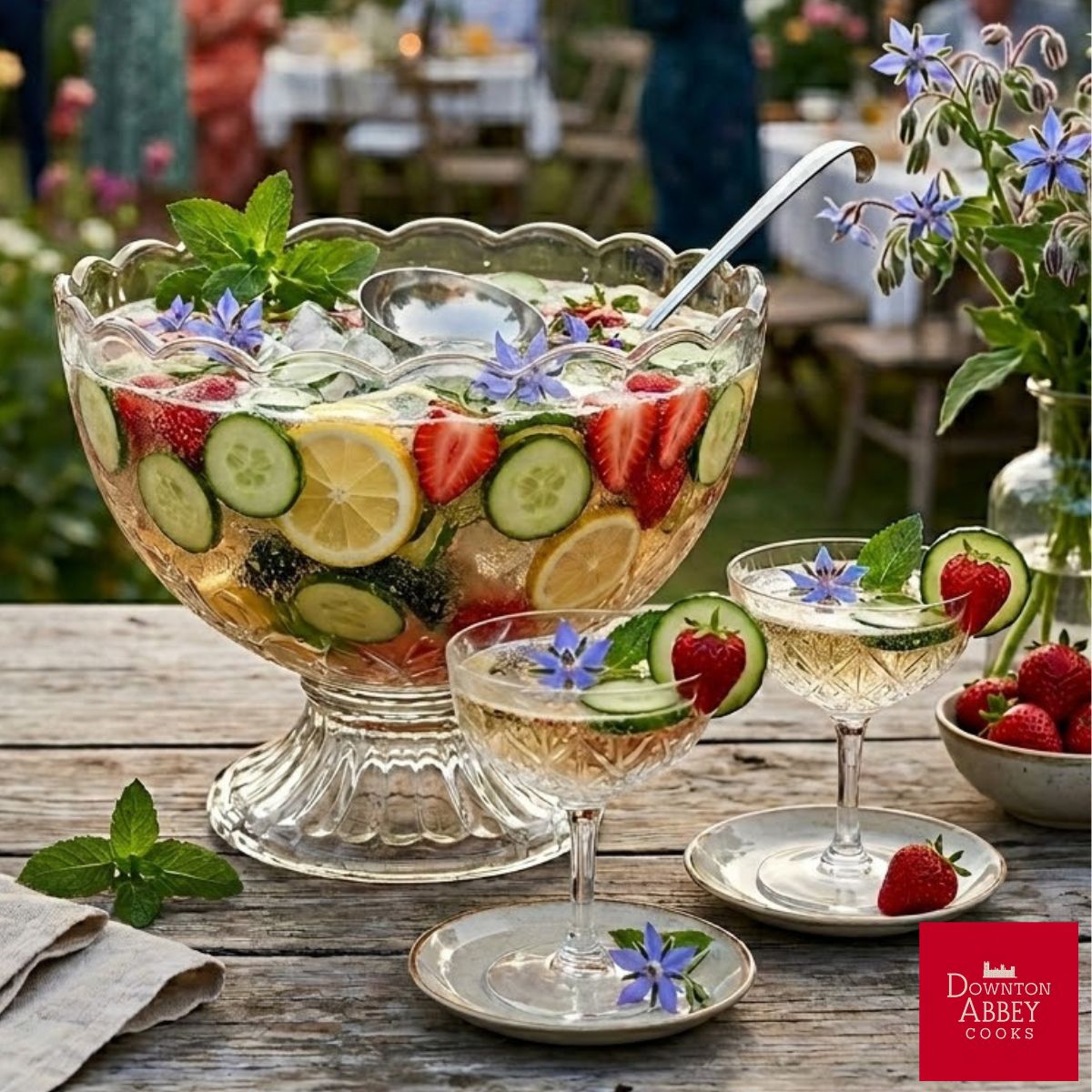
The famous “Wimbledon Cup” cocktail, created in 1925, combined gin, elderflower cordial, and champagne—a distinctly British response to American cocktail culture. This drink became the signature beverage of the younger generation attending Wimbledon while their parents continued to prefer traditional sherry and port.
American influence during the Prohibition era transformed Wimbledon’s beverage service entirely. Wealthy Americans, deprived of legal alcohol at home, arrived with sophisticated palates and deep pockets, demanding premium spirits and elaborate cocktails. This influx created Wimbledon’s first profitable bar service, generating revenue that helped modernize the tournament’s facilities.
The Servant Problem: Kitchen Revolution and Social Change
The domestic service crisis that plagued great houses, such as Downton Abbey, also affected Wimbledon’s operations. Pre-war dining service required armies of specialized staff—from sauce chefs to pastry cooks to wine stewards—most of whom never returned from military service or found better employment elsewhere.
Wimbledon’s innovative response included hiring female kitchen staff for the first time, introducing simplified menus that required fewer skilled cooks, and implementing self-service buffets in public areas. These changes, while practical, represented a fundamental shift from the elaborate service that had defined aristocratic dining.
The “Servant’s Revenge” of 1923 provided the era’s most dramatic example of social upheaval. Former Wimbledon kitchen staff opened competing tea stalls outside the grounds, serving identical Victoria sponge and cucumber sandwiches at half the price. This culinary rebellion forced tournament organizers to reconsider their pricing and accessibility, ultimately democratizing traditional British teatime fare.
Fashion and Food: The Flapper Influence

The fashion revolution of the 1920s had a direct influence on Wimbledon’s food offerings. As dropped-waist dresses and boyish figures became fashionable, the tournament’s heavy Edwardian fare fell out of favour. Lighter cuisine emerged to suit the new feminine ideals, featuring fruit salads, aspic jellies, and delicate pastries that allowed fashionable women to maintain their figures.
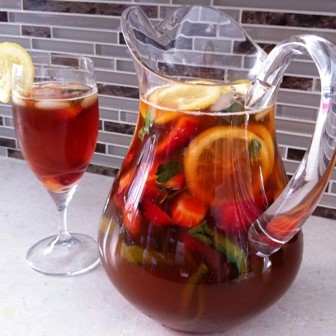
Iced beverages became particularly popular among young female spectators, who demanded iced tea and fruit punches instead of traditional hot tea service. The introduction of ice cream vendors in 1928, initially opposed by traditionalists, proved unstoppable as summer temperatures and American influence made frozen desserts socially acceptable.
The American Colony: Prohibition’s Unexpected Impact
American tennis enthusiasts fleeing Prohibition transformed Wimbledon’s social dynamics during the 1920s. These wealthy expatriates introduced sophisticated drinking habits and generous spending, revolutionizing the tournament’s beverage service. The “American Bar,” established in 1927, served Manhattan cocktails, Old Fashioneds, and Martinis alongside traditional British drinks.
This American influence also introduced casual dining options that appealed to visitors unfamiliar with British formal dining customs. Club sandwiches, Caesar salads, and American-style ice cream sundaes made their debut on Wimbledon menus, creating a more relaxed dining atmosphere that attracted international visitors.
Legacy of the Downton Abbey Era
The Downton Abbey period at Wimbledon established many traditions that continue today while demonstrating remarkable adaptability to social change. The era’s most significant achievement was successfully balancing aristocratic traditions with democratic accessibility, ensuring the tournament’s survival through unprecedented social upheaval.
Modern Wimbledon still reflects the influence of this period, from the continued emphasis on strawberries and cream to the champagne service that emerged from 1920s cocktail culture. The tournament’s ability to maintain its prestigious character while adapting to changing social conditions—much like the fictional Crawley family—ensures its continued relevance in contemporary British culture.
The food traditions established during the Downton Abbey era created Wimbledon’s unique identity as a tournament that celebrates both sporting excellence and British culinary heritage, making it an enduring symbol of the nation’s ability to honour tradition while embracing necessary change.