
If you’ve ever watched the Christmas specials of Downton Abbey, you’ll recall the flurry of activity below stairs as servants worked tirelessly through the holiday—serving elaborate dinners, attending to guests, and ensuring the family upstairs enjoyed every comfort. But what happened after the Christmas festivities concluded? The answer lies in one of Britain’s most enduring traditions: Boxing Day.
December 26th is Boxing Day, a public holiday celebrated across the United Kingdom, Canada, Australia, New Zealand, and many Commonwealth nations. While Americans may be unfamiliar with this tradition, it remains deeply woven into British culture—and understanding its origins reveals much about the social fabric of the Edwardian era that Downton Abbey so beautifully depicts.
What is Boxing Day, and why is it Called That?
Contrary to popular belief, Boxing Day has nothing to do with the sport of boxing or post-Christmas gift returns. The name derives from the tradition of giving “Christmas boxes”—gifts of money, food, and goods—to those who provided service throughout the year.
Several theories explain the origin of these boxes. The most widely accepted traces back to Victorian and Edwardian Britain, where domestic servants worked on Christmas Day to ensure their employers enjoyed lavish celebrations. December 26th became their Christmas—the day when masters finally gave servants time off to visit their own families, along with a boxed gift as thanks for their loyal service.
Another explanation points to medieval church tradition. Throughout Advent, churches placed alms boxes near their doors to collect donations for the poor. On the Feast of St. Stephen (December 26th), clergy would open these boxes and distribute the contents to those in need. This connection to charitable giving runs deep—the beloved Christmas carol “Good King Wenceslas” even describes the king helping a peasant “on the Feast of Stephen.”
Boxing Day at Downton Abbey: How the Great Houses Celebrated
For those of us who’ve followed the Crawley family through six seasons and three films, the Christmas episodes offer glimpses into holiday traditions at great English houses. While the series doesn’t explicitly show Boxing Day celebrations, the customs would have been well-established at estates like Downton.
The Christmas Box Tradition
At grand houses like Downton Abbey, the Christmas box represented far more than a simple gift. For servants earning modest wages, these boxes provided a significant addition to their yearly income. A typical Christmas box might contain money, clothing, food, or practical items like umbrellas—gifts that acknowledged the long hours and hard work required to keep a grand house running.
At Lyme Park in Cheshire (one of the National Trust properties that captures this era), records show that Edwardian Christmas celebrations included tea in the servants’ hall, followed by a children’s party with gifts like oranges and small toys. The family would join their staff briefly—a rare moment when the rigid hierarchy softened, much like the Servants’ Ball we see in Downton’s Christmas specials.
The Servants’ Ball Connection
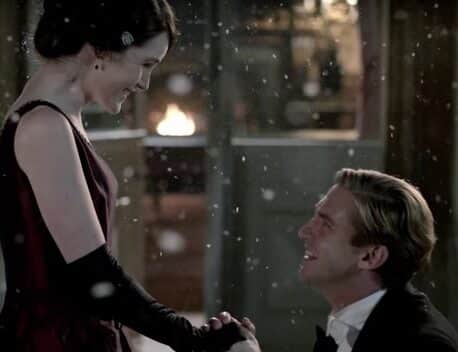 Downton Abbey fans will remember the Servants’ Ball in the 2011 Christmas special, where Matthew finally proposes to Mary. This tradition—where the family and servants danced together—typically occurred around the Christmas period. It was one of the few occasions when social boundaries blurred, with the Dowager Countess Violet memorably dancing with Thomas.
The timing of such balls often coincided with Boxing Day or the days following Christmas, when the intense work of Christmas Day service had concluded. For servants like Mrs. Patmore, Mr. Carson, and Anna, these moments of recognition—brief as they were—represented the human side of service in a great house.
Boxing Day Traditions: Then and Now
The Edwardian Boxing Day
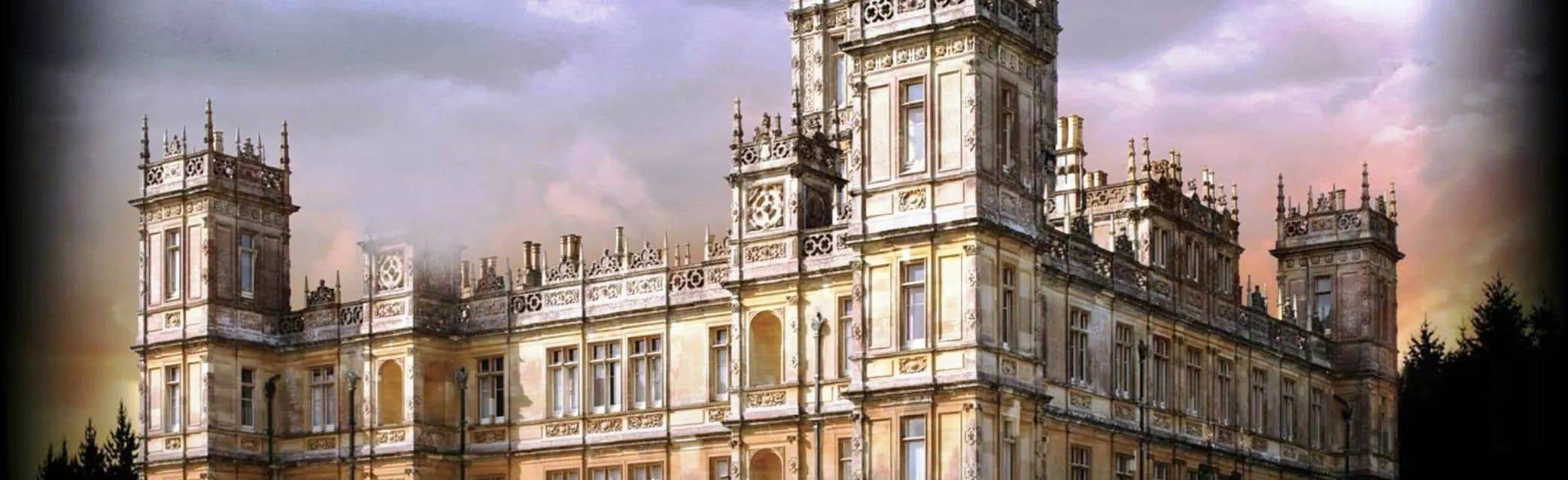
In Lord Grantham’s time, Boxing Day looked quite different from today. The morning might begin with the traditional Boxing Day hunt—a centuries-old tradition where the local gentry gathered on horseback to pursue foxes across the countryside. Highclere Castle (the real Downton) would have seen the Earl and his guests setting off across the Yorkshire—or rather, Hampshire—landscape.
Meanwhile, servants finally enjoyed their day of rest. They would open their Christmas boxes, perhaps write letters home, and certainly partake in leftovers from the grand Christmas dinner. In many households, the family made do with cold cuts and informal meals as the formal Christmas Day service gave way to relaxation.
Modern Boxing Day Celebrations
Today, Boxing Day has evolved considerably, though some traditions persist. While fox hunting was banned in England and Wales in 2004, many hunts continue using artificial scent trails—and Boxing Day remains the biggest meet of the year for most UK hunts.
Sport dominates modern Boxing Day celebrations. The Premier League schedules a complete programme of football fixtures, continuing a tradition that dates back over a century. Rugby and horse racing events draw crowds, while local “fun runs” and charity swims (the bracing “Boxing Day Dip”) have become popular ways to work off Christmas indulgences.
And then there’s shopping. Boxing Day sales have become legendary in the UK, Canada, and Australia—rivaling America’s Black Friday as retailers offer dramatic discounts to clear holiday stock. Whether you’re queuing outside Harrods or browsing online deals, the commercial transformation of Boxing Day is complete.
Boxing Day Around the World
Boxing Day isn’t celebrated identically everywhere. The holiday takes on different names and customs depending on location:
In South Africa, Boxing Day was renamed the Day of Goodwill in 1994 to emphasize the occasion’s charitable spirit.
In Ireland, December 26th is St. Stephen’s Day (Lá Fhéile Stiofáin), also known as the Day of the Wren, marked by traditional “Wren Boy” processions in which participants dress in costumes and masks.
In Canada, Germany, Poland, Scandinavia, and the Netherlands, December 26th is a public holiday, extending the Christmas celebration and giving families additional time together.
In Bermuda, the costumed Gombey dancers perform throughout the island—a tradition believed to date back to the 18th century when enslaved people were permitted to gather at Christmas.
What to Eat on Boxing Day: Leftover Magic from Mrs. Patmore’s Kitchen
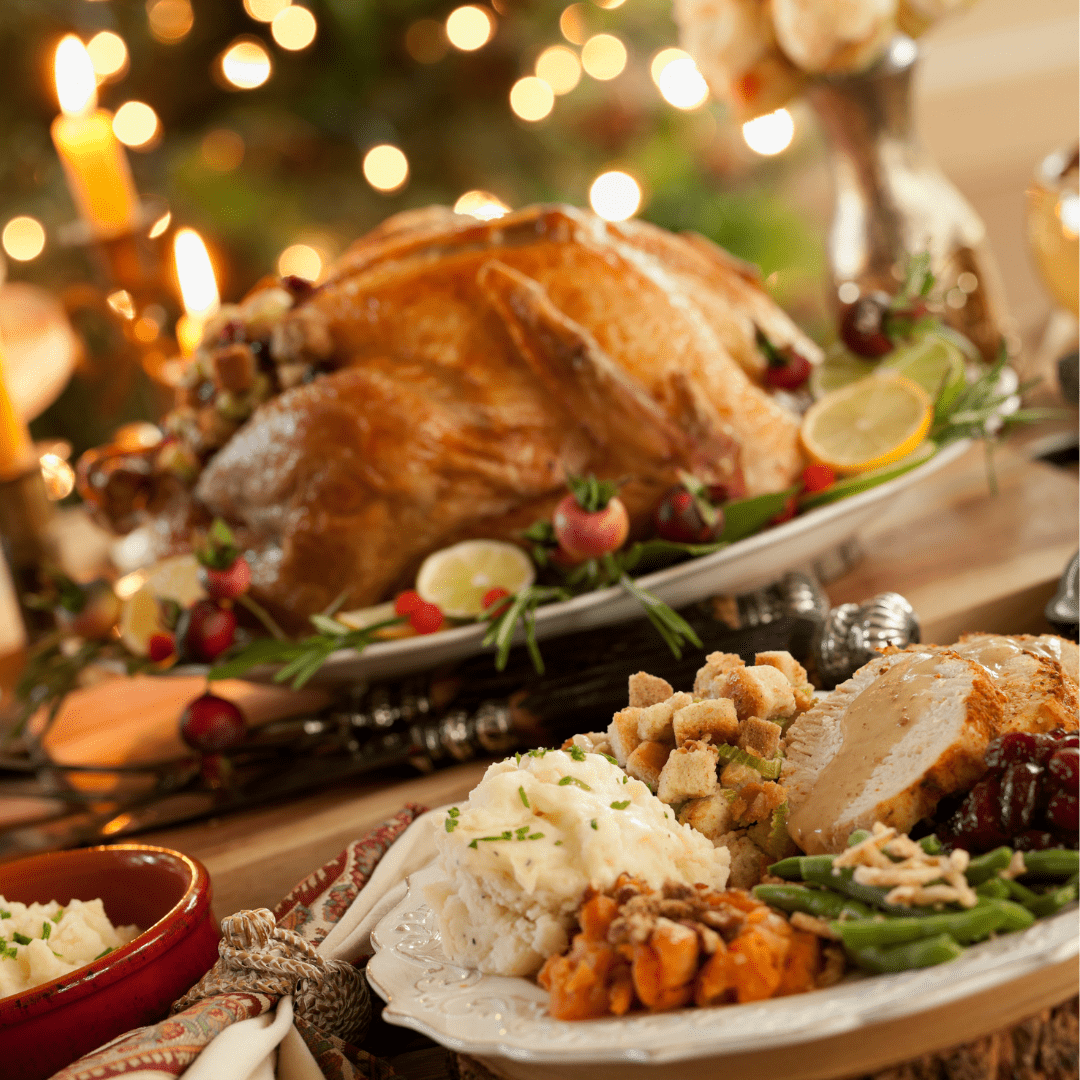
Perhaps the most enduring Boxing Day tradition involves food—specifically, the creative transformation of Christmas leftovers. With a turkey carcass, leftover vegetables, and remnants of the Christmas feast, Boxing Day becomes an opportunity for some of Britain’s most comforting dishes.
Mrs. Patmore would undoubtedly approve of these approaches to repurposing holiday abundance. After all, waste was not tolerated in an Edwardian kitchen, and a skilled cook could transform yesterday’s feast into today’s comfort.
Classic Boxing Day Dishes
Bubble and Squeak — This beloved British dish takes its name from the sounds it makes while frying. Combine leftover roasted vegetables—potatoes, Brussels sprouts, cabbage, carrots—in a hot pan with butter, pressing them into a cake and frying until crispy. Serve alongside cold sliced turkey and ham with cranberry sauce. Try my recipe.
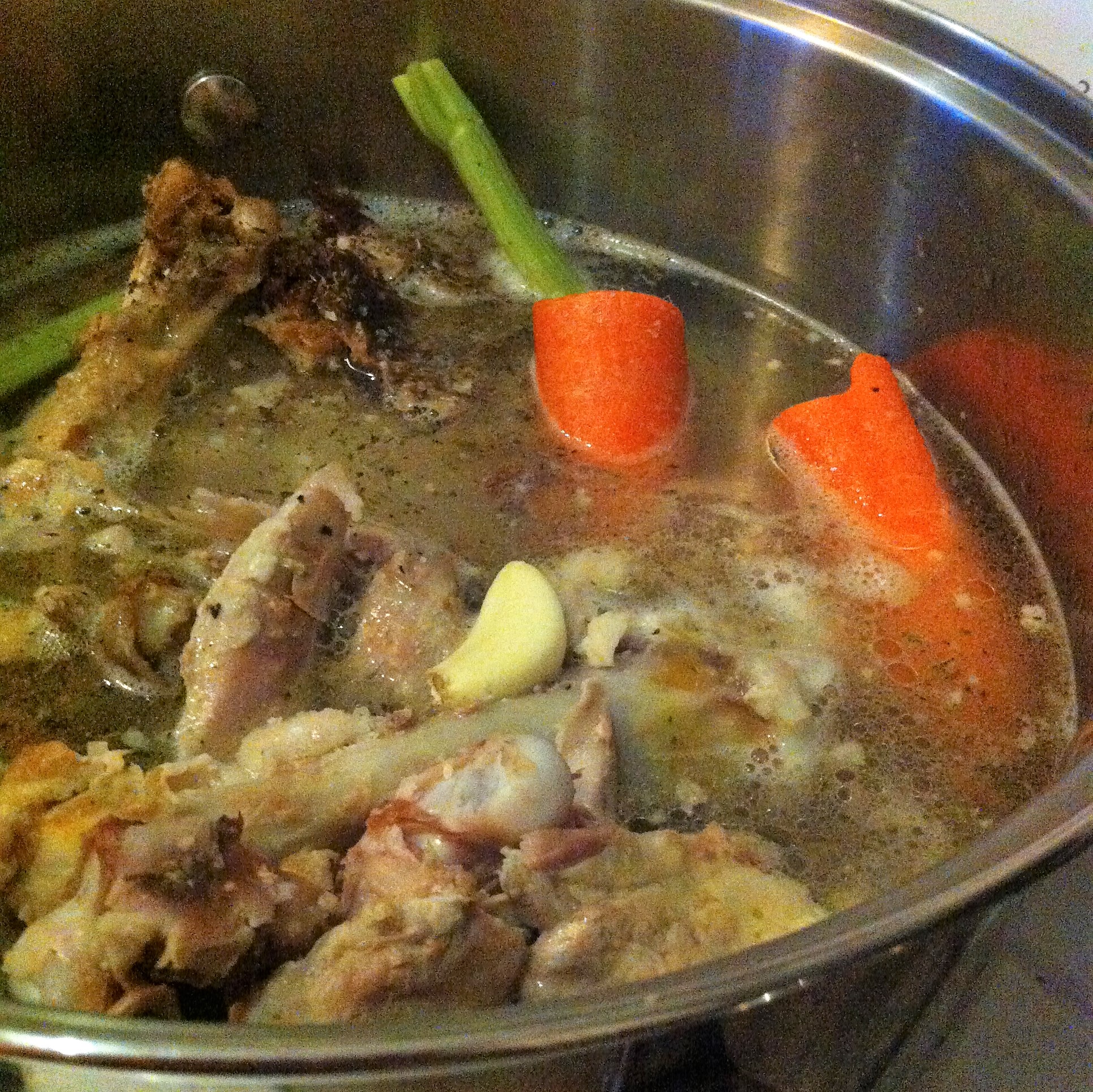
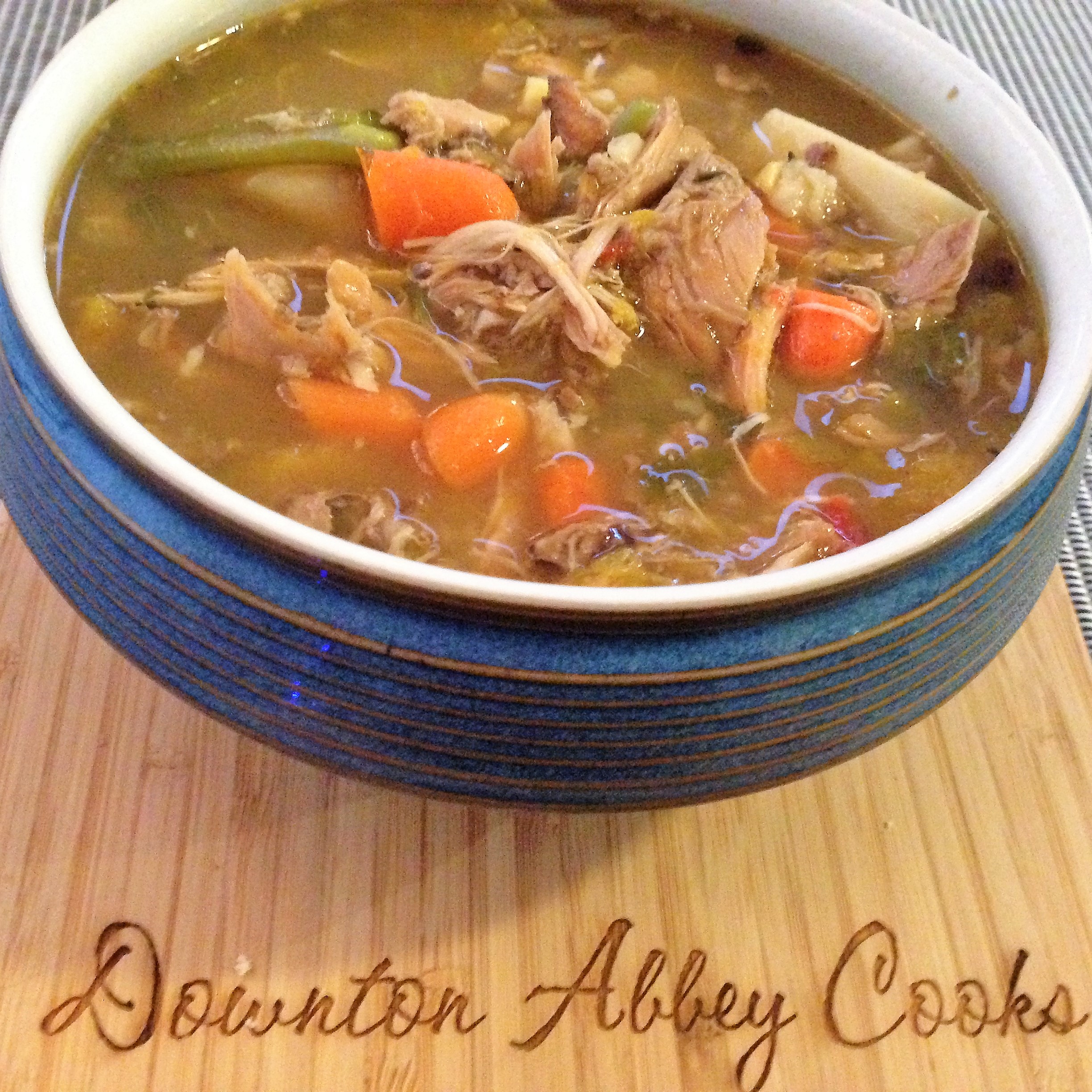
Turkey Stock — Before discarding the carcass, simmer it with aromatics to make a rich stock that forms the base for countless soups and pies in the days ahead. As Mrs. Patmore might say, “Waste not, want not.” Here is my quick and easy recipe.
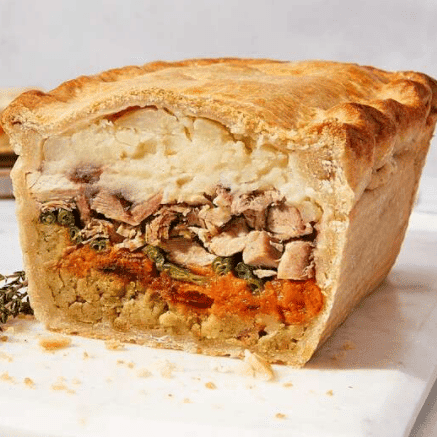
Turkey Dinner Pie — Transform leftover turkey, vegetables, and gravy into a warming pie topped with golden pastry—comfort food at its finest. I make this every year.
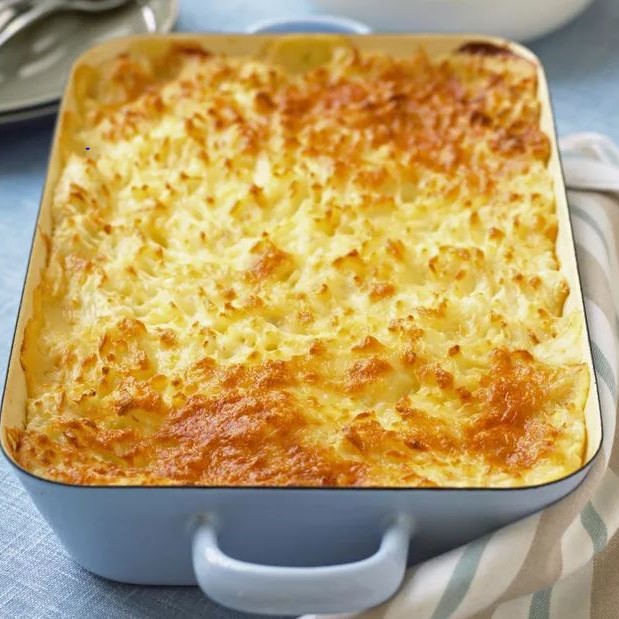
Scottish Stovies — This traditional Scottish dish combines leftover roast meat with potatoes and onions in a simple, hearty one-pot meal. Easy peasy to make.
The Cold Cut Platter — Sometimes the most straightforward approach is best. Arrange sliced turkey, ham, and other cold meats with an array of chutneys, pickles, bread sauce, and crusty bread for an informal feast.
Frequently Asked Questions About Boxing Day
Is Boxing Day a public holiday? Yes. Boxing Day is a bank holiday in the United Kingdom (since 1871), Canada, Australia, New Zealand, and many other Commonwealth nations. Most offices, banks, and schools are closed.
Do Americans celebrate Boxing Day? Boxing Day is not widely observed in the United States, though Governor William Weld of Massachusetts declared December 26th as Boxing Day in 1996. For most Americans, December 26th is simply the day after Christmas—often spent returning gifts or shopping during post-holiday sales.
What’s the difference between Boxing Day and St. Stephen’s Day? Both fall on December 26th but have different origins. St. Stephen’s Day is a religious feast honouring Christianity’s first martyr, known for his charitable works. Boxing Day developed from secular traditions of gift-giving to servants and the poor. In Ireland, December 26th is primarily observed as St. Stephen’s Day.
What happens if Boxing Day falls on a weekend? In the UK, if Boxing Day falls on a Saturday, the following Monday becomes a bank holiday. If it falls on a Sunday, the bank holiday moves to Tuesday (with Monday being the substitute Christmas Day holiday).
Keeping the Spirit of Boxing Day Alive
While the grand houses of the Edwardian era have largely faded—their armies of servants replaced by modern conveniences—the spirit of Boxing Day endures. It remains a day for gratitude, for acknowledging those who serve us, and for extending generosity to those in need.
Whether you spend December 26th watching football, hunting for bargains, transforming leftovers into something delicious, or simply relaxing with family, you’re participating in a tradition that stretches back centuries. And perhaps, as you enjoy a slice of turkey pie or a plate of bubble and squeak, you might spare a thought for the servants of Downton Abbey—finally at rest, Christmas box in hand, enjoying their well-earned day.