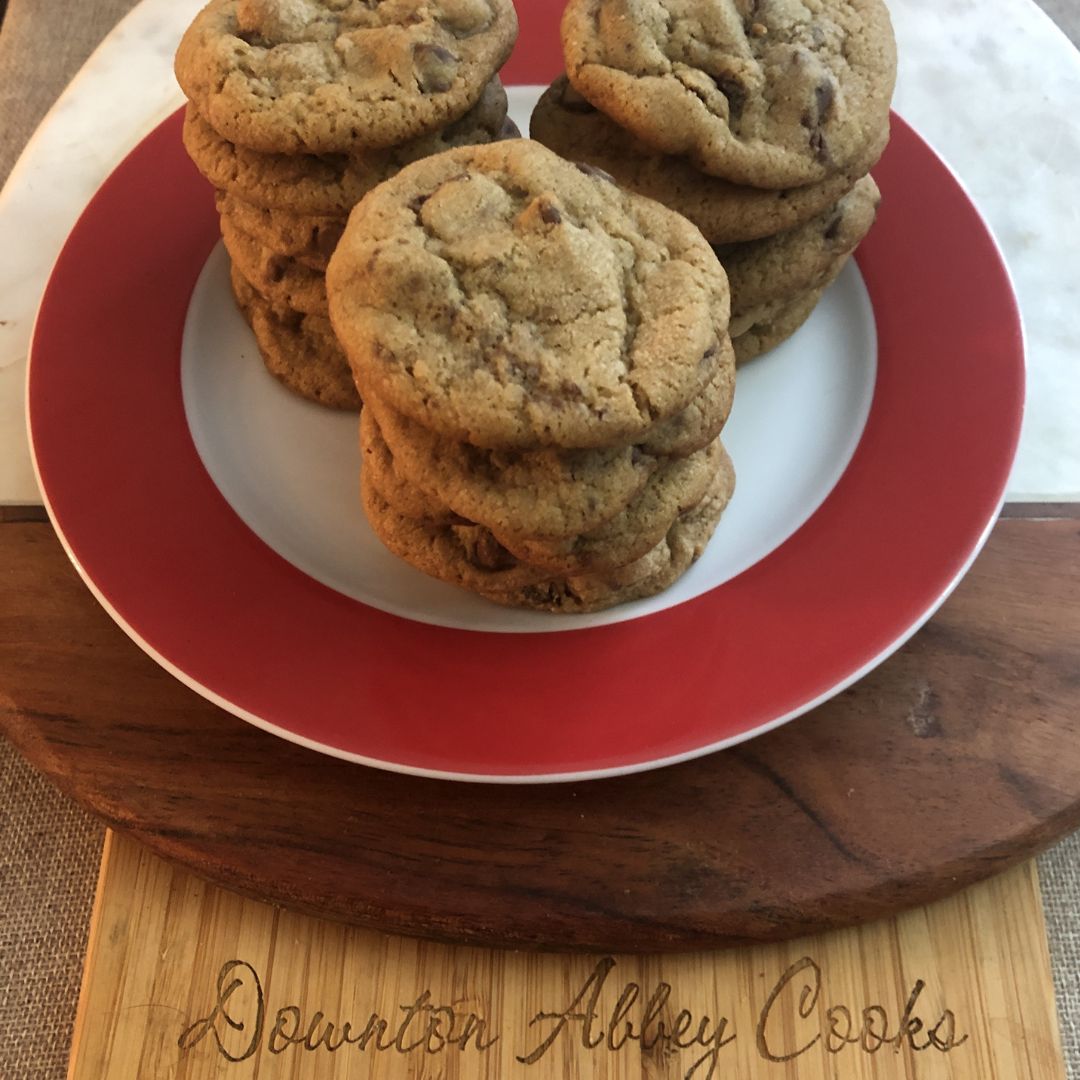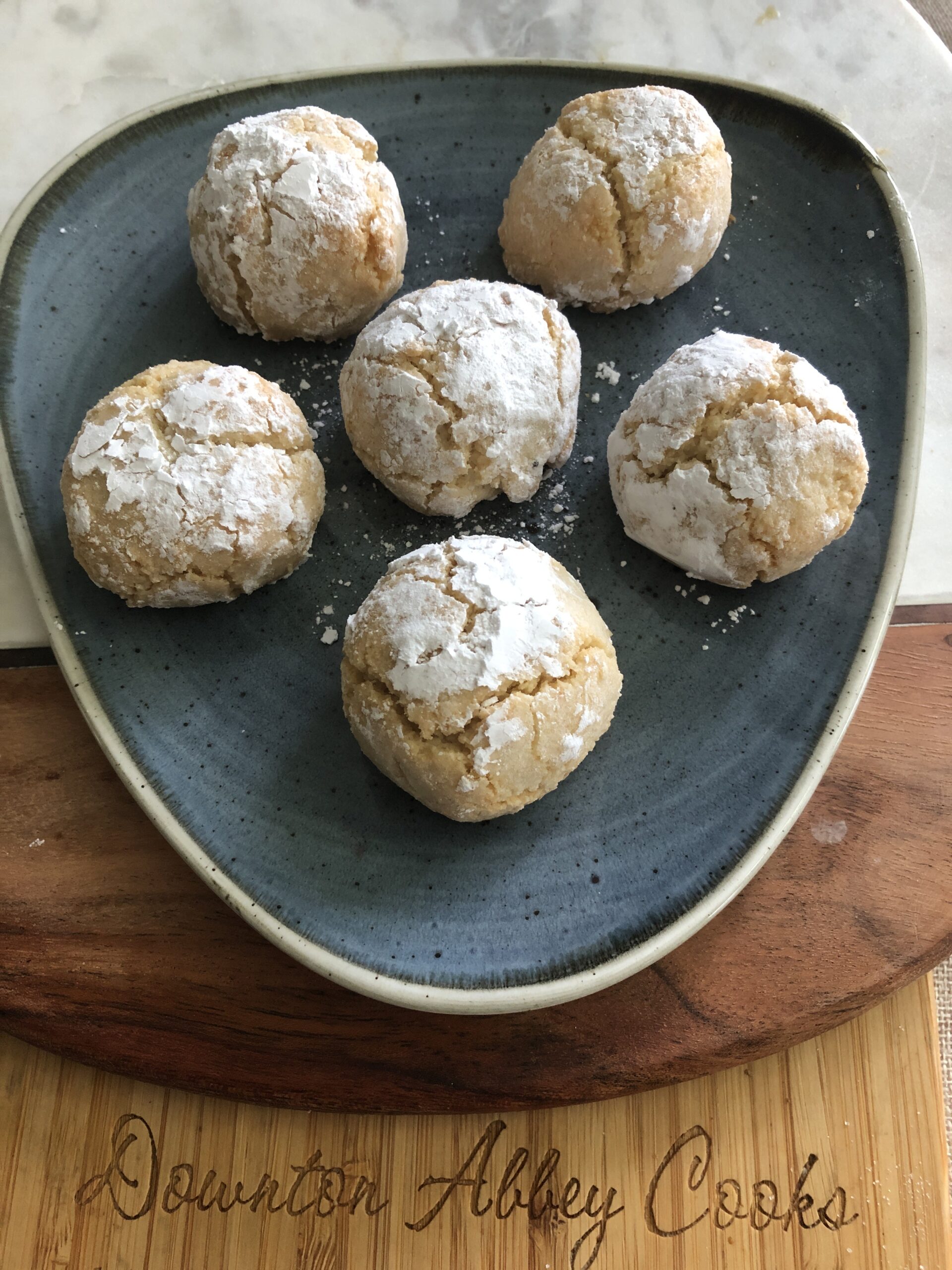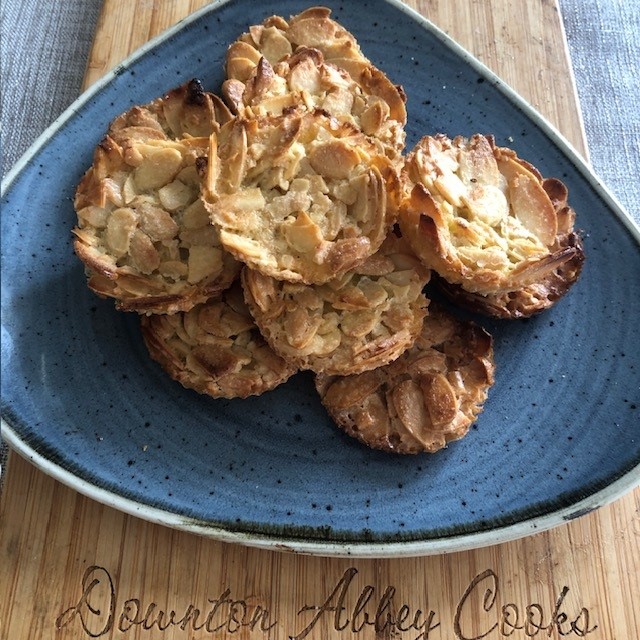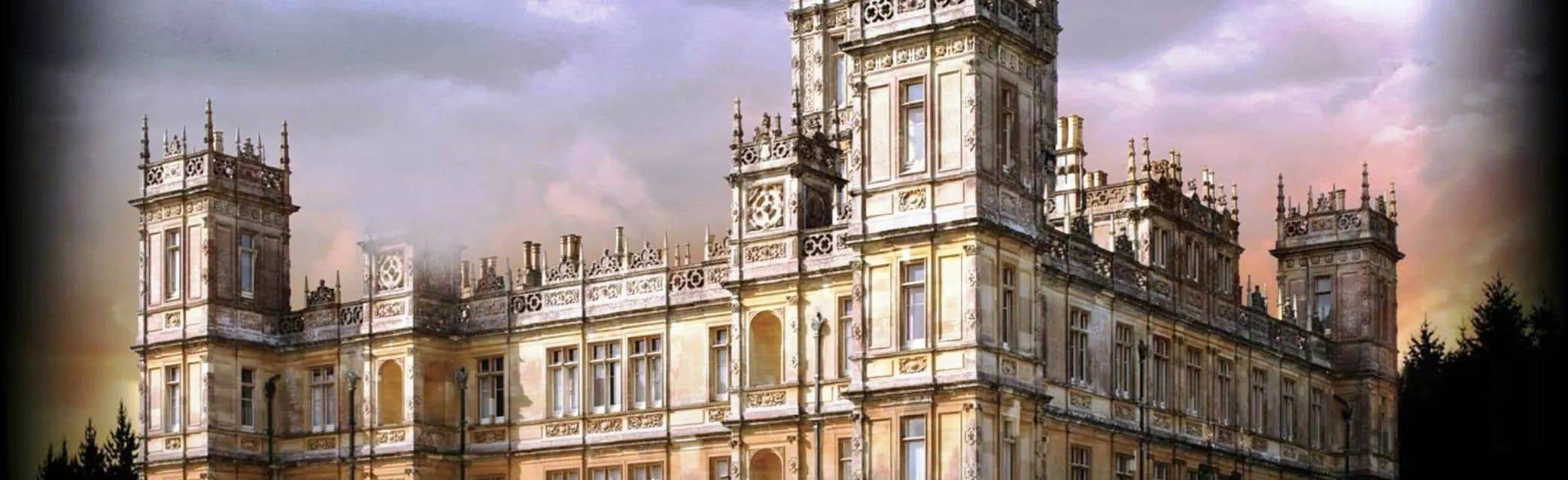
 By mid-December, Downton Abbey Christmas baking would have reached its quiet, purposeful peak. The frantic energy of preparation had passed. The biscuit tins were no longer empty vessels of intention—they were full, sealed, and waiting. The kitchen smelled of butter, spice, and the steady confidence of a cook who understood that Christmas rewards those who plan ahead.
How Mrs Patmore Approached Christmas Baking
In a well-run post-Edwardian household like Downton Abbey, Christmas baking followed a strict schedule. Mrs Patmore would never have left biscuits for the final days before Christmas. British Christmas biscuits were designed to keep, improving with age and demanding only a cool, dry tin and a bit of patience.
The rhythm downstairs was calm but purposeful. By the time the family began discussing holiday guests and dinner menus, the kitchen had already done its work. Biscuits for visitors occupied one tin. Biscuits for the family occupied another. And a few—marked for Christmas Eve—would quietly disappear well before their appointed hour.
Traditional British Biscuits: The Heart of Post-Edwardian Christmas Baking
Four varieties formed the backbone of Downton Abbey Christmas baking, and they remain the most reliable choices for modern holiday kitchens.
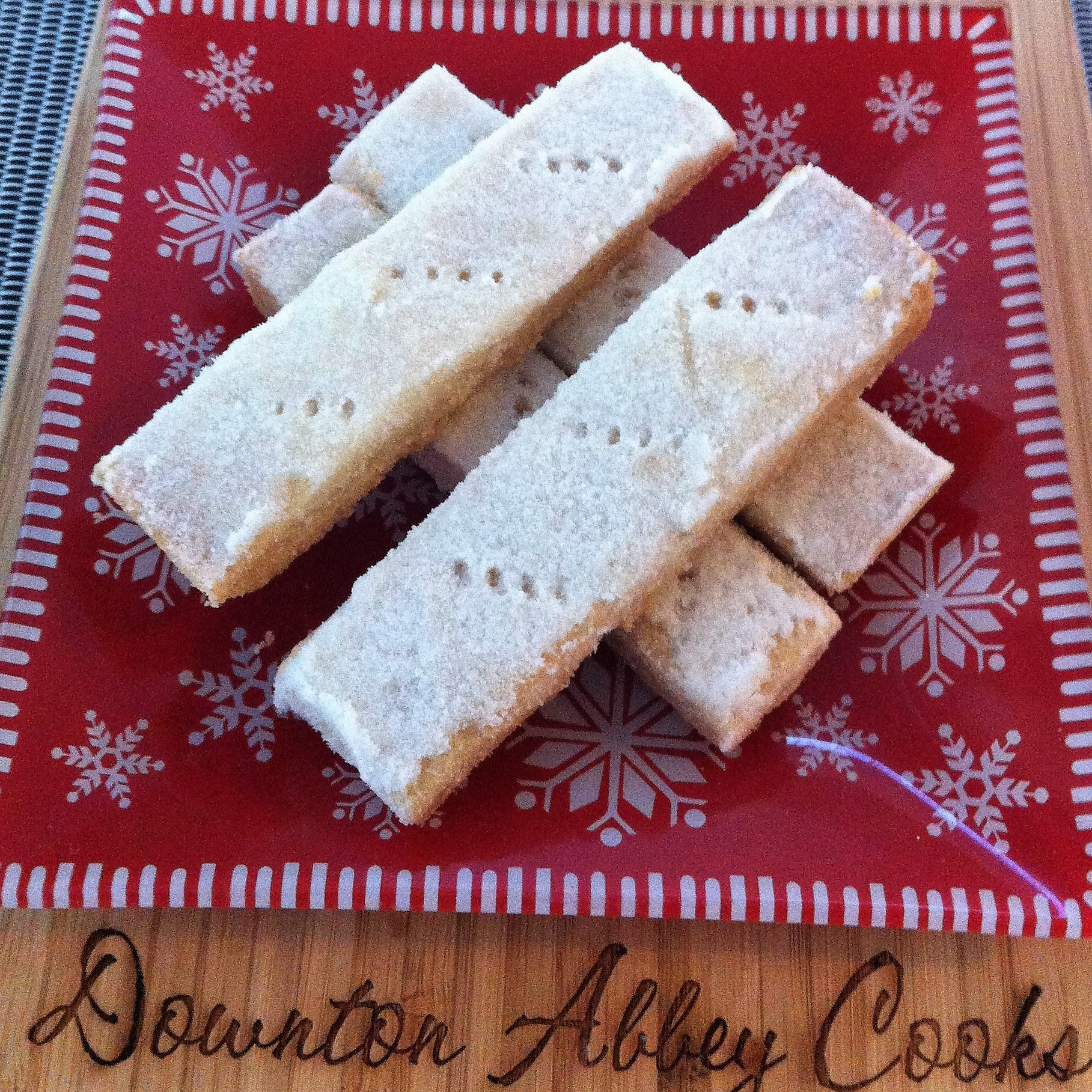
Shortbread was essential to any British Christmas. Rich with butter, simple in form, and famously forgiving, it sliced cleanly, held its shape, and kept beautifully in tins for weeks. Scottish in origin and beloved across Britain, shortbread suited any hour—morning tea, afternoon visitors, or late-night quiet in the servants’ hall. Fortnum & Mason’s Never-Fail Shortbread recipe captures that buttery simplicity and has been tested across thousands of holiday kitchens.
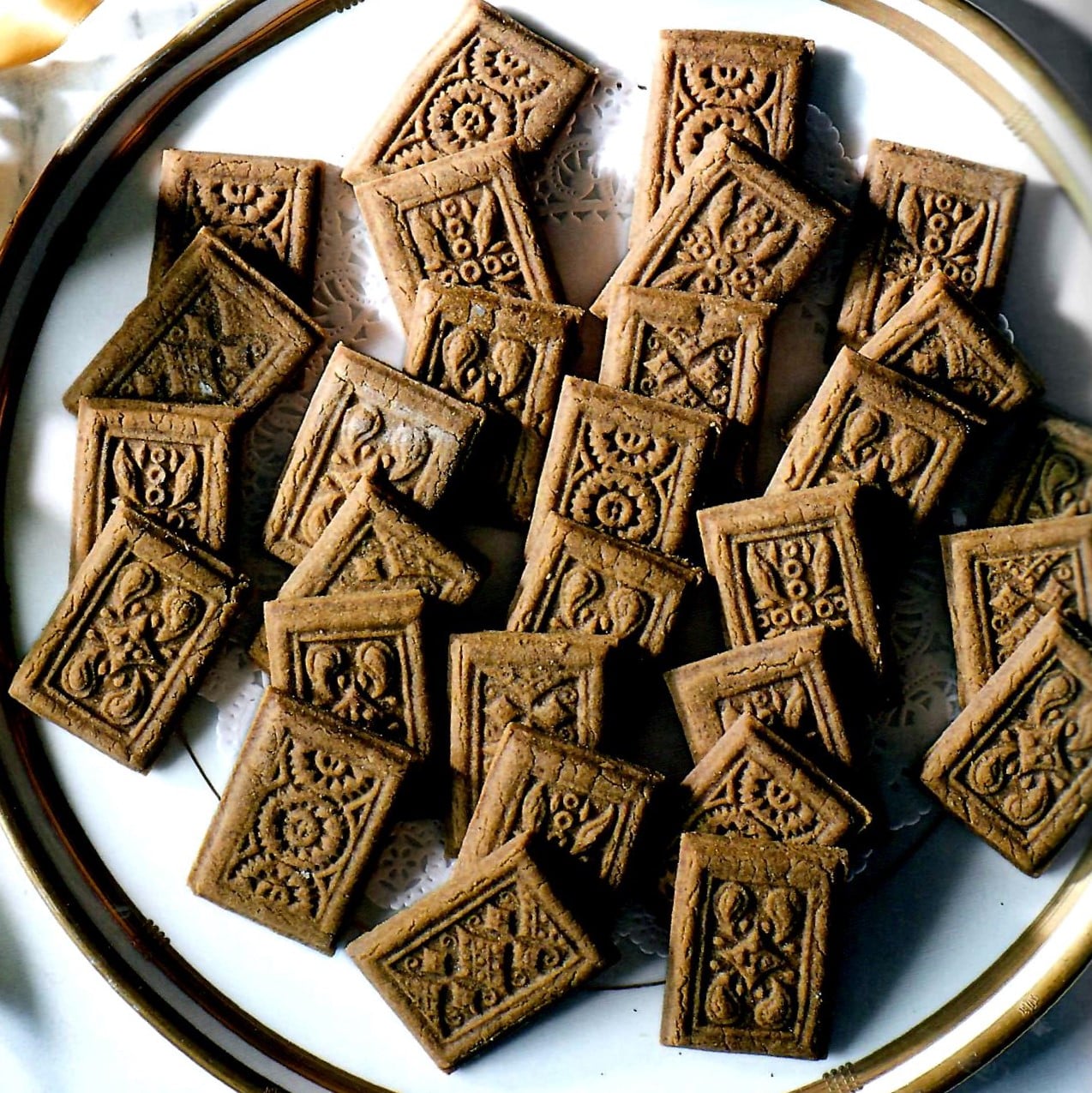
Ginger biscuits brought warmth and spice to the Christmas tin. Sturdy and aromatic, these biscuits actually improved with age—the ginger deepening, the edges softening slightly while maintaining their snap. They were practical biscuits, designed for advanced baking and ideal for dunking into tea on cold December afternoons. Try Downton’s Gingerbread Biscuits for an authentic Edwardian version.
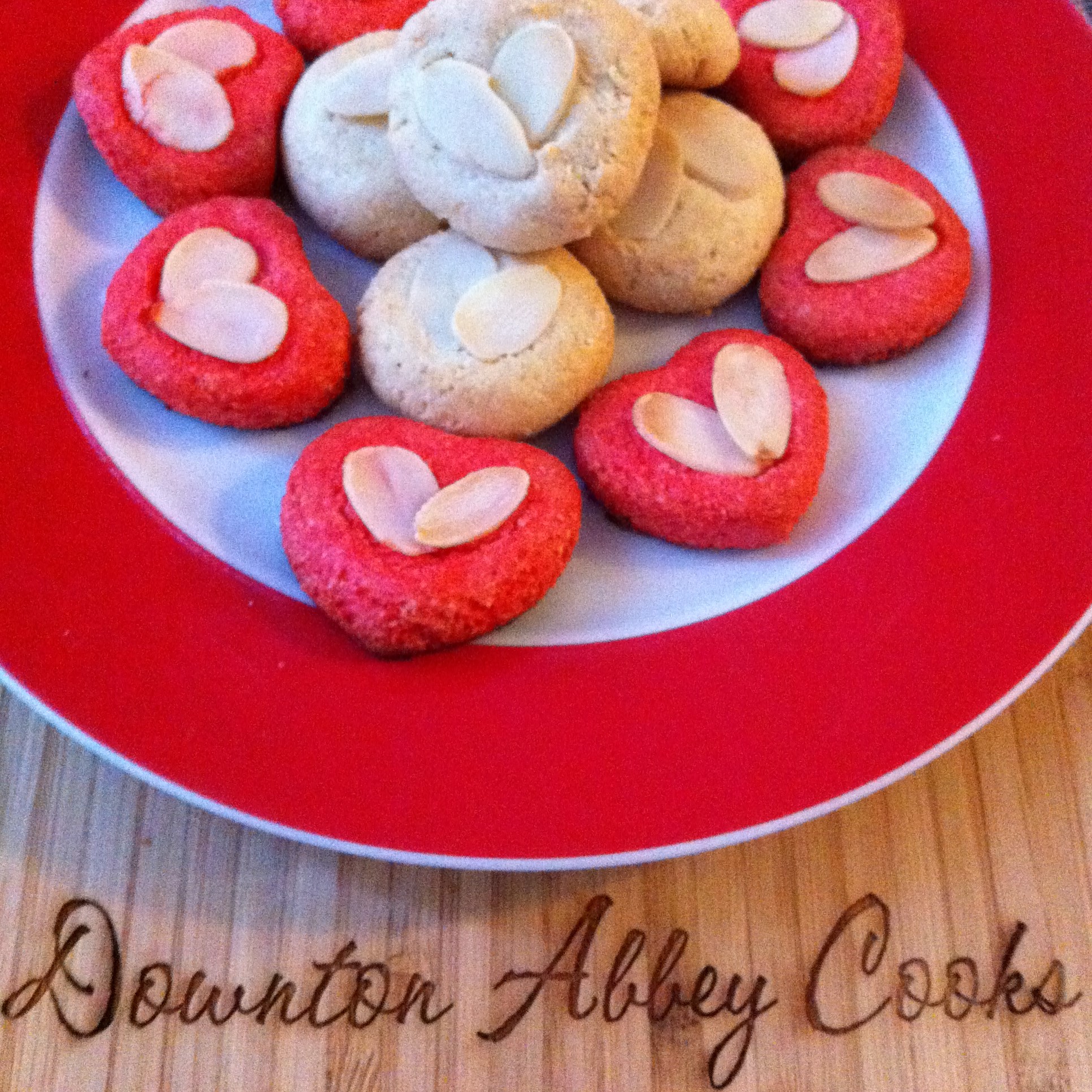
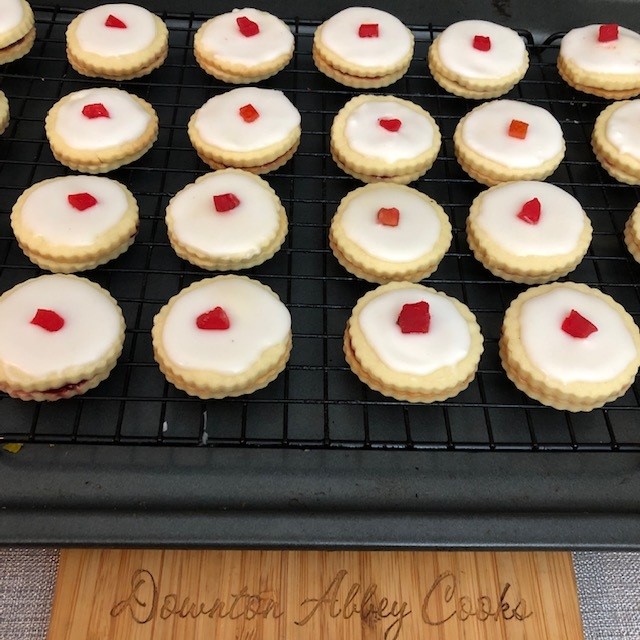 Empire biscuits—two rounds of shortbread sandwiched with jam and topped with icing and a glacé cherry—added a touch of sweetness and colour to the Christmas tin, a Scottish favourite that spread throughout Britain. Try them, you will love Empire Biscuits.
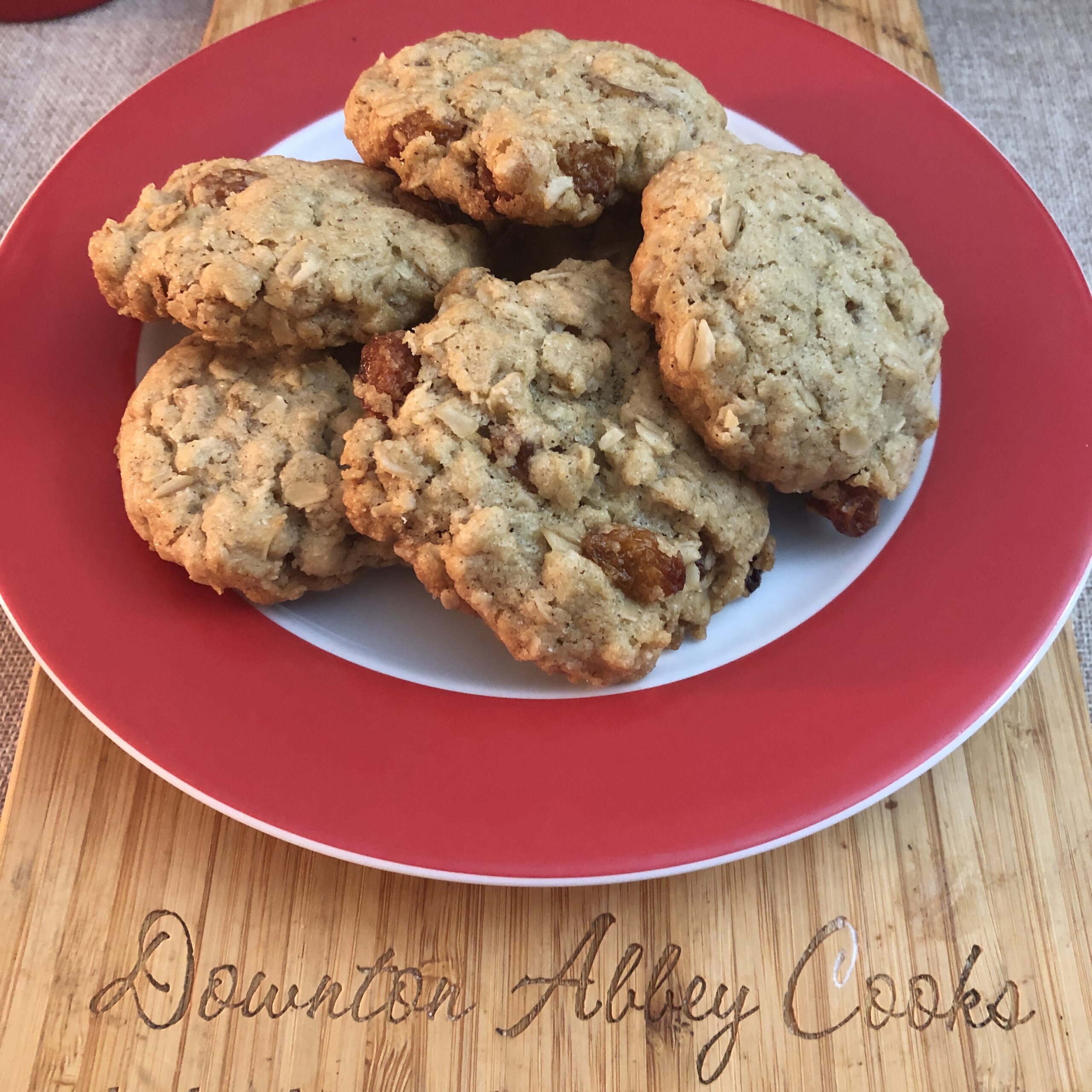
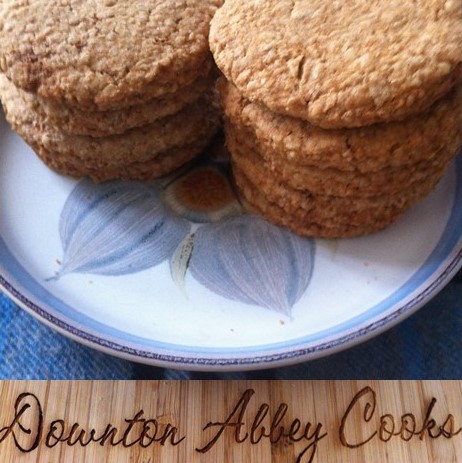
Fruit biscuits, often studded with currants or raisins, added depth and substance without fragility. Less common in North American holiday baking, they were staples of British Christmas tables—somewhere between a biscuit and a small cake, satisfying and transportable. Try these delicious Victorian Girabaldi biscuits.
Of course, British biscuits were part of a wider European tradition. German Lebkuchen, Dutch speculaas, Scandinavian pepparkakor, Italian biscotti—every country had its own version of spiced, sturdy biscuits designed to fill tins and last through the season. Mrs Patmore’s kitchen reflected the British branch of a custom that stretched across the continent.
The Make-Ahead Advantage of Edwardian Baking
What strikes modern bakers about Downton Abbey Christmas baking is its practicality. These were not decorative show pieces requiring last-minute assembly. They were sturdy, dependable biscuits meant to anchor a household through weeks of entertaining and impromptu visitors.
Mrs Patmore understood what every experienced holiday baker learns: the best Christmas biscuits are the ones already made. By the time carolers appeared or cousins arrived unexpectedly, the work was done. A tin could be opened, a plate arranged, and tea served without disrupting the kitchen’s focus on larger concerns.
This make-ahead approach explains why traditional British Christmas biscuits share certain qualities. They hold their texture. They travel well. They taste better—or at least no worse—after several days in a tin. They require no refrigeration, no delicate icings, no anxious last-minute attention.
Bringing Downton Abbey Christmas Baking to Your Kitchen
For modern bakers, the lesson from Downton Abbey Christmas baking is permission to bake early and trust the process. The biscuits that anchor my Christmas every year are not the elaborately decorated cookies that demand attention on December 23rd. They are the shortbread I made the first week of December, the gingerbread biscuits cooling while I decorated the tree.
If you are new to British Christmas baking, start with shortbread. It forgives inexperience, uses ingredients already in your cupboard, and teaches you how butter-rich doughs behave. Once you have shortbread mastered, gingerbread biscuits introduce spice and a slightly different texture. Together, these two biscuits will carry you through any Christmas entertaining with the calm Mrs Patmore would approve of.
The Final Days Before Christmas
As Christmas draws closer, Downton Abbey Christmas baking shifts from production to enjoyment. The tins are full. The work is done. What remains is the small, satisfying ritual of lifting a lid, choosing something familiar, and recognizing that this is part of the celebration—not preparation for it.
The best holiday baking is behind-the-scenes baking. It happens quietly, in advance, with an eye toward reliability rather than novelty. It fills tins that can be opened without ceremony and shared without stress.
Christmas is nearly here. And if your baking is done, that is precisely as it should be.